

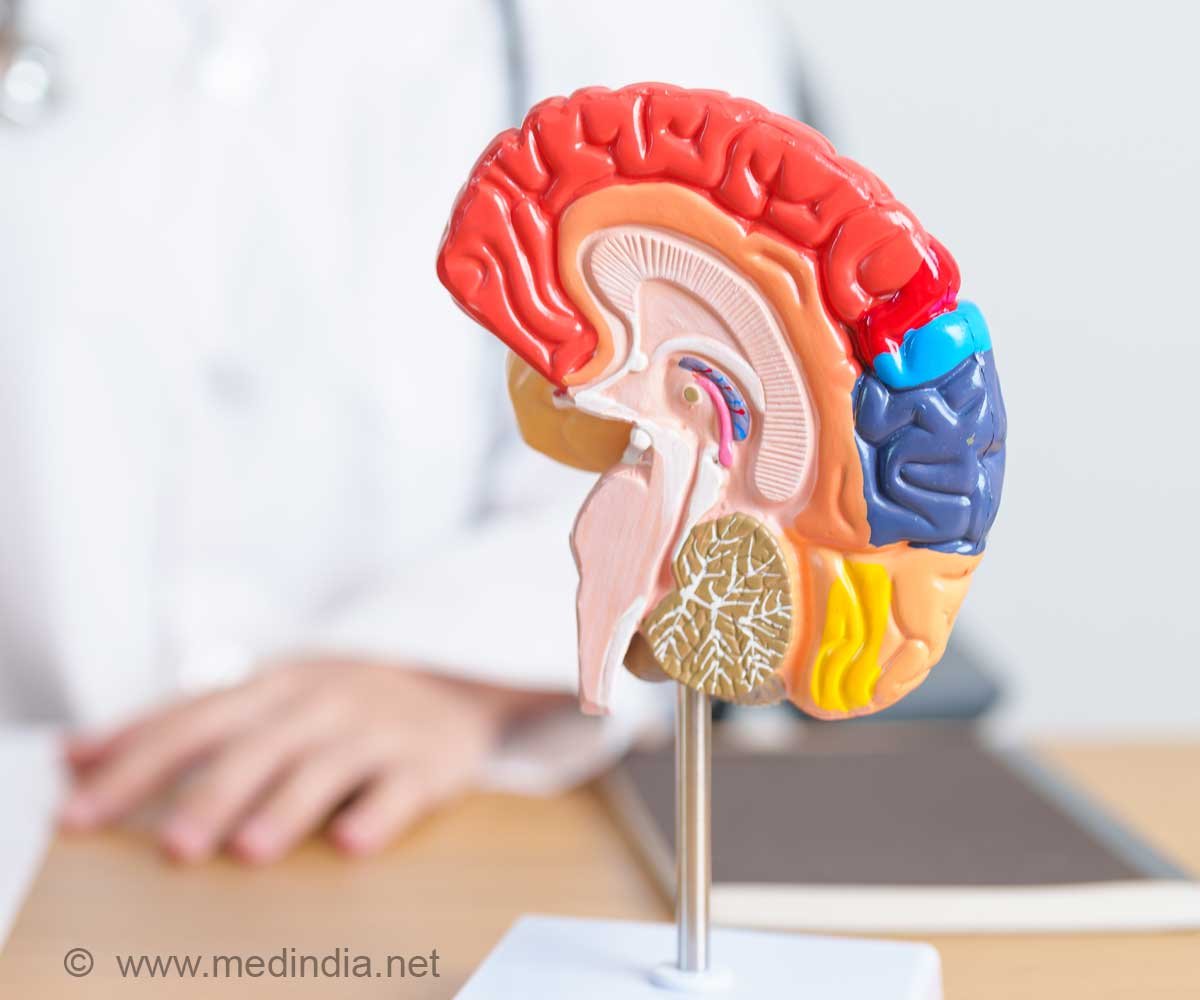
Brain disorders are emerging as a major health challenge in India, but a shortage of neurologists is making timely diagnosis and treatment difficult for millions.

- Brain disorders are rising rapidly across India, increasing the burden on healthcare systems
- A severe neurologist shortage is delaying diagnosis, treatment, and timely patient care
- Experts urge stronger brain health services, specialist training, and improved access to care
Brain disorders are becoming one of India’s fastest-growing health challenges, affecting people of all ages and placing increasing pressure on the healthcare system.
From stroke and epilepsy to Parkinson’s disease, dementia, and multiple sclerosis, neurological conditions are rising as the population ages and lifestyle-related risk factors become more common.
The challenge is not only the growing number of patients but also the shortage of specialists available to care for them.
According to the World Health Organization (WHO), neurological disorders now affect more than 40% of the world’s population—over three billion people—and cause more than 11 million deaths every year (1✔ ✔Trusted Source
11 million lives lost each year: urgent action needed on neurological care
In India, experts warn that limited neurological services and unequal access to specialist care are delaying diagnosis and treatment for millions.
Advertisement
Why Are Brain Disorders Becoming a Major Health Challenge in India?
Neurological disorders are becoming one of the leading causes of illness, disability and death worldwide. According to the WHO report:
- More than 3 billion people worldwide live with a neurological disorder.
- Neurological disorders affect over 40% of the global population.
- They are responsible for more than 11 million deaths every year.
- Major conditions include stroke, migraine, epilepsy, Alzheimer’s disease and other dementias, Parkinson’s disease, diabetic neuropathy, meningitis, and brain cancers.
- Population aging, longer life expectancy, and rising rates of high blood pressure, diabetes, obesity, and air pollution are increasing the burden.
- Many neurological disorders can be prevented or better managed with early diagnosis and timely treatment.
India is also witnessing a sharp rise in neurological diseases. According to the India State-Level Disease Burden Initiative published in The Lancet Global Health (2✔ ✔Trusted Source
The burden of neurological disorders across the states of India: the Global Burden of Disease Study 1990-2019
):
- Non-communicable neurological disorders more than doubled their share of India’s total disease burden between 1990 and 2019.
- Stroke accounted for nearly 38% of all neurological disability-adjusted life years (DALYs), making it the leading neurological disorder in the country.
- Headache disorders (about 18%) and epilepsy (around 11%) were the next largest contributors to neurological disability.
- The disease burden varied widely across states, highlighting the need for state-specific prevention and healthcare planning.
Advertisement
Why Is Access to Neurological Care Still Limited in India?
As neurological disorders continue to rise, India’s specialist workforce has not kept pace. Findings from the WHO Global Status Report on Neurology (2025) and other published studies highlight major gaps in the country’s neurological workforce, healthcare infrastructure, and access to specialist care. The key challenges are summarized below.
Advertisement
Key Challenges in Neurological Care
| Challenge | Key Findings |
|---|---|
| Neurologist shortage | Low-income countries have over 80 times fewer neurologists than high-income countries, limiting timely diagnosis and treatment (WHO). |
| Policy and funding gaps | Only about one-third of countries have a national policy for neurological disorders, 18% have dedicated funding, and just 25% include neurological care under universal health coverage. |
| India’s neurology workforce | India has only 6,000–7,000 neurologists for a population of more than 1.4 billion, with most specialists concentrated in major cities (3✔ ✔Trusted Source How Many Neurologists Are in India? ). |
| Limited access to specialist care | Patients in rural and smaller towns often travel long distances or face delays in receiving neurological diagnoses and treatment. |
| Training and infrastructure | Studies highlight shortages of trained specialists, inadequate infrastructure, limited equipment, and unequal distribution of neurological services, especially outside urban centers (4✔ ✔Trusted Source Advancements and Challenges in Neurosurgical Practice in India: Where Do We Stand? ). |
| Delayed diagnosis and referrals | Late recognition of neurological symptoms can delay treatment and reduce the chances of better outcomes. |
| Stroke, rehabilitation and tele-neurology | Uneven access to stroke care, rehabilitation services, and tele-neurology limits timely care for many patients, particularly in underserved areas. |
| The way forward | Experts recommend expanding neurology training, strengthening primary healthcare, improving rehabilitation services, investing in infrastructure, and scaling up tele-neurology to improve access nationwide. |
Can Tele-Neurology Help Bridge India’s Neurologist Shortage?
Expanding the neurological workforce will take years, but experts believe technology can improve access to specialist care much sooner.
Telemedicine has become an effective way to connect neurologists with patients living in underserved areas (5✔ ✔Trusted Source
Telemedicine and neurosciences
Remote consultations can support diagnosis, follow-up care, and emergency management while reducing unnecessary travel and delays in treatment. The journal notes that making neurological expertise available virtually is often more practical than placing specialists in every rural hospital.
The World Federation of Neurology (WFN) also highlights that strengthening primary healthcare, task-sharing, and tele-neurology can help reduce treatment gaps, particularly in low- and middle-income countries where workforce shortages remain severe (6✔ ✔Trusted Source
At the World Congress of Neurology, WHO Outlines a Global Roadmap to Make Brain Health a Universal Reality
Experts say these approaches should complement specialist services rather than replace them.
What Does WHO Recommend to Improve Brain Health and Neurological Care?
Recognizing the growing burden of neurological disorders, WHO Member States adopted the Intersectoral Global Action Plan (IGAP) on Epilepsy and Other Neurological Disorders in 2022 to strengthen brain health worldwide.
According to the WHO, countries should:
- Make neurological disorders a public health priority.
- Invest in training more neurologists and other specialists.
- Strengthen primary healthcare to improve early diagnosis and referral.
- Expand access to neurological care through universal health coverage.
- Improve rehabilitation services for people living with neurological disorders.
- Strengthen health information systems and disease surveillance.
- Increase investment in neurological research and innovation.
- Involve people living with neurological disorders in healthcare planning and policymaking.
Brain health should extend beyond specialist hospitals and become part of routine community healthcare. Governments, healthcare professionals, and patient groups must work together to reduce inequalities in neurological care.
Frequently Asked Questions
Q: Why are neurological disorders increasing in India?
A: An ageing population, lifestyle-related diseases and longer life expectancy are contributing to the growing burden of neurological disorders.
Q: Which neurological disorders are most common in India?
A: Stroke, headache disorders, epilepsy, dementia, Parkinson’s disease and multiple sclerosis are among the major neurological conditions.
Q: Why is there a shortage of neurologists in India?
A: Limited specialist training, unequal distribution of neurologists and greater concentration of services in urban areas have created a large workforce gap.
Q: How can tele-neurology improve patient care?
A: It allows specialists to consult patients remotely, improving access to diagnosis and follow-up care in underserved areas.
Q: Can neurological disorders be prevented?
A: Some conditions can be prevented or their risk reduced by controlling blood pressure, diabetes, obesity, smoking and other lifestyle-related risk factors.
Q: What is WHO’s recommendation for improving brain health?
A: WHO recommends investing in specialist training, strengthening primary healthcare, expanding neurological services and improving access through universal health coverage.
Q: When is World Brain Day observed?
A: World Brain Day is observed every year on July 22 to raise awareness about brain health and neurological disorders.
References:
- 11 million lives lost each year: urgent action needed on neurological care – (https://www.who.int/news/item/14-10-2025-11-million-lives-lost-each-year-urgent-action-needed-on-neurological-care)
- The burden of neurological disorders across the states of India: the Global Burden of Disease Study 1990–2019 – (https://www.thelancet.com/journals/langlo/article/PIIS2214-109X(21)00164-9/fulltext)
- How Many Neurologists Are in India? – (https://advancestudy.org/how-many-neurologists-are-in-india/)
- Advancements and Challenges in Neurosurgical Practice in India: Where Do We Stand? – (https://www.cureus.com/articles/150517-advancements-and-challenges-in-neurosurgical-practice-in-india-where-do-we-stand#!/)
- Telemedicine and neurosciences – (https://www.ovid.com/jnls/neur/fulltext/10.4103/0028-3886.232346~telemedicine-and-neurosciences)
- At the World Congress of Neurology, WHO Outlines a Global Roadmap to Make Brain Health a Universal Reality – (https://wfneurology.org/activities/news-events/archived-news/2025-10-15-wcn2025-who-global-status-report-on-neurology)
Source-Medindia