

India’s installed non-fossil fuel power capacity currently stands at 297 GW and accounts for more than half of the country’s total installed electricity capacity. The government aims to increase this to 500 GW by 2030.
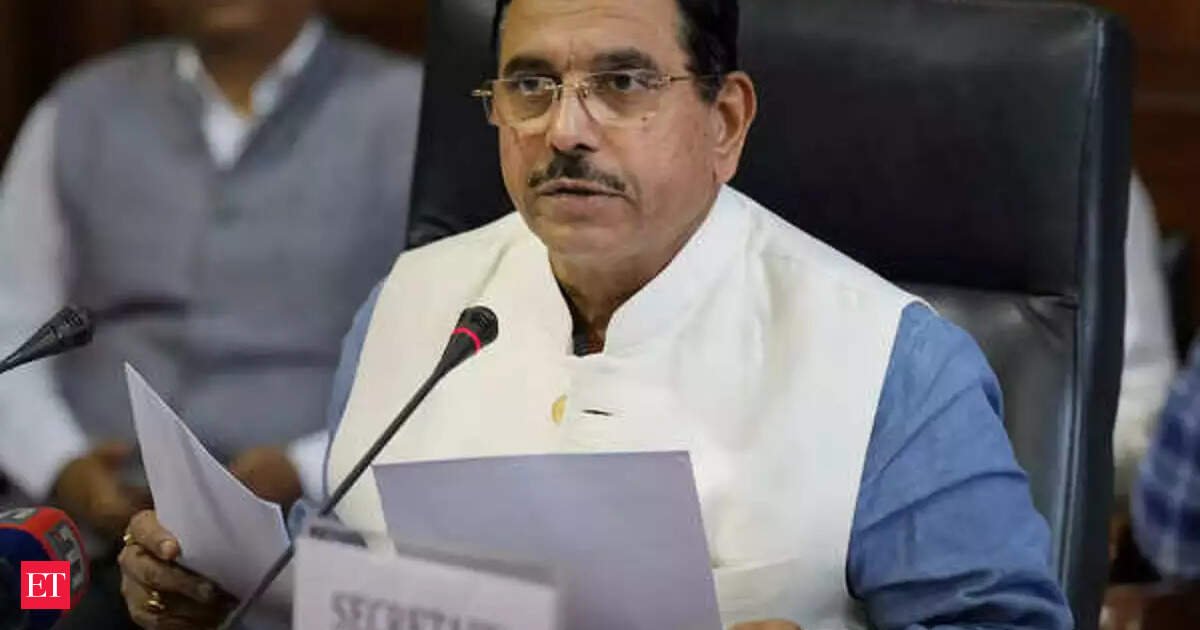
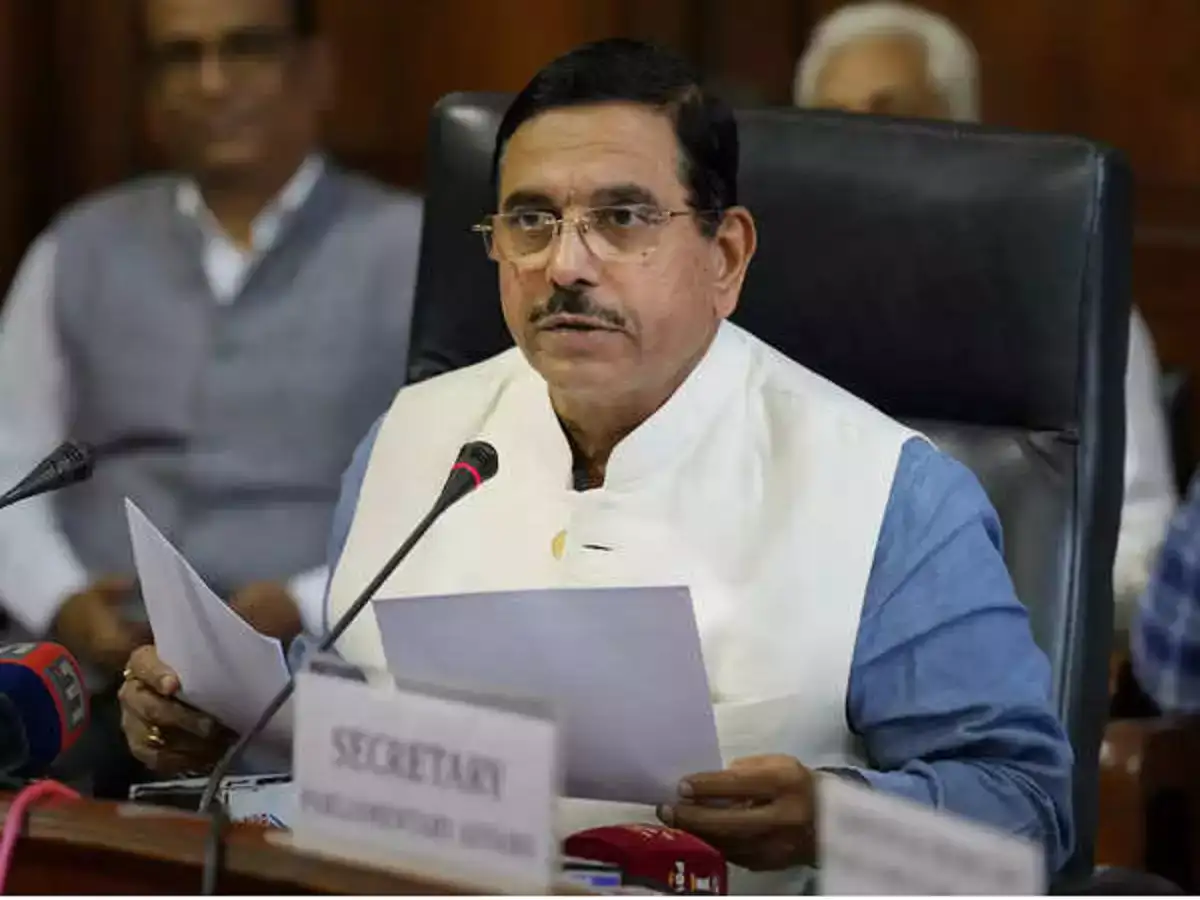
Joshi was speaking at the curtain-raiser for the Bharat Renewable Energy Summit & Expo 2026, scheduled to be held in November. The annual event, organised by the ministry of new and renewable energy, will bring together representatives from states, policymakers and delegates from 34 countries, among others.
It will also bring together renewable energy developers, technology providers, equipment manufacturers, battery storage companies and green hydrogen firms. The government has maintained that expanding clean energy capacity remains central to India’s long-term energy security and climate goals, including its commitment to achieve net-zero emissions by 2070.
Renewable energy secretary Santosh Kumar Sarangi said the next phase of the energy transition will focus on strengthening the power system through hybrid renewable energy projects, battery energy storage systems, floating solar, agrivoltaics and the National Green Hydrogen Mission. Sarangi said the electricity sector will enter a new phase of growth, driven by data centres, electric vehicles, connected technologies and smart manufacturing.