

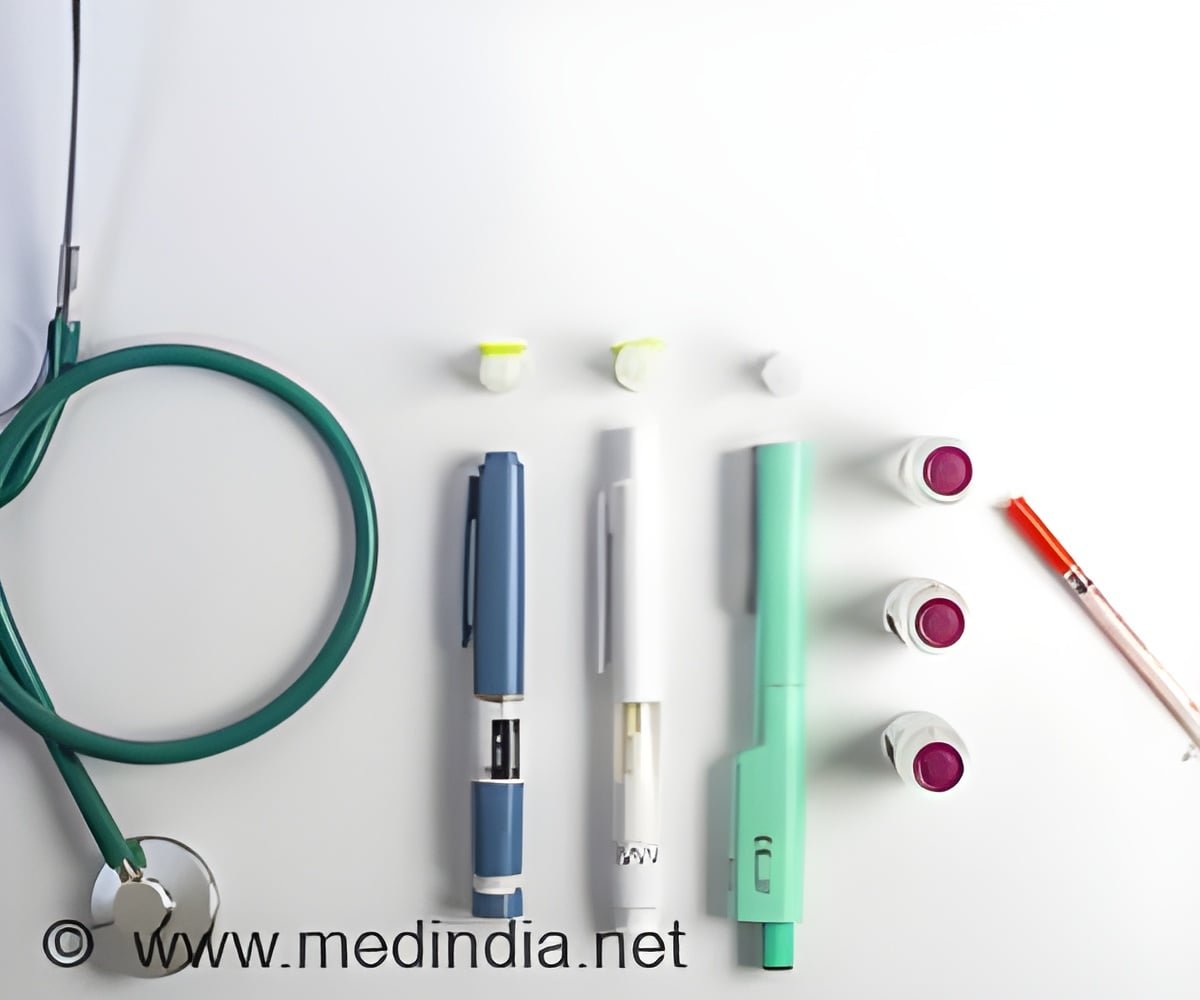
GLP-1 drug use has risen sharply in the United States, bringing renewed attention to the long-term costs of these therapies.

The use of glucagon-like peptide-1 receptor agonists (GLP-1s) has grown substantially in the United States in recent years. Researchers found that this increase has been accompanied by markedly higher healthcare spending, raising questions about the long-term affordability of these therapies for patients and healthcare systems (1✔ ✔Trusted Source
Trends in Usage and Payments for Glucagon-Like Peptide-1 Receptor Agonists in the United States, 2017 to 2022: A Nationally Representative Repeated Cross-Sectional Study
).
A nationally representative study reported that use of GLP-1 medications among adults without diabetes increased by 643% between 2017 and 2022. During the same period, average total payments per user rose by 157%, highlighting the financial implications associated with expanding use of these drugs.
Advertisement
GLP-1 Use and Spending Continue to Increase
The study, “Trends in Utilization and Payments for Glucagon-Like Peptide 1 Receptor Agonists in the United States, 2017-2022: A Nationally Representative Repeated Cross-Sectional Study,” examined national trends in the use and payments associated with GLP-1 receptor agonists.
Advertisement
What Are the Long-Term Affordability Concerns?
Researchers noted that the continued growth in GLP-1 use may have important implications for healthcare spending. As more individuals receive these therapies over extended periods, questions remain regarding who will bear the associated costs, including patients, employers, insurers, and taxpayers.
Advertisement
Why Do GLP-1 Costs Matter?
The findings highlight the need to better understand the economic impact of GLP-1 therapies as their use expands beyond traditional indications and into broader populations.
Study Highlights Growing Interest in GLP-1 Therapies
The authors emphasized that evaluating both the clinical and financial dimensions of GLP-1 receptor agonists will be important as healthcare systems adapt to increasing demand for these medications.
Reference:
- Trends in Usage and Payments for Glucagon‐Like Peptide‐1 Receptor Agonists in the United States, 2017 to 2022: A Nationally Representative Repeated Cross‐Sectional Study – (https://www.ahajournals.org/doi/10.1161/JAHA.125.046302)
Source-Medindia