

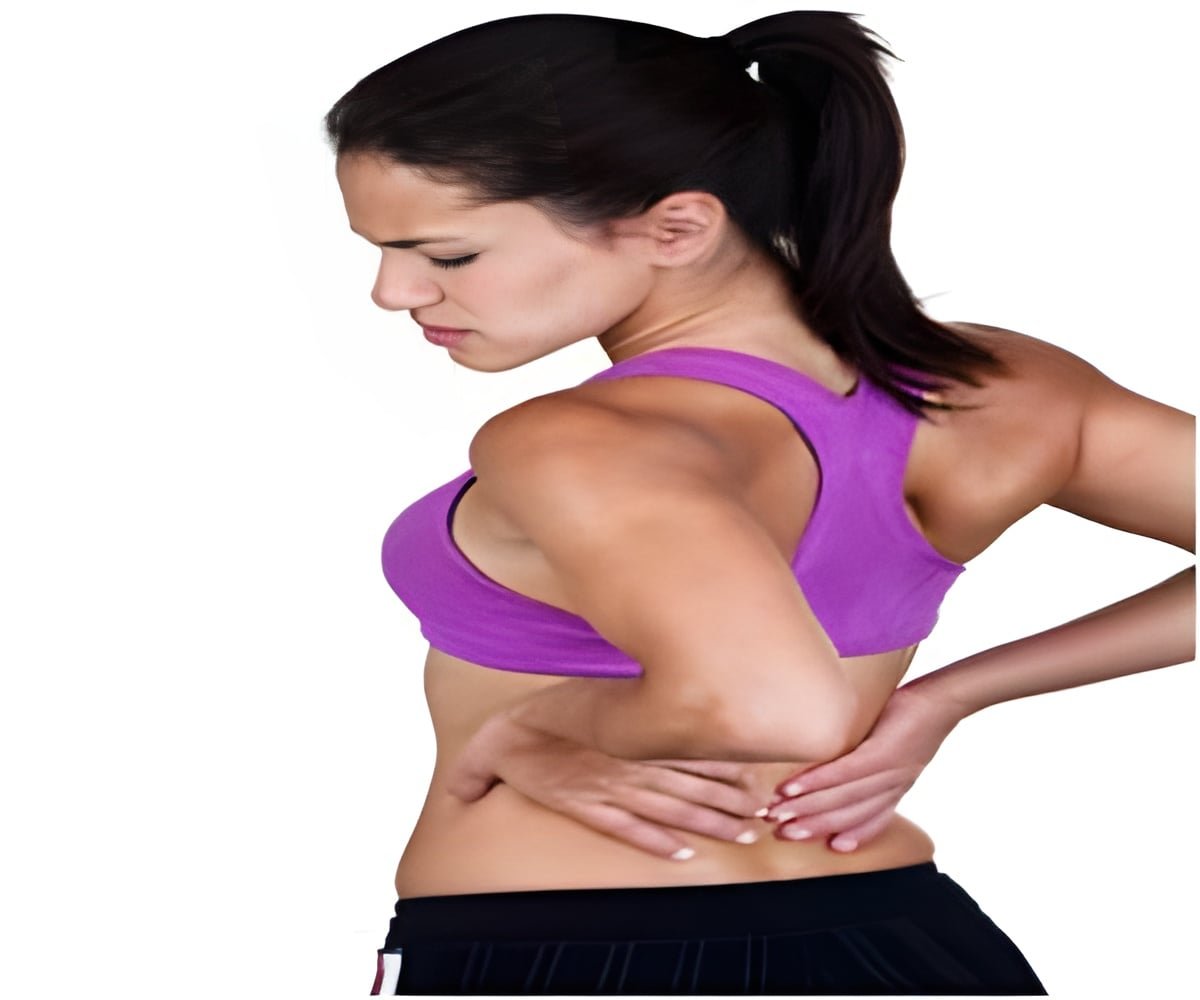
Women’s lower back pain evolves through life, with each stage presenting its own hormonal and physical challenges.
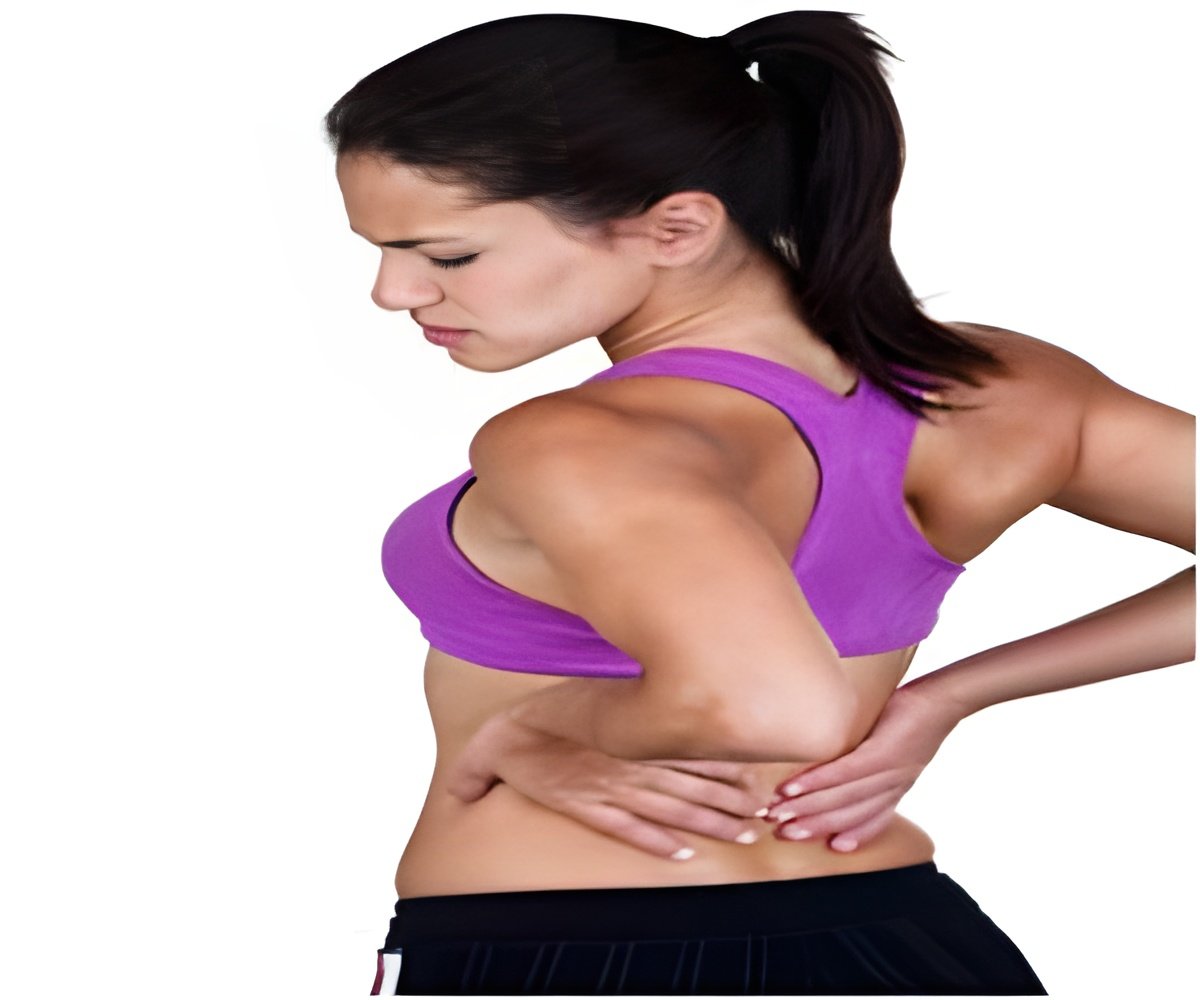
- Women’s back pain is influenced by hormonal, anatomical, and lifestyle changes across every life stage
- Pregnancy, perimenopause, and menopause each bring unique factors that can affect lower back health
- Early attention to posture, physical activity, and muscle strength may support lifelong back health
Lower back pain is one of the most common musculoskeletal complaints worldwide, but its causes are not the same for every woman (1✔ ✔Trusted Source
Lower back pain in women across life stages: Insights from adolescence to menopause
).
The reasons for lower back pain in women often change from adolescence to menopause as hormones, anatomy, and lifestyle evolve.
A review published in the Adesh University Journal of Medical Sciences & Research highlights how hormonal shifts, physical changes, and daily habits interact across different life stages to influence lower back pain. Studies also show that menopause can affect muscles, joints, and bones alongside the spine.
Women experience a disproportionate burden of lower back pain, with estimates suggesting that 50% to 80% are affected during different stages of life. Pregnancy-related lower back pain affects up to half of pregnant women, while untreated pain in earlier years may continue into adulthood.
As the authors note, “A life-course perspective is essential in understanding lower back pain, as symptoms often begin in adolescence and evolve over time.”
Advertisement
Lower Back Pain During Adolescence: Growth Meets Lifestyle
Rapid growth during puberty can place extra demands on the developing spine before muscles and ligaments fully adapt.
- Growth spurts may temporarily increase spinal stress.
- Poor posture, prolonged sitting, and excessive screen time can contribute to muscle imbalance.
- Heavy school bags and classroom sitting habits may further strain the lower back.
- Early prevention through posture awareness and physical activity may help reduce long-term problems.
A teenager spending long hours studying at a desk or carrying a heavy backpack every day may not realize these everyday habits can influence back health.
Advertisement
Reproductive Age: Hormones, Pregnancy, and Daily Demands
During the reproductive years, estrogen, progesterone, and pregnancy-related changes affect the musculoskeletal system in different ways.
- Hormonal fluctuations can influence ligament stability.
- Pregnancy shifts the body’s centre of gravity and increases spinal strain.
- Relaxin loosens ligaments, increasing joint flexibility but also instability.
- Childcare, prolonged standing, lifting, poor sleep, and demanding work schedules may worsen lower back pain.
Someone balancing office work, household responsibilities, and caring for a young child may experience several of these contributing factors at the same time.
Advertisement
Perimenopause: A Transitional Stage for Back Health
Perimenopause marks a period of hormonal fluctuation before menopause, when musculoskeletal changes may gradually become more noticeable.
- Fluctuating estrogen levels may affect muscles and connective tissues.
- Reduced muscle strength can lessen support for the lower back.
- Lifestyle factors such as reduced physical activity and weight changes may add to spinal stress.
- Persistent discomfort may become more common during this transition.
Lower back pain often reflects the combined effects of changing hormones, body mechanics, and everyday activities rather than a single cause (2✔ ✔Trusted Source
Musculoskeletal Disorders and Menopause
).
Menopause Back Pain: When Bones, Muscles, and Joints Change Together
Supporting evidence indicates that declining estrogen affects much more than bone density.
- Estrogen deficiency is linked to osteoporosis, osteoarthritis, and sarcopenia.
- Loss of muscle mass and strength may reduce spinal support.
- Degenerative spinal changes and vertebral fractures become more likely with age.
- Weight-bearing exercise, resistance training, adequate calcium, vitamin D, and healthy lifestyle habits support musculoskeletal health.
Rather than simply viewing menopause as a reproductive milestone, researchers are beginning to understand it as a stage that influences the entire musculoskeletal system.
Living through different life stages brings unique physical demands, and recognizing these patterns may encourage earlier attention to posture, physical activity, and bone and muscle health before pain becomes persistent.
The findings reinforce the value of stage-specific approaches to preventing and managing lower back pain. As awareness about women’s musculoskeletal health continues to grow, tailoring advice to different phases of life may help improve mobility and quality of life.
Taking care of your back begins with understanding how your body changes over time. Small, consistent habits that support strength, posture, and movement can make a meaningful difference at every stage of life.
Frequently Asked Questions
Q: What causes lower back pain in women at different life stages?
A: Lower back pain can result from a combination of hormonal changes, anatomical differences, posture, physical activity, pregnancy, ageing, and lifestyle factors.
Q: Why is lower back pain common during pregnancy?
A: Weight gain, a shifting centre of gravity, postural changes, and the hormone relaxin increase stress on the lower back and ligaments.
Q: Can menopause increase the risk of lower back pain?
A: Yes. Declining estrogen is associated with bone loss, muscle loss, osteoarthritis, and degenerative spinal changes that may contribute to persistent lower back pain.
Q: How can adolescents reduce the risk of lower back pain?
A: Maintaining good posture, staying physically active, strengthening core muscles, limiting prolonged sitting, and using backpacks correctly may help reduce risk.
Q: What lifestyle habits support back health throughout life?
A: Regular exercise, weight management, ergonomic posture, stress management, and maintaining healthy bones and muscles are recommended across different life stages.
References:
- Lower back pain in women across life stages: Insights from adolescence to menopause – (https://aujmsr.com/lower-back-pain-in-women-across-life-stages-insights-from-adolescence-to-menopause/)
- Musculoskeletal Disorders and Menopause – (https://pmc.ncbi.nlm.nih.gov/articles/PMC6430266/)
Source-Medindia