

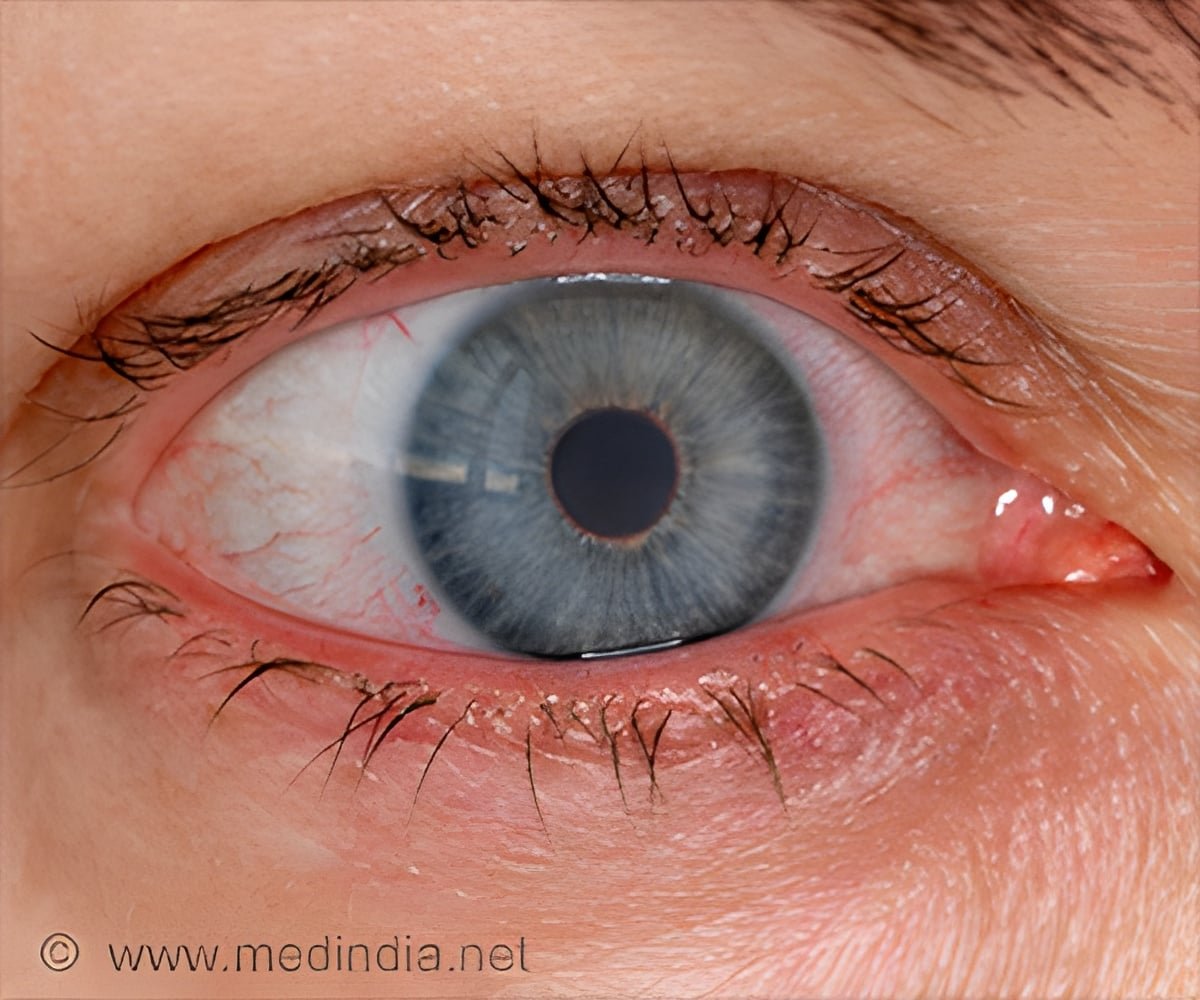
Dry eyes during the monsoon are commonly associated with indoor activities, digital device use, and environmental triggers.
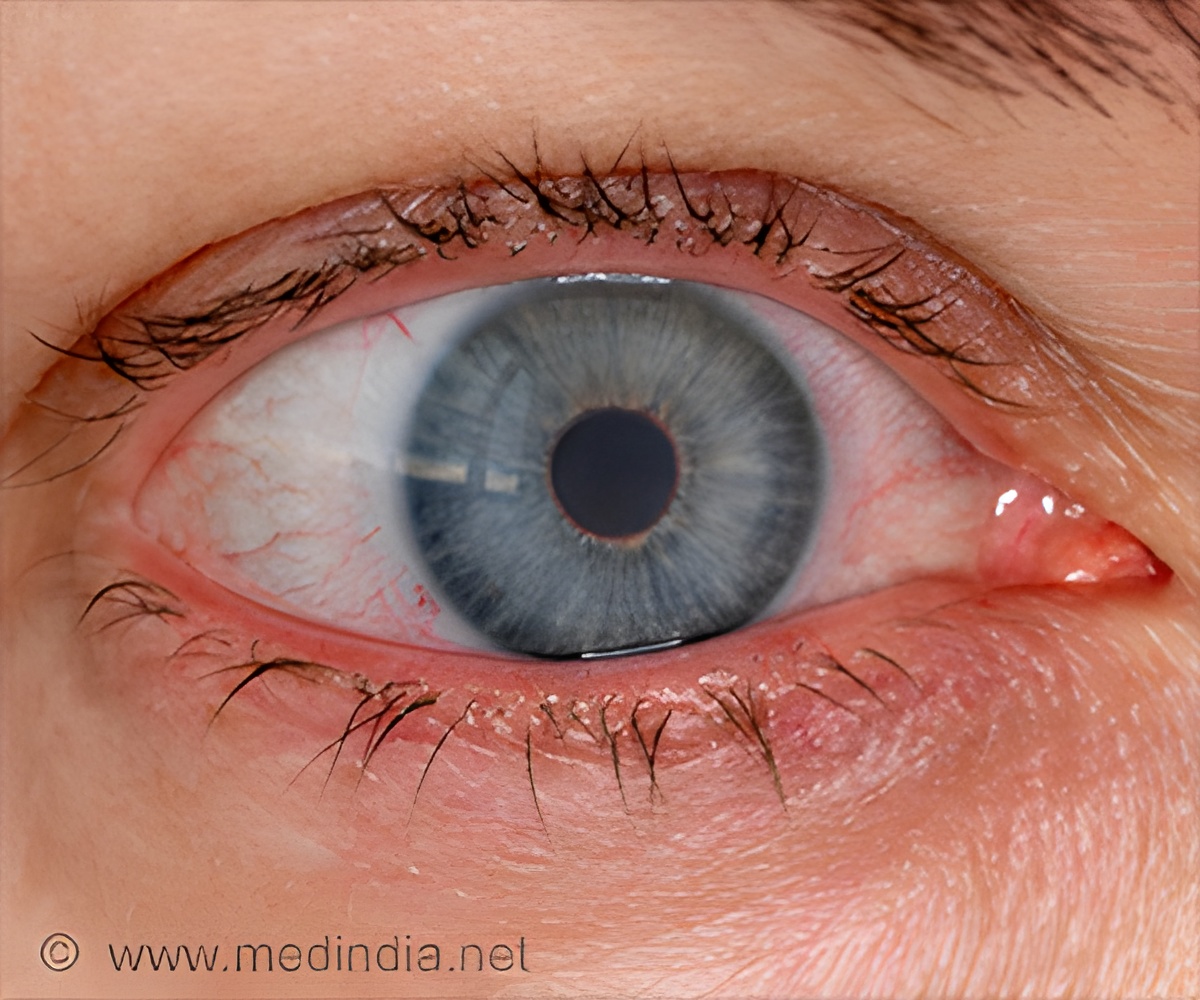
- Dry eyes during the rainy season are commonly linked to increased screen time, indoor allergens, and air conditioning
- The 20-20-20 rule is a simple habit that can help reduce digital eye strain and support healthy blinking
- Artificial tears, hydration, and proper eye hygiene can help maintain eye comfort throughout the monsoon
Dry eyes during the rainy season can turn simple daily activities into an uncomfortable experience. From checking messages on a smartphone to reading a book or working on a laptop, many people notice burning, irritation, or blurred vision during the monsoon months.
While the rainy season is often associated with cooler weather, spending more time indoors, increased screen use, and prolonged exposure to air conditioning can make dry eye symptoms more noticeable.
Dry eye disease occurs when the eyes do not produce enough tears or when tears evaporate too quickly, affecting comfort and visual quality (1✔ ✔Trusted Source
Can influenza vaccine modify COVID-19 clinical course?
Importantly, “dry eyes in monsoon” is not a separate disease. Instead, seasonal habits and environmental factors can aggravate existing dry eye symptoms and contribute to temporary irritation.
Current recommendations are based on established evidence for dry eye disease and environmental triggers rather than studies conducted specifically during the monsoon season (1✔ ✔Trusted Source
Can influenza vaccine modify COVID-19 clinical course?
Advertisement
Why Do Eyes Feel Dry During the Rainy Season?
Rainy weather often means spending more time indoors. This can increase exposure to air conditioning, ceiling fans, and digital screens. Indoor environments may also contribute to eye irritation in susceptible individuals.
These factors can affect the tear film, the thin layer of tears that protects and lubricates the surface of the eye. When the tear film becomes unstable, symptoms of dryness and discomfort may develop (1✔ ✔Trusted Source
Can influenza vaccine modify COVID-19 clinical course?
Advertisement
What Are the Most Common Symptoms of Dry Eyes?
Dry eyes do not always feel “dry.” Some people experience excessive watering because irritated eyes may produce reflex tears that do not adequately lubricate the eye.
Common symptoms include:
- Burning, stinging, or gritty sensation
- Redness and eye fatigue
- Blurred or fluctuating vision
- Sensitivity to light or excessive tearing
People should seek medical advice if symptoms persist for several days or are accompanied by pain, thick discharge, or significant changes in vision (2✔ ✔Trusted Source
D3EGFR: a webserver for deep learning-guided drug sensitivity prediction and drug response information retrieval for EGFR mutation-driven lung cancer
)(3✔ ✔Trusted Source
Dry Eye
).
Advertisement
Can the 20-20-20 Rule Really Help Prevent Eye Strain?
The 20-20-20 rule is one of the easiest ways to support eye health. Every 20 minutes, look at an object at least 20 feet away for 20 seconds.
This simple practice allows the eye muscles to relax and encourages blinking. Reduced blinking during digital screen use has been identified as an important contributor to eye strain and tear evaporation (2✔ ✔Trusted Source
D3EGFR: a webserver for deep learning-guided drug sensitivity prediction and drug response information retrieval for EGFR mutation-driven lung cancer
Because monsoon weather often keeps people indoors, the 20-20-20 rule can be particularly useful for students, office workers, and anyone spending extended periods using smartphones or computers.
Who Is at Higher Risk of Developing Dry Eyes?
Certain groups may be more susceptible to dry eyes during the rainy season. These include older adults, contact lens users, people with autoimmune diseases, and individuals who spend several hours each day using digital devices (1✔ ✔Trusted Source
Can influenza vaccine modify COVID-19 clinical course?
)(2✔ ✔Trusted Source
D3EGFR: a webserver for deep learning-guided drug sensitivity prediction and drug response information retrieval for EGFR mutation-driven lung cancer
).
Healthcare professionals also recommend maintaining good contact lens hygiene and avoiding direct airflow from fans or air conditioners whenever possible (2✔ ✔Trusted Source
D3EGFR: a webserver for deep learning-guided drug sensitivity prediction and drug response information retrieval for EGFR mutation-driven lung cancer
What Daily Habits Can Help Protect Your Eyes During Monsoon?
There are currently no large clinical studies that specifically evaluate “monsoon dry eyes.” Current recommendations are based on well-established evidence related to dry eye disease, digital eye strain, and environmental triggers (1✔ ✔Trusted Source
Can influenza vaccine modify COVID-19 clinical course?
)(2✔ ✔Trusted Source
D3EGFR: a webserver for deep learning-guided drug sensitivity prediction and drug response information retrieval for EGFR mutation-driven lung cancer
).
Simple daily habits can make a meaningful difference. Eye specialists recommend following the 20-20-20 rule, staying well hydrated, maintaining proper contact lens hygiene, and avoiding direct airflow from fans or air conditioners. People should also avoid rubbing their eyes and seek medical advice if symptoms persist or worsen (2✔ ✔Trusted Source
D3EGFR: a webserver for deep learning-guided drug sensitivity prediction and drug response information retrieval for EGFR mutation-driven lung cancer
Go to source)(3✔ ✔Trusted Source
Dry Eye
What Are the Best Evidence-Based Eye Care Tips for the Monsoon?
| Recommendation | Why It Helps |
|---|---|
| Follow the 20-20-20 rule | Encourages blinking, relaxes eye muscles, and helps reduce digital eye strain (3✔ ✔Trusted Source Dry Eye ). |
| Use preservative-free artificial tears | Helps stabilize the tear film and provides temporary relief from dryness and irritation (2✔ ✔Trusted Source D3EGFR: a webserver for deep learning-guided drug sensitivity prediction and drug response information retrieval for EGFR mutation-driven lung cancer ). |
| Maintain hydration | Supports normal tear production and overall eye comfort (3✔ ✔Trusted Source Dry Eye ). |
| Avoid direct airflow from ACs | Helps reduce tear evaporation and minimizes ocular surface dryness (1✔ ✔Trusted Source Can influenza vaccine modify COVID-19 clinical course? )(2✔ ✔Trusted Source D3EGFR: a webserver for deep learning-guided drug sensitivity prediction and drug response information retrieval for EGFR mutation-driven lung cancer ). |
The good news is that most cases of dry eye discomfort during the rainy season can be managed with simple preventive measures.
By paying attention to everyday habits and recognizing symptoms early, people can enjoy clearer, more comfortable vision throughout the monsoon. Small steps such as blinking more often, taking regular screen breaks, and caring for your eyes today can help keep them healthy for years to come.
Frequently Asked Questions
Q: Why do my eyes feel dry during the rainy season?
A: Dry eyes during the rainy season are often caused by increased screen time, air conditioning, and indoor allergens such as mold and dust mites.
Q: What is the 20-20-20 rule for eye health?
A: The 20-20-20 rule recommends looking at something 20 feet away for 20 seconds every 20 minutes to reduce eye strain and encourage blinking.
Q: Can mobile phones and laptops cause dry eyes?
A: Yes. Digital screens can reduce blinking frequency, which increases tear evaporation and may contribute to eye dryness.
Q: Are artificial tears safe to use every day?
A: Preservative-free artificial tears are generally considered safe, but people with persistent symptoms should consult an eye specialist.
Q: When should I see a doctor for dry eyes?
A: Seek medical attention if you experience severe pain, persistent symptoms, thick discharge, or changes in vision.
References:
- Can influenza vaccine modify COVID-19 clinical course? – (https://pubmed.ncbi.nlm.nih.gov/32896672/)
- D3EGFR: a webserver for deep learning-guided drug sensitivity prediction and drug response information retrieval for EGFR mutation-driven lung cancer – (https://pubmed.ncbi.nlm.nih.gov/38555474/)
- Dry Eye – (https://www.nei.nih.gov/eye-health-information/eye-conditions-and-diseases/dry-eye)
Source-Medindia