

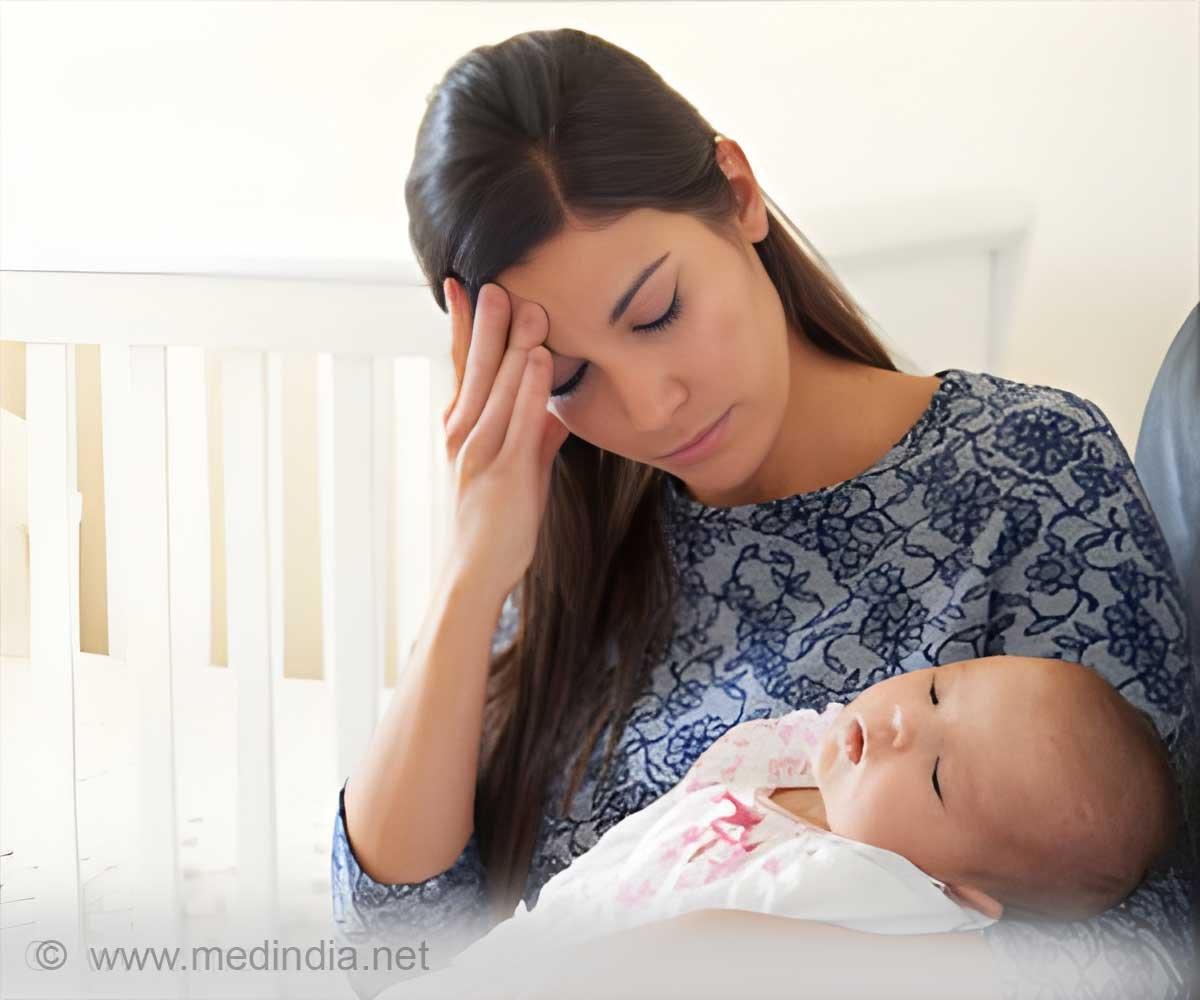
Postpartum psychosis can emerge rapidly after childbirth, but warning signs may be missed. New evidence highlights gaps in screening, diagnosis and access to care.
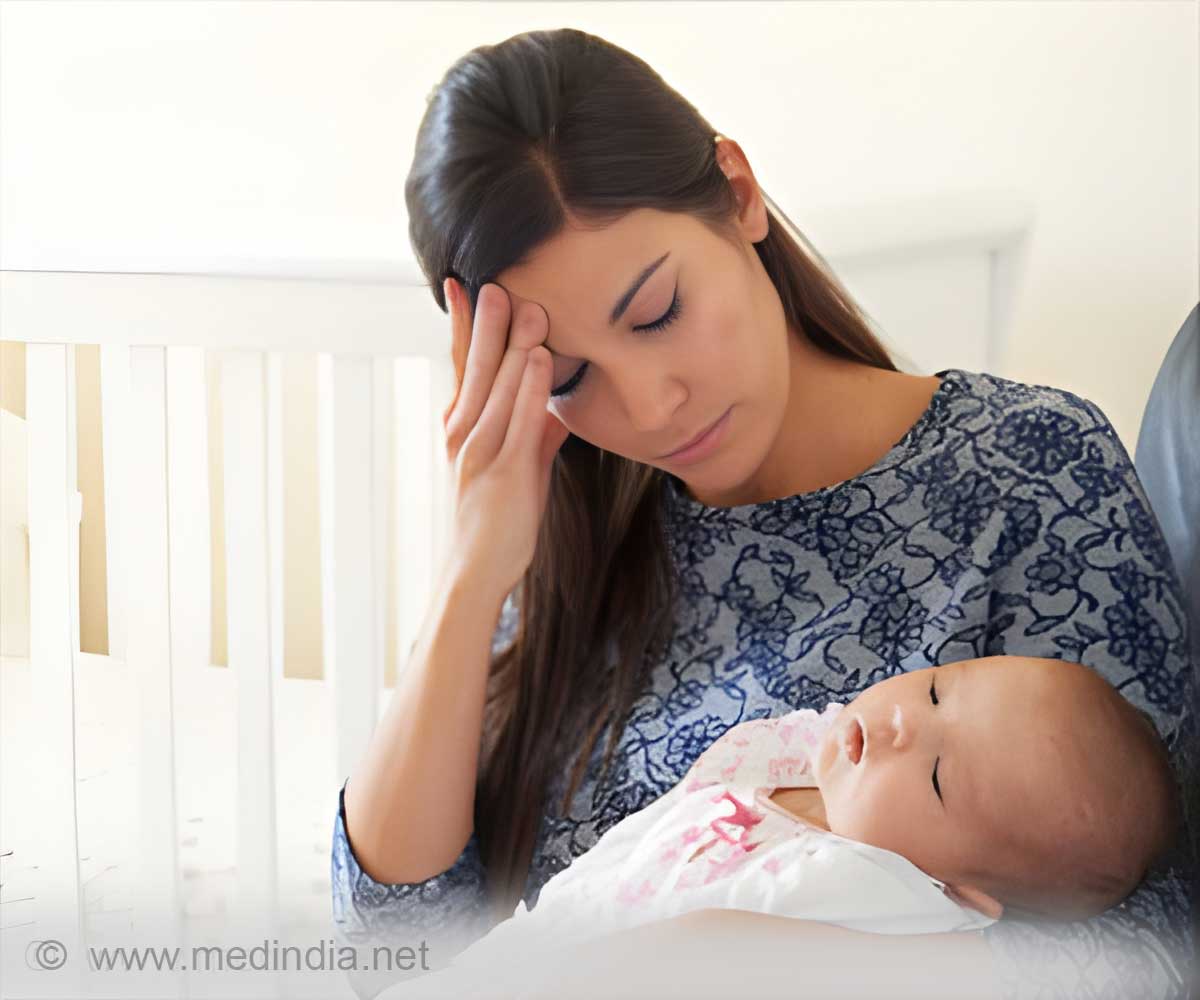
The weeks after childbirth can bring profound physical and emotional changes, but some psychiatric symptoms demand far more than routine postpartum support. Postpartum psychosis is a rare and serious condition that can develop after childbirth and may involve hallucinations, delusions and other psychotic symptoms. Because recognition can fail at several points, researchers have examined where opportunities to identify and treat the condition may be missed. (1✔ ✔Trusted Source
A systematic review of postpartum psychosis resulting in infanticide: missed opportunities in screening, diagnosis, and treatment
)
A recent review of published cases found that gaps in screening, diagnosis and access to care were among the factors associated with missed opportunities for intervention in women experiencing postpartum psychosis. The findings add weight to a growing concern in maternal mental health: recognizing severe psychiatric symptoms early can be challenging, particularly when appropriate assessment and specialist care are not readily available. These findings do not mean that every case of postpartum psychosis is missed, but they highlight areas where care can be strengthened.
Advertisement
Postpartum Psychosis Symptoms: Why Early Signs Can Be Overlooked
Postpartum psychosis is uncommon, affecting approximately 1 in 1,000 women. Unlike the more common emotional difficulties that can occur after childbirth, it involves psychotic symptoms such as delusions and hallucinations. The condition can become particularly serious when these symptoms affect a mother’s perception of reality or behavior.
The distinction matters because a woman experiencing psychosis may not simply describe herself as feeling sad or overwhelmed. The illness can involve beliefs or perceptions that are not based in reality. Recognizing these symptoms therefore requires attention to changes beyond routine screening for common postpartum mood symptoms.
Advertisement
Why Postpartum Psychosis Screening Can Miss Women at Risk
The systematic review examined published cases of maternal infanticide involving women with evidence of postpartum psychosis to identify possible points where intervention could have occurred earlier. Researchers searched three databases and screened 231 articles covering studies conducted from 2013 to 2023. Twelve studies were ultimately included in the review.
The researchers identified several recurring factors, including a lack of standardized screening tools, preferences for traditional or cultural healing practices and limited access to care. These findings suggest that identifying postpartum psychosis is not only a question of recognizing symptoms. The wider healthcare system and the availability of appropriate mental-health services can also influence whether women receive timely intervention.
Advertisement
Postpartum Psychosis vs Postpartum Depression: Why It Matters
Postpartum psychosis should not be treated as simply another form of postpartum depression. Psychosis involves a loss of contact with reality, with symptoms that can include hallucinations and delusions. Postpartum depression, in contrast, is primarily characterized by persistent depressive symptoms. The two conditions require different clinical assessment and management.
This difference is important because focusing only on common postpartum mood symptoms may not identify a woman whose condition is progressing toward psychosis. The review’s findings specifically point to gaps in screening and diagnosis as potential missed opportunities for intervention.
How Better Postpartum Mental Health Care Can Help
The research does not suggest that one screening method can prevent every case of postpartum psychosis. Instead, it highlights the need for clinical approaches that can improve recognition, diagnosis and access to appropriate care. The review concluded that the existing evidence supports developing and evaluating interventions aimed at improving maternal and infant outcomes among women experiencing puerperal psychosis.
For families, clinicians and healthcare systems, the central message is clear: severe psychiatric symptoms after childbirth deserve attention and should not be dismissed as ordinary adjustment to motherhood. Postpartum psychosis is rare, but recognizing psychotic symptoms and connecting affected women with appropriate care can help close the gaps identified by research.
The growing focus on postpartum mental health offers an important opportunity to make care more responsive. Better recognition, stronger screening approaches and improved access to mental-health services can move postpartum care beyond simply asking whether a new mother is coping and toward understanding whether she is truly safe and well.
Reference:
- A systematic review of postpartum psychosis resulting in infanticide: missed opportunities in screening, diagnosis, and treatment.(https://pubmed.ncbi.nlm.nih.gov/39222077/)
Source-Medindia