

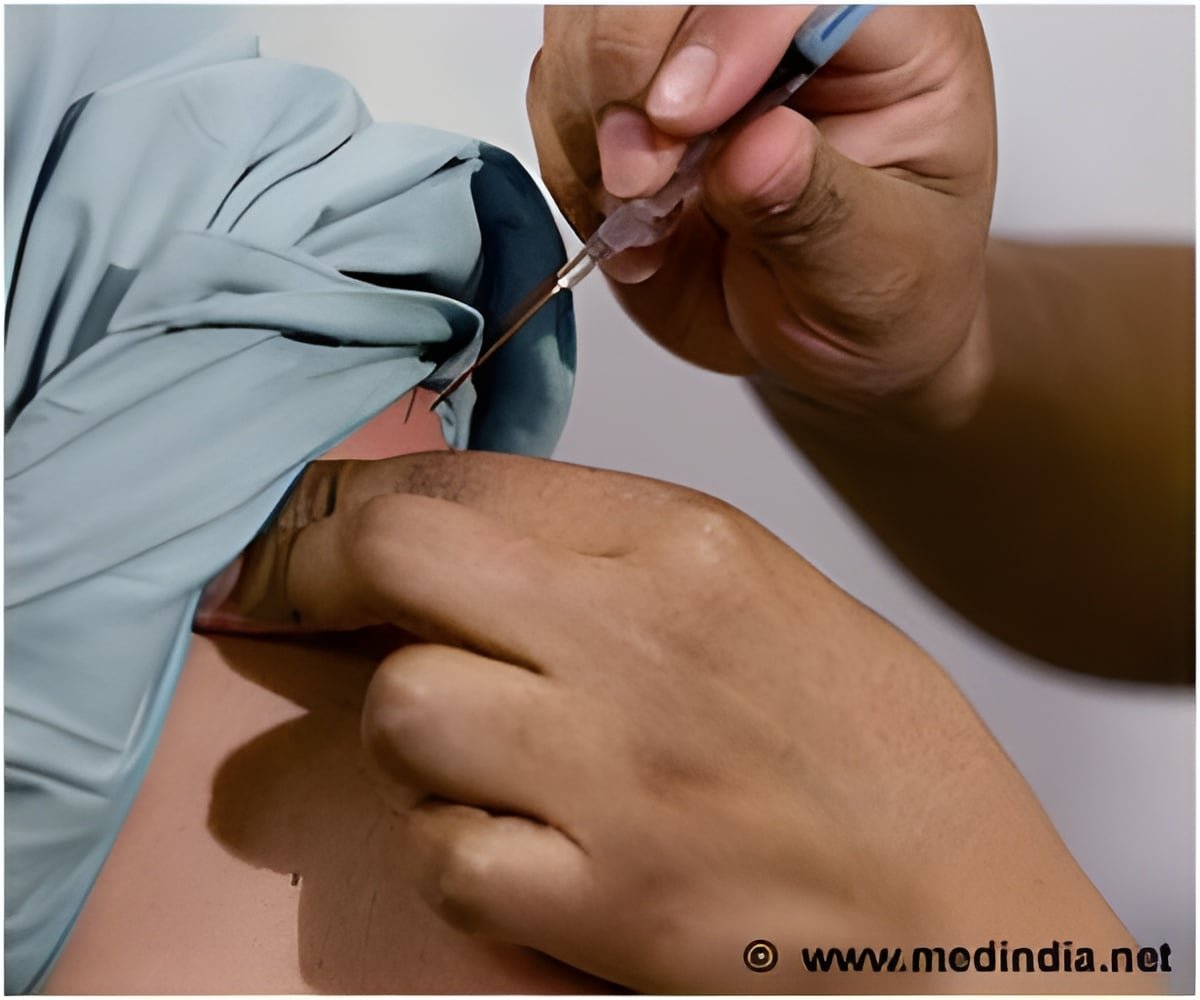
HPV isn’t just a girls’ health concern. Men can face HPV-related cancers too, making vaccination an important step toward future protection.
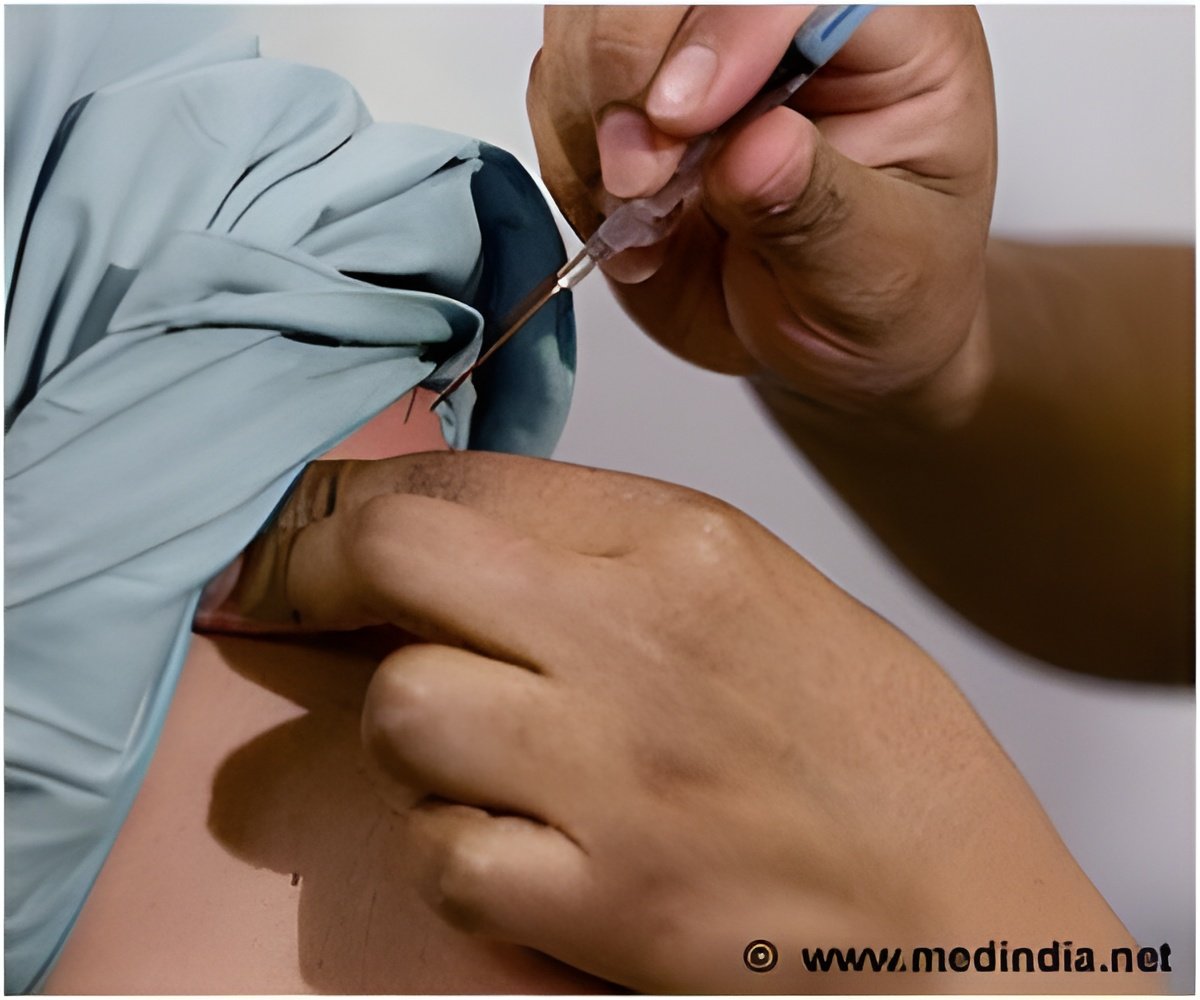
HPV is often associated with women’s health, but the virus can affect young men and adults too.
In fact, certain HPV infections can lead to serious cancers later in life, making early vaccination an important part of cancer prevention.
According to the CDC, about 16,800 HPV-attributable cancers occur among men in the U.S. each year, including approximately 13,600 oropharyngeal cancers. (1✔ ✔Trusted Source
Cancers Linked with HPV Each Year
The CDC also states that HPV vaccination can prevent more than 90% of cancers caused by HPV.
Advertisement
Why Men Need the HPV Vaccine Too?
HPV is often discussed in the context of women’s health, particularly because of its strong link with cervical cancer. This focus is important, but HPV is not only a women’s health concern.
Men can also become infected with HPV and may develop HPV-related health problems later in life.
The HPV vaccine for men is therefore an important part of cancer prevention.
The HPV vaccine benefits for young men include protection against the HPV types responsible for many of these cancers, making early vaccination an important step toward long-term health.
Advertisement
HPV-Related Cancer Risks in Men
HPV and cancer risk are closely linked. HPV-related cancers and other diseases can occur when certain high-risk types of human papillomavirus (HPV) persist in the body.
In men, HPV is linked to anal, penile, and oropharyngeal cancers, while some HPV types can also cause genital warts. Most HPV infections clear naturally, but persistent infections can sometimes lead to abnormal cell changes and, over time, cancer.
The HPV vaccine for males can help prevent the infections that cause many of these cancers, making early vaccination an important preventive-health measure.
Advertisement
What Is HPV, and How Does It Spread?
Human papillomavirus (HPV) is a common virus that can affect the skin, mouth, throat, and genital areas. While most infections clear naturally, some high-risk HPV types can persist and contribute to cancer.
HPV spreads mainly through close skin-to-skin contact, including vaginal, anal, and oral sexual contact. It can spread even when there are no visible symptoms, making early vaccination an important preventive measure.
HPV Vaccine Effectiveness and Protection
The HPV vaccine effectiveness is highest when vaccination is given before exposure to the virus.
Vaccinating men during the recommended age range helps the immune system build protection against HPV before they are likely to encounter it, which benefits them.
The vaccine protects against the HPV types that are responsible for many HPV-related cancers.
While it does not treat an existing HPV infection, timely vaccination can significantly reduce the chance of future infection with vaccine-covered HPV types.
This highlights why men need HPV vaccination as an important part of long-term cancer prevention and overall health.
When Should Men Get the HPV Vaccine?
The HPV vaccine for boys is recommended routinely at 11-12 years of age, although vaccination can begin as early as 9 years.
Catch-up vaccination is recommended for males through age 26 if they were not adequately vaccinated earlier. Starting vaccination before exposure to HPV provides the best protection against future HPV-related cancers. (2✔ ✔Trusted Source
HPV (Human Papillomavirus) Vaccine:
What You Need to Know
Adults aged 27-45 may also get the HPV vaccine after discussing the benefits with their healthcare provider.
The HPV vaccine benefits for young men include protection against HPV infections that can contribute to anal, penile, and oropharyngeal cancers.
HPV prevention should not be seen as only a women’s health issue. Men deserve protection too, and getting the HPV vaccine at the recommended age can help reduce their risk of HPV-related cancers later in life.
By making HPV vaccination a routine part of adolescent healthcare, parents and healthcare providers can take an important step toward preventing cancer before it starts.
“Prevention is better than cure.” Vaccination today can mean stronger protection for tomorrow because cancer prevention starts early.
References:
- Cancers Linked with HPV Each Year – (https://www.cdc.gov/cancer/hpv/cases.html)
- HPV (Human Papillomavirus) Vaccine:
What You Need to Know – (https://www.cdc.gov/vaccines/hcp/current-vis/downloads/hpv.pdf)
Source-Medindia