

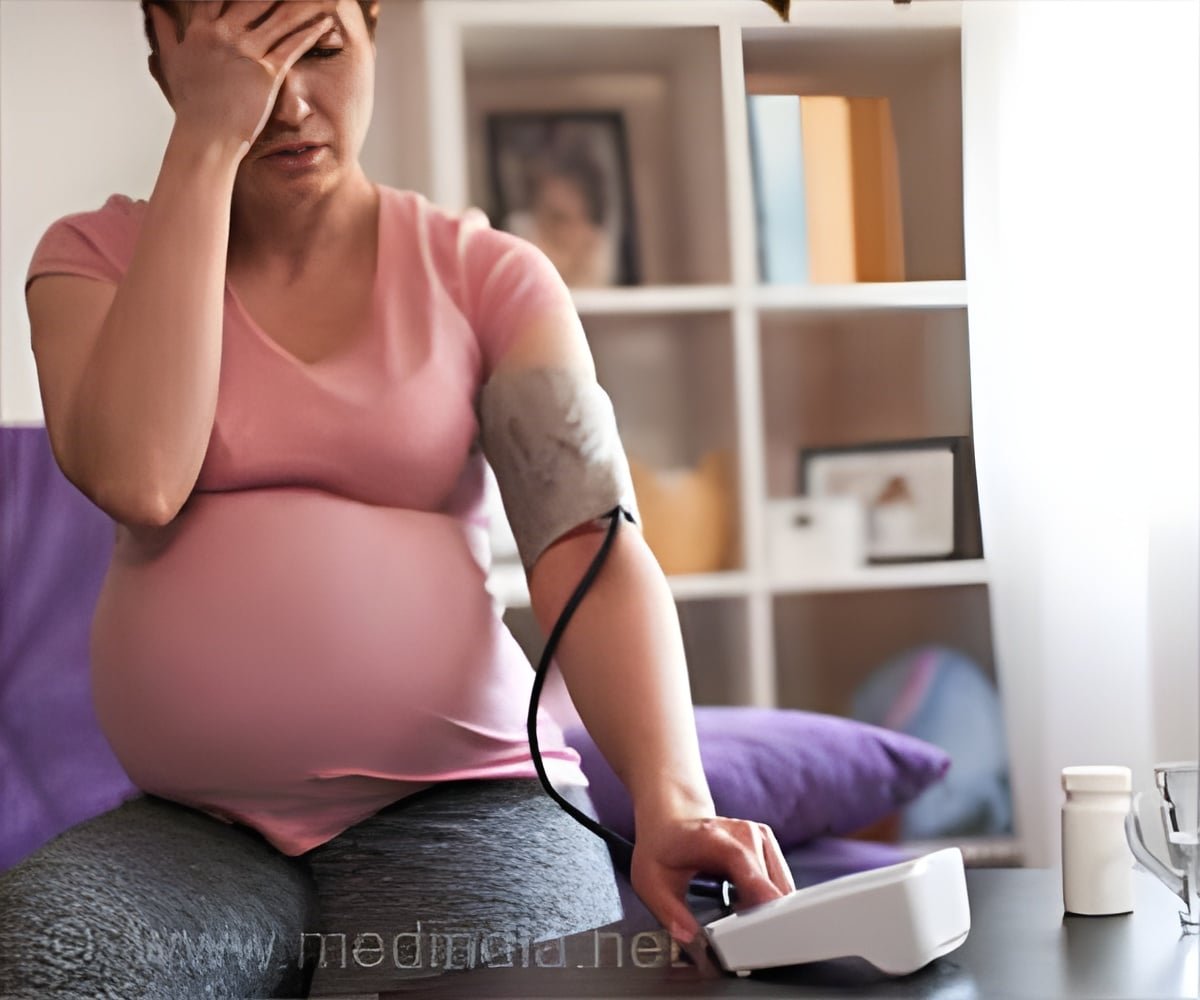
Phthalates are found in more everyday products than you might think. Frequent exposure to certain phthalates may be associated with higher systolic and diastolic blood pressure during pregnancy.
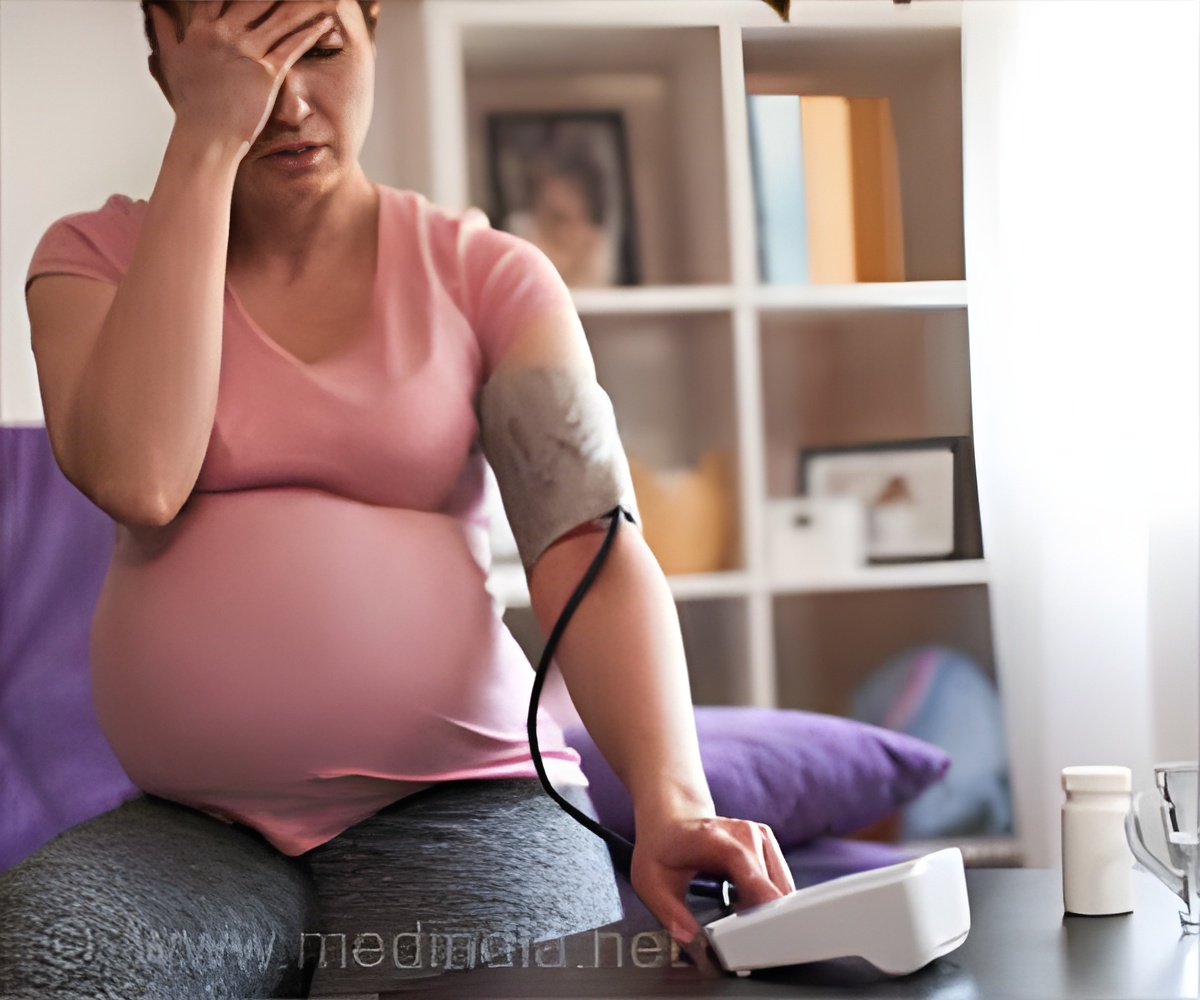
Are phthalates putting pregnancy under pressure? Everyday products like fragrances, cosmetics, and plastics can contain phthalates that may affect blood pressure during pregnancy.
Phthalates are chemicals found in plastics, personal care products, and many everyday items. They may increase the risk of high blood pressure during pregnancy, warns to a new study.
The findings of the study are published in the Journal of the Endocrine Society (1✔ ✔Trusted Source
Associations of urinary phthalate metabolite and replacement chemical concentrations with gestational blood pressure
Advertisement
High Blood Pressure During Pregnancy: A Growing Health Concern
Hypertensive disorders of pregnancy such as preeclampsia are a leading cause of maternal mortality in the United States. Higher blood pressure during pregnancy has been linked to adverse health outcomes in both the mother and child.
Advertisement
Can Phthalates Affect Blood Pressure in Pregnancy?
While factors such as family history and lifestyle are known to increase risk, growing evidence suggests that exposure to phthalates – chemicals commonly found in consumer products that can interfere with the body’s natural hormones – may also contribute to elevated blood pressure during pregnancy.
Advertisement
Elevated Blood Pressure During Pregnancy: The Hidden Role of Phthalates
“Our study suggests that having higher concentrations of personal care products-associated chemicals, known as phthalates, in the body might contribute to elevated blood pressure in pregnancy,” said Kimberly Parra, Ph.D., of Harvard T.H. Chan School of Public Health in Boston, Mass. “While our study does not show that phthalates cause high blood pressure during pregnancy, it suggests that reducing exposure to this class of chemicals by limiting personal care products containing these ingredients, particularly those with fragrance, may be a way to address high blood pressure in pregnancy and improve pregnancy health.”
The researchers measured phthalate exposure and blood pressure in 338 pregnant women from The Environmental Reproductive and Glucose Outcomes (ERGO) Study at three points during pregnancy. They analyzed whether higher levels of these chemicals—individually and in combination—were linked to higher blood pressure or an increased risk of pregnancy-related high blood pressure disorders.
The authors found that pregnant women with higher urine concentrations of fragrance-associated phthalates and those in personal care products had higher systolic and diastolic blood pressure markers of an increased risk of hypertensive disorders of pregnancy.
About 13% of participants in the study developed a pregnancy-related high blood pressure disorder. Women with higher levels of certain phthalates, especially those found in personal care products, tended to have higher blood pressure later in pregnancy.
“More research is needed to better understand these findings, particularly whether the effects are driven by changes in estrogen-related pathways. Additional studies should also examine the potential role of other phthalates and their replacement chemicals,” Parra said.
Don’t let everyday chemicals put pregnancy under pressure! Be aware, reduce exposure, and protect pregnancy.
Reference:
- Associations of urinary phthalate metabolite and replacement chemical concentrations with gestational blood pressure – (https://academic.oup.com/jes/advance-article/doi/10.1210/jendso/bvag158/8733169)
Source-Eurekalert