

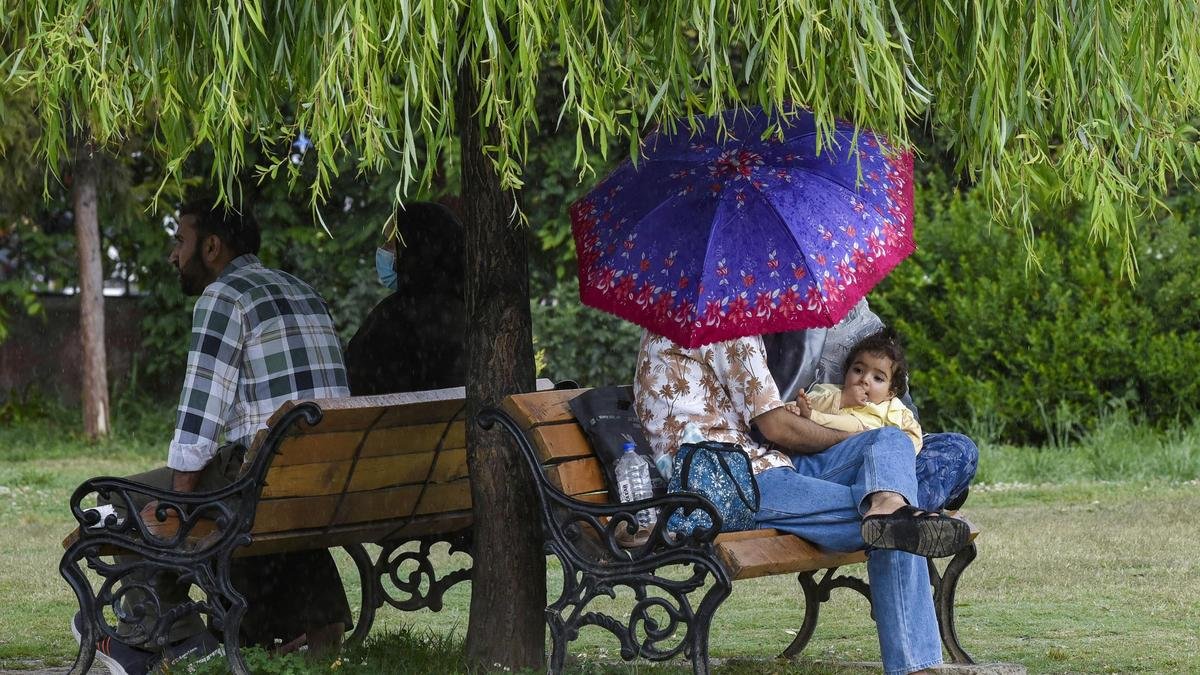

Newborns require vigilant care during the monsoon due to high humidity and an increased risk of infections. Image used for representational purposes only
| Photo Credit: ANI
The rainy season provides welcome relief from the scorching summer heat most of India has reeled under, but it is also a time when infections, especially among infants and young children, may be on the rise. Why is this important? The most critical phases of development and growth are the first 1,000 days of life: from conception to the second birthday. During the early months after birth, a rapid maturation of organs takes place, a significant period in a child’s life. What is also important to remember is that since the immune systems of babies are at a premature stage during this time, proactive and preventive care for newborns is imperative.

The monsoon and newborns
Newborns require vigilant care during the monsoon due to high humidity and an increased risk of infections. Polluted water sources and high moisture levels in the wet season could lead to disease-carrying vectors and the circulation of virus, which can heighten the risk of gut-related issues, airway infections and seasonal and skin conditions.
Parents and caregivers who attend to babies need to be cautious and vigilant during the rains. Hygiene practices are the best way to keep infections at bay. Simple steps like washing hands thoroughly and keeping the baby dry can go a long way.
The rainy season is a peak breading time for mosquitoes carrying diseases such as dengue and malaria. Shielding babies from mosquito-borne illnesses is of great importance. Using the mosquito nets over the bed or cradle and ensuring surroundings are free of stagnant water is essential.
Another issue during the monsoon is the rise of respiratory infections due to fluctuations in temperature and increased circulation of seasonal viruses. Temperature should be well controlled at home due to fluctuating weather and heavy rains, which can cause babies to lose body heat. Maintain your room temperature at around 25 C to 26 C , and dress the baby in an extra layer of breathable, full-sleeved clothing to stay warm and comfortable.
A clean home environment is also important during the monsoon months. Germs and dirt are everywhere in the house; use disinfecting agents and if possible, vacuum area surrounding the baby, to keep these sections clean and dry. Feeding bottles, breast pump accessories, toys, bedding, and frequently-touched surfaces should be cleaned regularly. Damp clothes, blankets, and towels should be dried thoroughly before use, as moisture can encourage the growth of bacteria and fungi.
High moisture in the air can cause sweating, which can lead to diaper rash and fungal infections. Give daily lukewarm baths and then pat dry and pay special attention to folds in the neck, underarms, and genitals. Let your baby go diaper-free for short periods daily to keep the skin breathing well.
It is also preferable to avoid crowded places and sick visitors to shield the baby’s fragile immune system.

Feeding and vaccines
Breastfeeding is the founding stone of a healthy immune system. In the first six months exclusive breastfeeding supports an ideal balance of physical development through nutrients, and provides protection against childhood ailments. Safe feeding practices are essential, particularly for infants receiving formula feeds. Use only boiled and cooled water for your baby to prevent waterborne diseases.
Keeping immunisations up to date is another critical step in safeguarding children against preventable diseases. Vaccination helps strengthen immunity and reduces the risk of several serious infections during early childhood.
Symptoms such as poor feeding, persistent fever, difficulty breathing, excessive sleepiness, or irritability should prompt immediate medical evaluation.

What you should know
The first 1,000 days lay the foundation for a child’s lifelong health and well-being. By prioritising hygiene, breastfeeding, nutrition, vaccination, and timely medical care, parents can significantly reduce the risk of seasonal infections during the rainy season.
With a proactive approach and awareness of early warning signs, families can help ensure that newborns remain healthy and thrive during this crucial stage of development.
(Dr. Harshitha Gattu is a consultant paediatrician & neonatologist at Ankura Hospital Hyderabad. web@ankurahospital.com)
Published – July 18, 2026 07:53 pm IST