

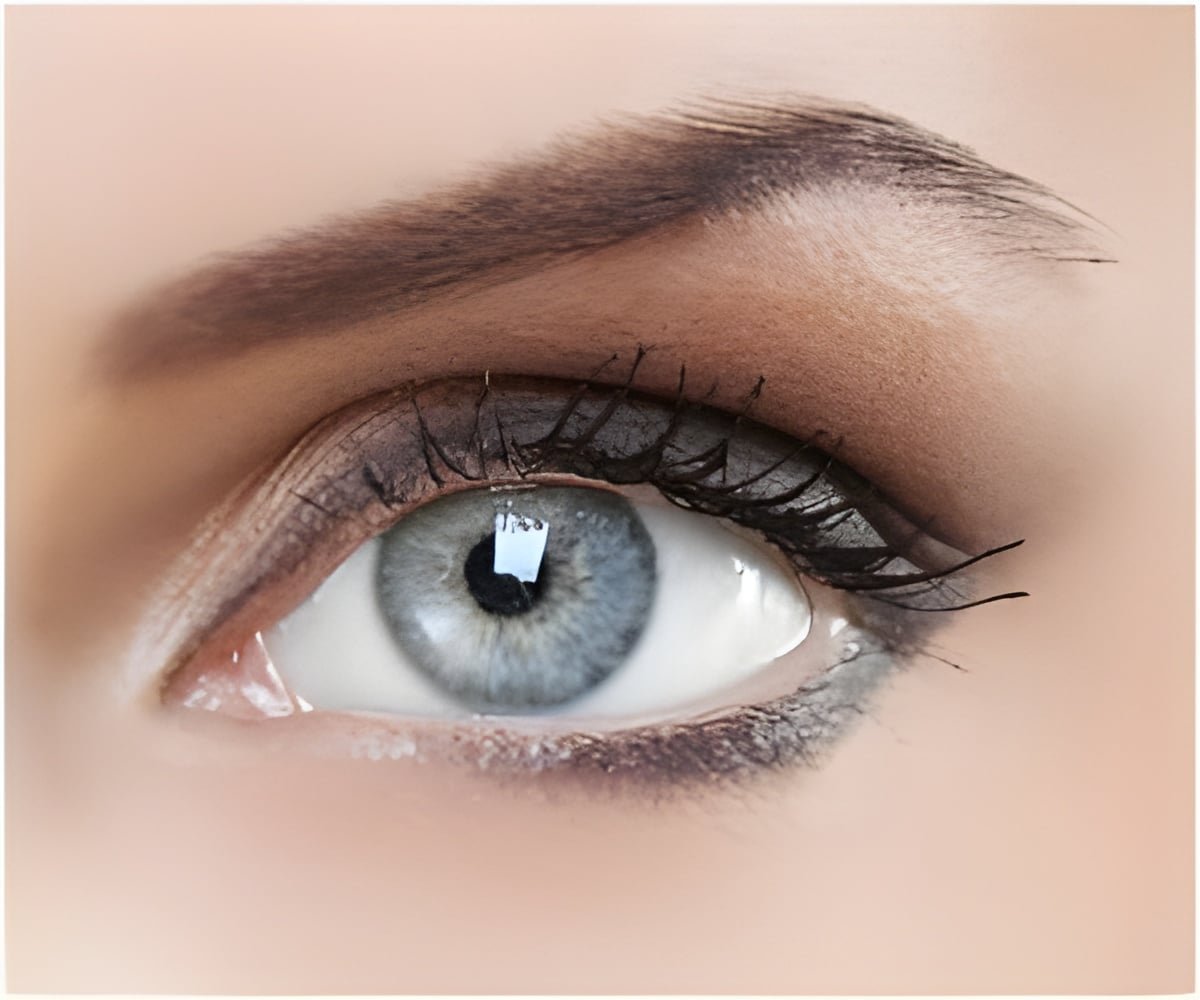
Eye yoga has become a popular wellness trend, with many claiming it can improve eyesight and even eliminate the need for glasses. But does science support these claims? While simple eye exercises may help relieve eye fatigue, experts say they are not a cure for vision problems.
- Eye yoga may help reduce digital eye strain and relax tired eye muscles
- There is no strong scientific evidence that eye exercises improve eyesight or replace glasses
- Healthy screen habits and regular eye examinations remain the best ways to protect your vision
Many people spend eight to ten hours each day looking at computer screens, smartphones, and tablets. As screen time increases, complaints of tired eyes, blurred vision, dryness, and headaches have become increasingly common. This has led to growing interest in eye yoga, a collection of simple eye exercises that promise to relax the eyes and improve vision (1). While the idea sounds appealing, experts say it is important to separate proven benefits from popular myths.
Eye yoga or ocular exercises can be a useful addition to your daily wellness routine, particularly if you spend long hours using digital devices. However, it should not be viewed as a treatment for poor eyesight or eye diseases. Understanding what these exercises can and cannot do helps you make informed decisions about your eye health.
Advertisement
What is Eye Yoga?
Eye yoga refers to a series of gentle exercises designed to relax the muscles around the eyes and reduce visual fatigue. Common techniques include blinking exercises, eye rotations, shifting focus between near and distant objects, palming, and figure-eight movements. These exercises are simple, require no equipment, and can be performed almost anywhere.
Many yoga practitioners believe these exercises improve comfort by encouraging better blinking and temporarily relaxing eye muscles after prolonged screen use. They are intended to support eye comfort rather than change the structure of the eye.
Advertisement
Can Eye Yoga Improve Vision?
This is the question many people ask, and current scientific evidence offers a clear answer. Research suggests that eye exercises cannot correct refractive errors such as myopia, hyperopia, astigmatism, or presbyopia (2). They also cannot cure cataracts, glaucoma, or age-related macular degeneration.
Most people need glasses because of the shape of the eye or age-related changes in the lens. These structural changes cannot be reversed through exercises alone. While some people feel their vision is temporarily clearer after eye yoga, this improvement usually reflects reduced eye fatigue rather than permanent changes in eyesight.
Advertisement
Can Eye Exercises Reduce Digital Eye Strain?
This is where eye yoga appears to offer the greatest benefit. Long periods of screen use reduce blinking frequency, leading to dry, irritated, and tired eyes. Gentle eye exercises, combined with frequent blinking and short breaks, may help relieve these symptoms.
Experts recommend following the 20-20-20 rule. Every 20 minutes, look at something about 20 feet away for at least 20 seconds. This simple habit gives the focusing muscles an opportunity to relax and helps reduce digital eye strain throughout the day (3).
Beneficial Eye Yoga Exercises
Several eye exercises are commonly recommended for relaxation. Blinking consciously every few seconds helps restore moisture to the eye surface. Palming involves covering closed eyes gently with warm palms to encourage relaxation. Shifting focus between a nearby object and something farther away helps exercise the eye’s focusing mechanism.
Slow eye movements in different directions and gentle figure-eight patterns may also help relieve stiffness after prolonged screen use. These exercises should always be comfortable and should never cause pain or dizziness.
Tips to Keep Your Eyes Healthy
Eye exercises are only one small part of maintaining healthy vision. Eating foods rich in vitamins A, C, E, omega-3 fatty acids, and lutein supports overall eye health (4). Good sleep, adequate hydration, proper lighting, and limiting unnecessary screen time are equally important.
Routine comprehensive eye examinations remain essential because many eye diseases develop without noticeable symptoms during their early stages. Early diagnosis often prevents permanent vision loss.
Eye yoga can be a helpful way to relax tired eyes after prolonged screen use and may reduce symptoms of digital eye strain. However, it does not improve refractive errors or replace glasses and should not be considered a treatment for eye diseases. The best strategy for protecting your eyesight combines healthy screen habits, regular blinking, balanced nutrition, and routine eye check-ups with an ophthalmologist.
Frequently Asked Questions
Which doctor should I consult for persistent vision problems?
Consult an ophthalmologist (eye specialist) if you have blurred vision, persistent eye pain, flashes of light, sudden vision changes, or ongoing eye discomfort.
Can eye yoga improve eyesight?
Current evidence suggests eye yoga helps reduce eye strain but does not improve refractive errors.
Can eye exercises replace glasses?
No, eye exercises cannot replace glasses or contact lenses for correcting vision.
What is the best exercise for tired eyes?
The 20-20-20 rule, frequent blinking, and focus-shifting exercises are commonly recommended for eye comfort.
How often should I practise eye yoga?
Five to ten minutes daily or during long screen sessions may help reduce eye fatigue.
References:
- Effect of Yoga Ocular Exercises on Eye Fatigue
(Gupta SK, Aparna S. Effect of Yoga Ocular Exercises on Eye Fatigue. Int J Yoga. 2020 Jan-Apr;13(1):76-79. doi: 10.4103/ijoy.IJOY_26_19. PMID: 32030026; PMCID: PMC6937872.) - Eye exercises for myopia prevention and control: a comprehensive systematic review and meta-analysis of controlled trials
(Lin Z, Xiao F, Cheng W. Eye exercises for myopia prevention and control: a comprehensive systematic review and meta-analysis of controlled trials. Eye (Lond). 2024 Feb;38(3):473-480. doi: 10.1038/s41433-023-02739-x. Epub 2023 Sep 22. PMID: 37740051; PMCID: PMC10858027.) - The effects of breaks on digital eye strain, dry eye and binocular vision: Testing the 20-20-20 rule
(Talens-Estarelles C, Cerviño A, García-Lázaro S, Fogelton A, Sheppard A, Wolffsohn JS. The effects of breaks on digital eye strain, dry eye and binocular vision: Testing the 20-20-20 rule. Cont Lens Anterior Eye. 2023 Apr;46(2):101744. doi: 10.1016/j.clae.2022.101744. Epub 2022 Aug 11. PMID: 35963776.) - Feed the Eye to Heal the Eye
(Merra G, Covino M, Piccioni A, Candelli M, Ojetti V, Gasbarrini A, Franceschi F. Feed the Eye to Heal the Eye. J Curr Ophthalmol. 2024 Mar 29;35(3):209-215. doi: 10.4103/joco.joco_94_23. PMID: 38681695; PMCID: PMC11047812.)
Source-Medindia