

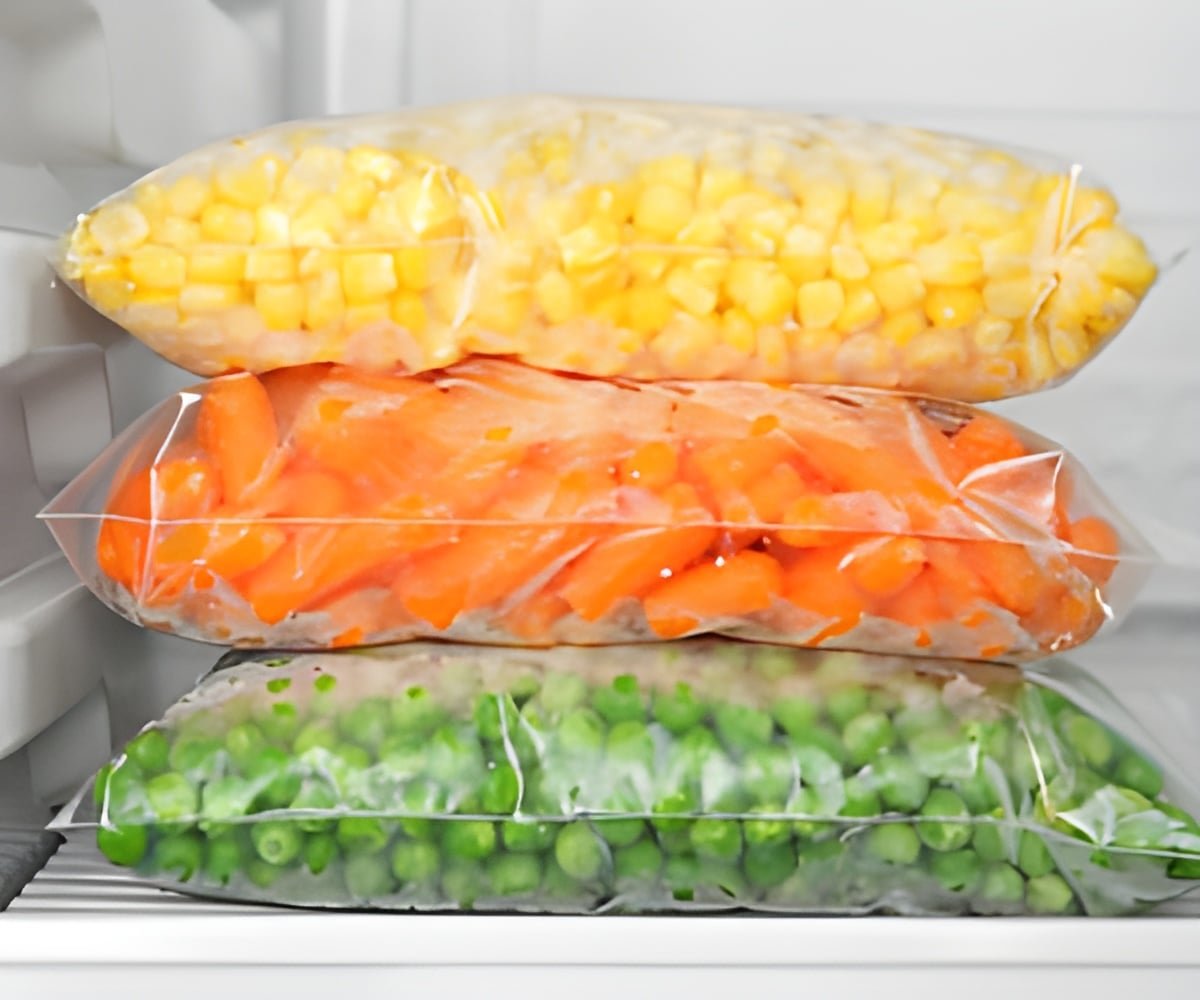
The US Food and Drug Administration has issued updated safety guidance for businesses processing ready-to-eat fresh-cut produce. It emphasizes hazard assessment, safe water, sanitation, supplier verification and temperature control as major produce-linked outbreaks remain under investigation.
The FDA has finalized guidance to help manufacturers and processors protect ready-to-eat fresh-cut produce from biological contamination.
Fresh-cut produce refers to fruits or vegetables physically altered from their whole state through chopping, slicing, peeling, dicing, shredding or similar preparation. Examples include chopped lettuce, sliced cantaloupe, diced onions, shredded carrots, coleslaw mixes and fruit salads.
The document incorporates comments submitted on a 2018 draft and replaces the agency’s 2008 fresh-cut produce guidance. The FDA said the document represents its current thinking on preventing contamination in these foods.(1✔ ✔Trusted Source
FDA Finalizes Guidance for Ready-to-Eat Fresh-Cut Produce Operations under Preventive Controls for Human Food Rule
Advertisement
The Recommendations Are Not Legally Binding
The guidance does not create new legally enforceable responsibilities. Instead, it provides recommendations and examples to help manufacturers comply with existing Current Good Manufacturing Practice, hazard-analysis and risk-based preventive-control requirements.
Businesses may adopt alternative approaches if those methods satisfy applicable laws and regulations. The guidance is directed primarily at processors rather than consumers or farms engaged only in growing produce.
Advertisement
Cutting Produce Can Increase Contamination Risks
Fresh produce may become contaminated during growing, harvesting, transportation, manufacturing, mixing, packaging or retail handling. Cutting can release cellular fluids and nutrients that support microbial growth.
Contamination introduced into processing water or equipment may also spread to larger quantities of food. Unlike cooked or canned products, most fresh-cut produce has no final heat treatment or other “kill step” capable of eliminating pathogens before consumption.
Because the products are generally eaten without further processing, prevention must operate throughout the supply chain and production process. (1✔ ✔Trusted Source
FDA Finalizes Guidance for Ready-to-Eat Fresh-Cut Produce Operations under Preventive Controls for Human Food Rule
Advertisement
FDA Outlines Key Controls for Safer Fresh-Cut Produce
The FDA advises processors to identify reasonably foreseeable biological hazards and determine whether preventive controls are required. Depending on the product and operation, protective measures may include:
- Using water that is safe and suitable for its intended purpose
- Controlling wash-water quality and antimicrobial concentration
- Training employees in hygiene and safe food handling
- Designing facilities and equipment to support effective cleaning
- Implementing sanitation and contamination-control procedures
- Monitoring time and temperature during processing and storage
- Approving suppliers and verifying their food-safety performance
- Maintaining records of monitoring, verification and corrective actions
Supplier-verification activities may include onsite audits, testing raw materials, reviewing safety records and assessing supplier performance.
Safe Wash-Water Systems Can Limit Cross-Contamination
Antimicrobial substances in produce wash water can help prevent pathogens from spreading between food items. However, their effectiveness depends on factors such as concentration, water temperature, acidity, organic material and product flow.
The guidance discusses sodium hypochlorite and peroxyacetic acid as examples. Processors should validate their system, establish critical limits and monitor conditions where the antimicrobial concentration is most likely to fall.
Washing should not be presented as a guarantee that contaminated produce has been made pathogen-free. Its primary role in commercial processing may be to control cross-contamination when used within a properly validated system.(1✔ ✔Trusted Source
FDA Finalizes Guidance for Ready-to-Eat Fresh-Cut Produce Operations under Preventive Controls for Human Food Rule
Cyclospora Requires Strong Supply-Chain Controls
The FDA identifies Cyclospora cayetanensis as a potential hazard in products including berries, fresh basil, cilantro and certain salad mixes.
The agency says it is not currently aware of an antimicrobial treatment suitable for fresh-cut produce that can reliably prevent or significantly reduce Cyclospora cross-contamination. Processors may therefore need supply-chain controls when washing cannot adequately address the parasite.
These controls may include approving growers, reviewing agricultural practices, conducting qualified audits and confirming that produce is received only from verified suppliers.
Produce Outbreaks Highlight the Need for Prevention
The guidance arrives while federal agencies continue investigating major produce-associated outbreaks.
An outbreak of cyclosporiasis linked to recalled iceberg lettuce from Taylor Farms de Mexico had resulted in 6,358 confirmed illnesses across 15 states as of August 5, including at least 278 hospitalizations and two deaths involving people with significant underlying medical conditions. The FDA said its investigation remained ongoing.(2✔ ✔Trusted Source
Investigation of 15-State Outbreak of Cyclospora Illnesses: Iceberg Lettuce (July 2026)
A separate salmonella Javiana outbreak linked to jalapeños grown in Sinaloa, Mexico, and distributed by Coast Citrus Distributors had caused 345 illnesses across 27 states, including 36 hospitalizations and no reported deaths. Downstream recalls included salsa, guacamole, salads, sandwiches and other prepared foods.
The timing gives the guidance added public-health relevance, although it is a finalized version of work that began years before the current outbreaks.
Prevention Must Extend from Farm to Finished Package
Fresh-cut produce safety cannot depend on a single wash or inspection. Effective protection requires coordinated controls covering suppliers, water, equipment, workers, refrigeration, sanitation and distribution.
The FDA is also encouraging businesses to develop commodity-specific best practices that address the distinct risks associated with particular fruits, vegetables and processing systems.
References:
- FDA Finalizes Guidance for Ready-to-Eat Fresh-Cut Produce Operations under Preventive Controls for Human Food Rule- (https://www.fda.gov/food/hfp-constituent-updates/fda-finalizes-guidance-ready-eat-fresh-cut-produce-operations-under-preventive-controls-human-food)
- Investigation of 15-State Outbreak of Cyclospora Illnesses: Iceberg Lettuce (July 2026)- (https://www.fda.gov/food/outbreaks-foodborne-illness/investigation-15-state-outbreak-cyclospora-illnesses-iceberg-lettuce-july-2026)
Source-Medindia