

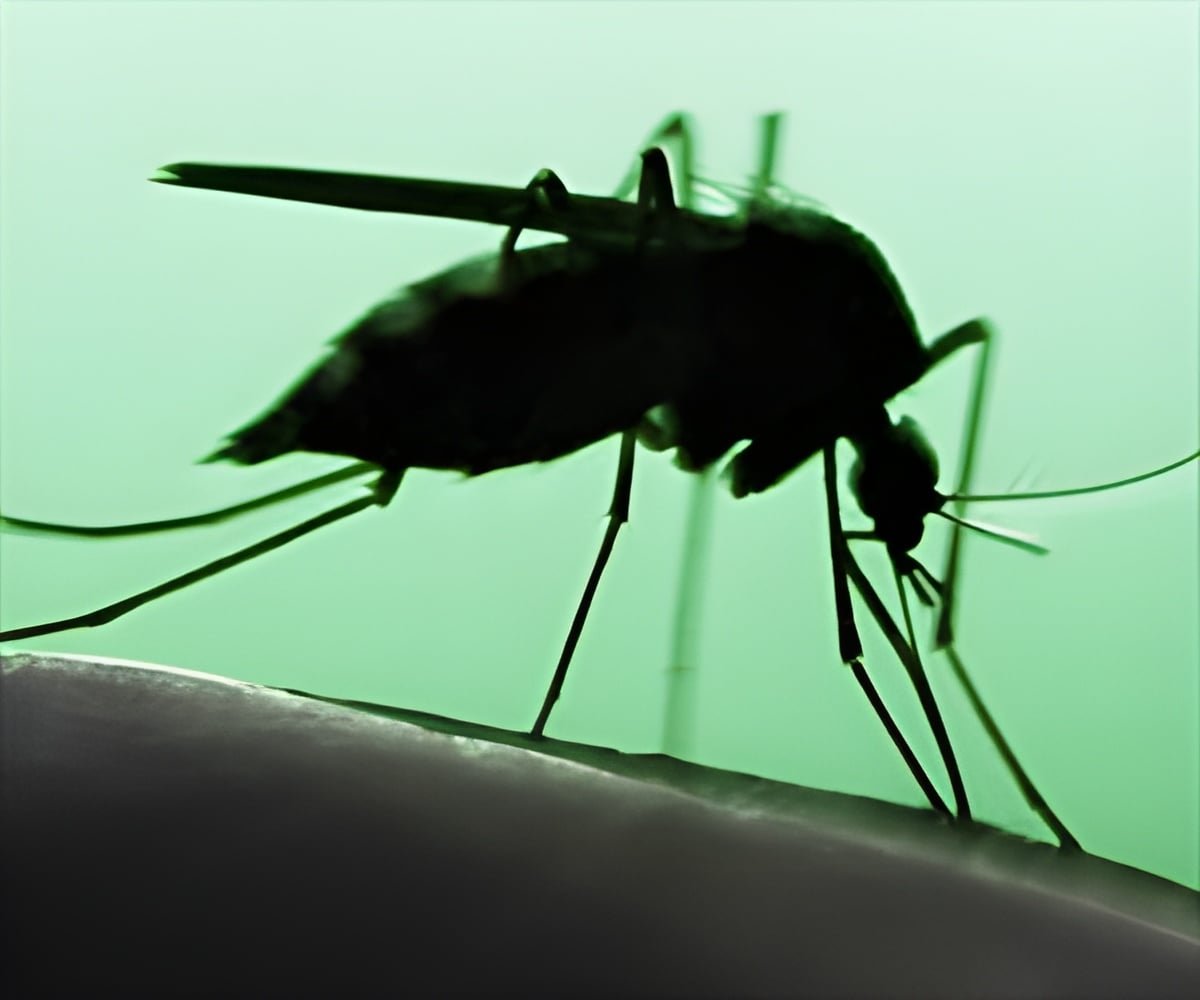
Some people naturally attract more mosquitoes because of body chemistry, but ticks usually attach to anyone who passes through their habitat.
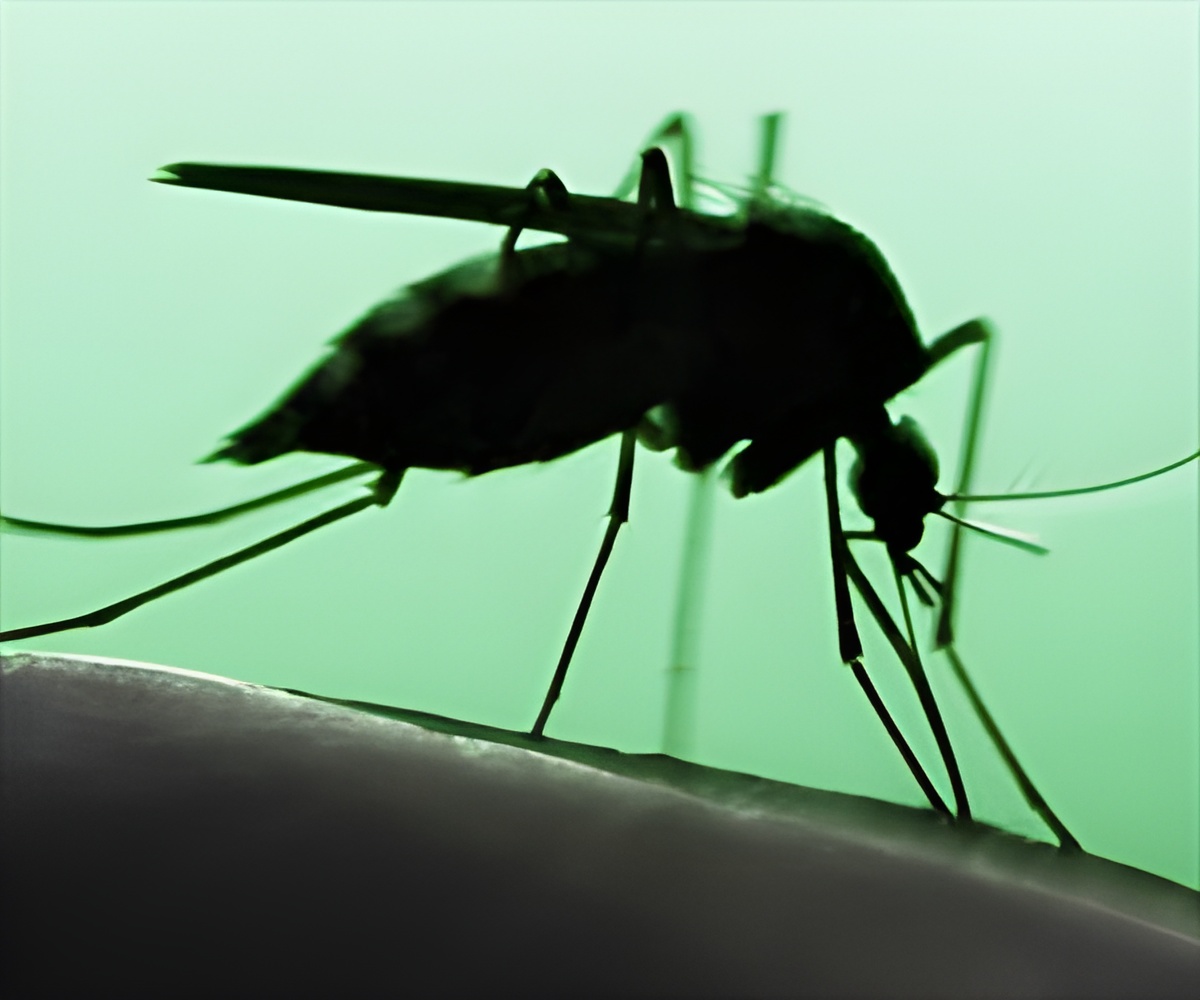
Ever wondered why mosquitoes seem to find you first while everyone around you escapes without a bite? You’re probably not imagining it. Scientists have found that some people naturally attract more mosquitoes because of differences in their body chemistry. But when it comes to ticks, the story is very different. Current evidence suggests that ticks are far less interested in who you are than where you are. Understanding this difference not only solves a common summer mystery but also helps you take smarter steps to reduce your risk of bites and tick-borne diseases (1✔ ✔Trusted Source
About Ticks and Tickborne Disease
).
Unlike mosquitoes, which actively search for people using carbon dioxide, body heat, sweat and skin odors, ticks usually wait in grasses, shrubs and other vegetation until a person or animal brushes past. This behavior, known as questing, means that spending time in tick habitats is a much bigger risk factor than your personal body chemistry. Fortunately, simple precautions can help protect against both mosquitoes and ticks.
Advertisement
Why Do Mosquitoes Bite Some People More Than Others?
According to Dr. Tom Mascari, entomologist at the SC Johnson Center for Insect Science, mosquitoes use a combination of cues to find humans or other mammals to bite, including carbon dioxide, body heat, sweat and skin odors.
Studies have shown that mosquitoes often show a consistent preference for some people more than others, often to a considerable degree. The reason for these differences can be attributed to genetics and differences in bacteria living on people’s skin.
More specifically, one study found that people whose skin produces higher levels of carboxylic acids — natural compounds in skin oils that contribute to body odor — were much more attractive to mosquitoes than others.
Other research has linked increased mosquito attraction to factors like type O blood, alcohol consumption and pregnancy.
Ultimately, “there’s not always one exact reason why someone becomes a ‘mosquito magnet.'”
Advertisement
Do Ticks Really Prefer Certain People?
While there is strong evidence that mosquitoes favor some people more than others, current scientific evidence does not show that ticks consistently have similar preferences for specific people.
According to the Centers for Disease Control and Prevention (CDC), ticks cannot fly or jump. Instead, they wait on grasses and shrubs in a behavior known as questing, detecting nearby hosts through breath, body odors, heat, moisture, vibrations and even shadows. When a person or animal brushes against vegetation, the tick quickly climbs aboard before searching for a suitable place to feed (2✔ ✔Trusted Source
What makes a tick-host encounter successful? Isolating the effects of host and tick qualities on rates of larvae adhering to hosts
Research published in the Journal of Medical Entomology also suggests that successful tick attachment depends largely on host contact and opportunity rather than a strong preference for particular hosts. Together, these findings indicate that exposure to tick habitats is generally a much more important factor than individual body chemistry.
Advertisement
Best Ways to Prevent Mosquito and Tick Bites Outdoors
There are some simple precautions you can take when going outside to avoid mosquito and tick bites:
- Cover exposed skin with long pants, long-sleeved shirts, socks and closed-toe shoes.
- Use EPA-registered repellents containing active ingredients such as DEET, picaridin or oil of lemon eucalyptus.
- Avoid areas with standing water, tall grass, dense vegetation and leaf litter whenever possible.
- Check yourself, children and pets carefully for ticks after spending time outdoors, paying particular attention to the scalp, behind the ears, under the arms, around the waist, behind the knees and between the legs.
How Can You Make Your Yard Less Attractive to Ticks and Mosquitoes?
Simple yard maintenance can significantly reduce the presence of mosquitoes and ticks:
- Remove standing water where mosquitoes breed.
- Mow lawns regularly and trim overgrown vegetation.
- Remove leaf litter and yard debris where ticks hide.
- Create a gravel or wood-chip barrier between wooded areas and your lawn.
- Store firewood at least 20 feet away from your home and off the ground to discourage rodents that may carry ticks.
- Seek professional pest management if infestations persist.
Mosquito Magnet vs Tick Magnet: What’s the Real Difference?
Science clearly shows that becoming a “mosquito magnet” is influenced by factors such as body chemistry, genetics and skin compounds. In contrast, there is currently no strong evidence that people become “tick magnets” in the same way. For ticks, where you spend time outdoors matters far more than who you are. By understanding how these two pests behave and following practical prevention measures, you can confidently enjoy outdoor activities while reducing your risk of bites and the diseases they may carry.
References:
- About Ticks and Tickborne Disease – (https://www.cdc.gov/ticks/about/)
- What makes a tick-host encounter successful? Isolating the effects of host and tick qualities on rates of larvae adhering to hosts – (https://pubmed.ncbi.nlm.nih.gov/41865401/)
Source-Medindia