

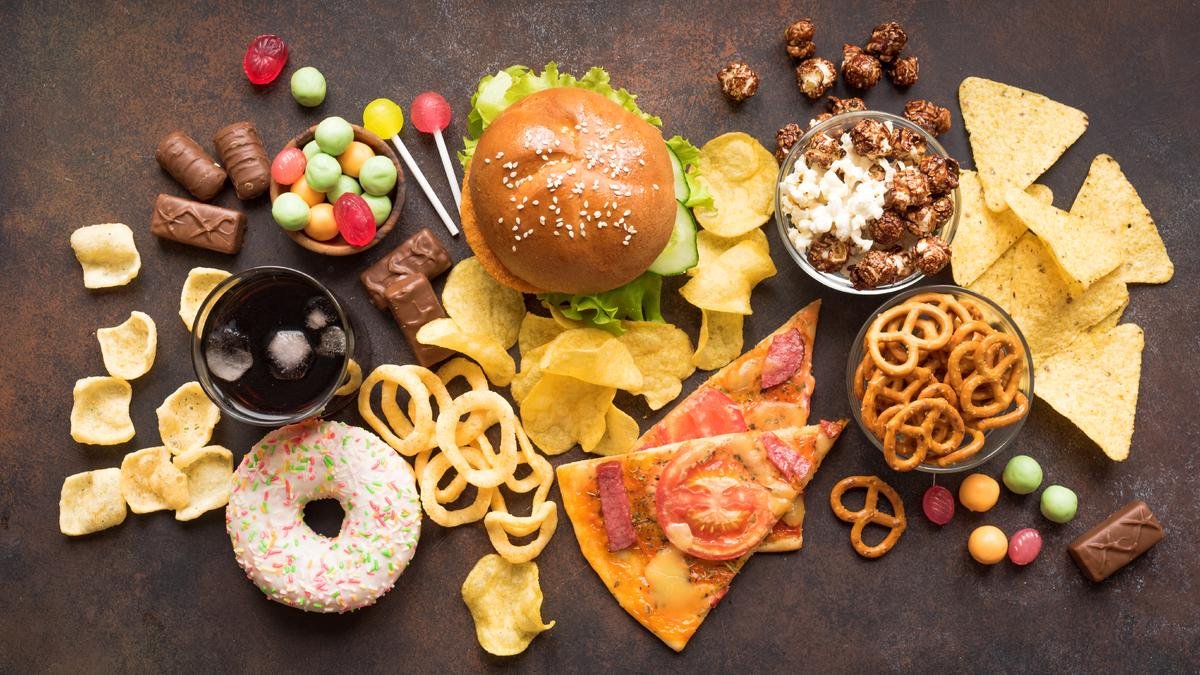
The Karnataka government’s advisory prohibiting the sale, distribution, advertisement and promotion of foods high in fat, sugar and salt (HFSS), commonly referred to as junk food, in schools and colleges and within a 50-metre radius of educational institutions has brought children’s nutrition and preventive healthcare into sharp focus. The advisory, issued by the State’s Food Safety and Drug Administration (FDA), seeks to create healthier food environments for students at a time when childhood obesity and lifestyle-related illnesses are on the rise.
The measure goes beyond regulating school canteens. By extending restrictions to vendors operating immediately outside school gates, the government hopes to reduce children’s easy access to unhealthy foods during school hours. While similar provisions already exist under the Food Safety and Standards (Safe Food and Balanced Diets for Children in School) Regulations, 2020, the advisory places renewed emphasis on implementation and enforcement.
Also Read | Supreme Court asks FSSAI to consider warning labels for packaged foods high in sugar, salt and saturated fat
Why has Karnataka taken this step?
The advisory comes amid growing concern over changing food habits among children and adolescents. The Food Safety Department has said inspections at educational institutions found widespread availability of processed snacks, sugary beverages and foods made using refined carbohydrates. Such foods are often energy-dense but nutritionally poor, containing excessive amounts of salt, sugar and unhealthy fats while providing limited vitamins, minerals and fibre.
Rebecca Kuriyan Raj, Professor and Head of the Division of Nutrition at St. John’s Research Institute and Head of Clinical Nutrition Service at St. John’s Medical College Hospital, described the advisory as a timely and much-needed public health intervention. She said schools play a critical role in shaping lifelong eating habits because children spend a significant part of their day there. “Easy access to junk food promotes frequent consumption of energy-dense, nutrient-poor foods over healthier meals,” she said, asserting that schools should foster supportive, health-promoting food environments.
N. Karthik Nagesh, Programme Director, Pediatric Centre of Excellence at Aster CMI Hospital, said children spend a large part of their day in school and the food available around educational institutions directly influences their eating habits. Restricting junk food near schools creates a healthier environment while sending a strong message to children and parents that nutrition is a priority, he said.
Editorial | Front and centre: On the front-of-package labelling issue
What are HFSS foods?
HFSS refers to foods that are high in fat, sugar and salt. The Food Safety and Standards Authority of India (FSSAI) uses the term to identify foods containing excessive levels of nutrients associated with obesity and non-communicable diseases.
These include packaged chips, sugary soft drinks, chocolates, candies, instant noodles with high sodium content, deep-fried snacks, burgers, pizzas made with processed ingredients, sweetened breakfast cereals and bakery products high in sugar and saturated fat. Not every packaged food falls under the HFSS category; classification depends on its nutritional composition and the limits prescribed under food safety regulations.
Also Read | FSSAI says nutritional information must be highlighted with bigger fonts and bold letters
Why are children particularly vulnerable?
Doctors say childhood is the period during which lifelong eating habits are established. Frequent consumption of HFSS foods displaces healthier foods from the diet and increases the risk of obesity, diabetes, hypertension and cardiovascular diseases later in life. India also continues to face a dual burden of undernutrition and rising overweight and obesity among school-going children.
Dr. Raj said India was increasingly witnessing what she described as an “intra-individual double burden of malnutrition”, where even children who appear thin or have normal body weight may carry excess body fat and metabolic abnormalities. “This hidden malnutrition heightens their risk of Type-2 diabetes, hypertension and non-alcoholic fatty liver disease later in life,” she said.
She pointed out that HFSS foods are rich in unhealthy fats, added sugar and salt but poor in protein, fibre, vitamins and other essential nutrients. Regular consumption encourages children to prefer processed snacks over fruits, vegetables and whole grains, creating dietary habits that often continue into adulthood.
Dr. Nagesh said regular intake of foods high in fat, sugar and salt increases the long-term risk of diabetes, high blood pressure and heart disease. It can also affect children’s concentration, energy levels and overall growth. “Healthy eating habits start in childhood, and schools play a major role in shaping these habits,” he said.
Comment | Maintaining India’s progress in food safety standards
Is this the first restriction on junk food in schools?
No. The advisory builds on the Food Safety and Standards (Safe Food and Balanced Diets for Children in School) Regulations, 2020, framed by the FSSAI. The regulations require schools to promote balanced diets, discourage HFSS foods and ensure food served on campuses meets nutritional standards.
Karnataka’s latest advisory strengthens implementation by extending restrictions beyond school campuses to a 50-metre radius, recognising that students often purchase snacks from vendors located just outside school gates.
Also Read | Overfed and undernourished in Delhi
What foods are being encouraged?
The government has advised schools to promote balanced diets centred on fresh and locally available foods such as whole grains, millets, pulses, fruits, vegetables, milk and other nutritious traditional foods. Freshly prepared snacks such as idli, upma, avalakki, sprouts and boiled groundnuts are among healthier alternatives that nutritionists recommend.
Dr. Raj said implementation should focus not merely on banning unhealthy foods but on creating a healthier food ecosystem around schools. She suggested that vendors near school gates be encouraged to gradually shift to selling seasonal fruits, tender coconut water, roasted gram, peanuts, sprouts, sweet corn, buttermilk and homemade snacks.
She proposed recognising vendors who consistently sell nutritious and affordable food through incentives such as easier licensing, lower fees, certificates signboards, or a shout-out at school events and on social media, helping these vendors attract more customers.
Schools could also modify popular foods by replacing refined flour with whole wheat or millets, reducing sugar and salt, and offering healthier beverages such as lemon water, lassi and tender coconut water. Parents could be involved through healthy lunchbox guidance and menu suggestions.
How will the advisory be enforced?
Responsibility for implementation has been shared among schools, food business operators and the Food Safety Department. School managements are expected to ensure compliance within their campuses, educate students about healthy eating and display notices prohibiting HFSS foods. Food vendors near schools must comply with food safety regulations, while Food Safety Officers have been directed to conduct inspections and initiate action against violations under the Food Safety and Standards Act, 2006.
Dr. Nagesh said the success of the advisory would depend on effective implementation. Authorities should clearly define what constitutes junk or HFSS food to avoid confusion among schools and vendors, undertake regular inspections and ensure that healthy alternatives are both available and affordable. Nutrition education involving parents, teachers and school management should accompany enforcement so that children learn to read food labels and make informed food choices.
Public health doctor and researcher Sylvia Karpagam welcomed the government’s decision to regulate junk food around schools but argued that implementation should distinguish between healthy and unhealthy fats rather than creating a blanket perception against oils. “Healthy fats are important, especially for children. The concern is with unhealthy fats such as refined seed oils and trans fats,” she said.
She also argued that the government’s broader nutrition policy should come under scrutiny. According to Dr. Karpagam, if the State is serious about improving child nutrition, it should also examine the nutritional quality of food served under government-supported meal programmes. She questioned the use of defatted soya chunks in meals supplied by centralised organisations, arguing that such products are highly processed after oil extraction and therefore should also be assessed from a nutrition perspective.
Comment | End the free rein of junk food advertising in India
Will banning junk food alone improve children’s health?
Nutrition experts caution that restricting access to unhealthy food is only one part of improving children’s diets. Eating habits are influenced by families, affordability, food availability, advertising, school meals and broader public policies. Long-term improvements require nutrition education, greater parental awareness, regular physical activity and responsible food marketing.
Dr. Raj said restricting HFSS foods near schools was “a great start”, but lasting change would require schools, parents, vendors, health authorities and communities to work together. Alongside restrictions, healthy, affordable and appealing food should be made readily available, while children should be encouraged to remain physically active and reduce screen time.
Dr. Karpagam argued that improving children’s nutrition would also require changes in school meal policies. She called for greater use of fresh, minimally processed foods, school-based meals that include eggs, and a review of dietary restrictions that, in her view, reduce the nutritional quality and acceptability of meals. Referring to the exclusion of ingredients such as onion and garlic in some institutional meals, she said children may consume less food if they find it unpalatable, affecting both calorie and nutrient intake. She also criticised the continued reliance on what she described as “caste-based organisations” for centralised meal preparation, saying nutrition policy should prioritise children’s dietary needs.
Echoing the need for sustained implementation, Dr. Nagesh said the advisory should not be viewed merely as a restriction but as an investment in the health of the next generation. If implemented consistently, alongside nutrition education and healthier food choices, it could help reduce childhood obesity and enable children to grow into healthier adults.