

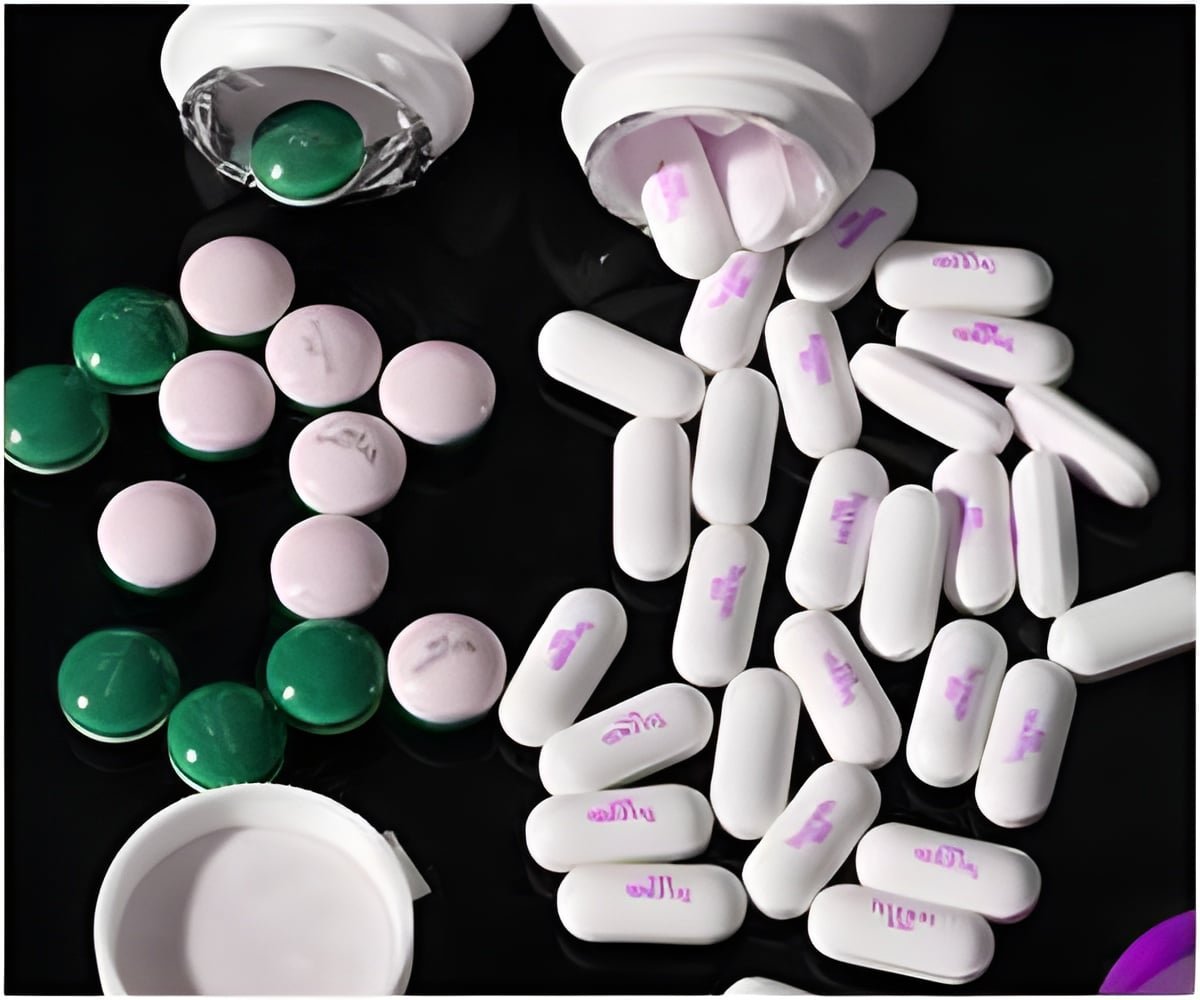
Wasted medicines in England amount to enough to fill 75 swimming pools yearly, as reported by the NPA.
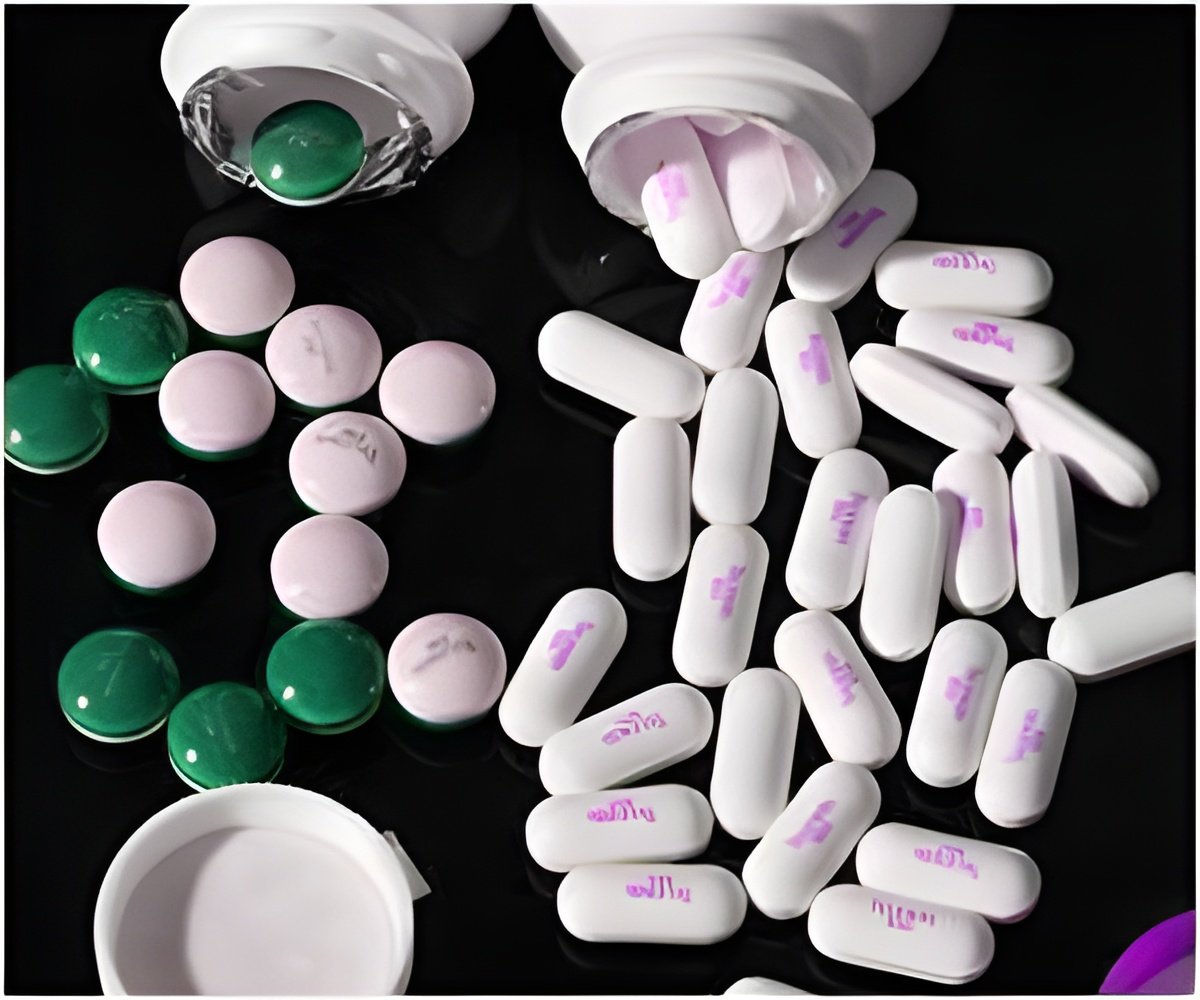
In an analyzed data from 2024-25, the National Pharmacy Association (NPA) estimated that in England (UK) there are 3,400 tonnes of partly used medicines discarded, which is roughly equal to 75 swimming pools’ volumes, and their NHS cost is at least £480 million per year, estimated (1✔ ✔Trusted Source
Safe management of pharmaceutical waste from health care facilities: global best practices
).
Advertisement
Why Are Medicines Being Wasted?
According to NPA, over-ordering is the major reason for wasted medicines.
NPA chair Olivier Picard said that the sums “could be invested in better services for patients,” and cited “environmental and health consequences… we can do much more to tackle this growing problem”.
Mr Picard added: “We are urging patients only to request medicines if they really need them when ordering repeat prescriptions.
“As well as this, patients who are prescribed multiple medicines should have these more regularly reviewed to ensure they are being fully utilised.
“If a patient has any concerns about their medicines, they should speak to their pharmacist, who can help them get the most out of their medicines.”
Advertisement
Medicines Waste Is Also a Patient Safety Concern
The NPA represents some 6,000 independent community pharmacies in the UK, and is calling for patients with several repeat prescriptions to have more reviews so medicines that are no longer needed can be identified.
It also urged the public not to “over order” medicine and only have a repeat prescription when needed. Patients can also refer to Drug Information Database for information about medicines.
Commenting, Dr Rasha Abdelsalam Elshenawy, senior lecturer in postgraduate medicine at the University of Hertfordshire, said: “Medicines waste isn’t only a financial and environmental problem – it’s a patient safety and resistance problem.
“Leftover antibiotics kept at home are often taken later without medical advice, which fuels antimicrobial resistance, one of the biggest threats to modern medicine.
“Regular medication reviews and only ordering what is needed protect patients, the NHS and the environment.”
An NHS England spokesperson said: “The NHS has taken action to ensure people can better manage their prescriptions on their mobile phones through the NHS app, including repeat prescriptions.
“We know there is more to do, which is why several local NHS services are running campaigns to reduce medicines waste, alongside wider efforts to optimise medicines use that have also seen the total number of dependency-forming medications prescribed fall over the last decade.”
Advertisement
Medicines Waste Comes Amid NHS Drug Shortages
It comes after patients and pharmacists have struggled in recent years with medicine shortages, with Community Pharmacy England (CPE) reporting more than 1,500 shortages across the country between May 2024 and April 2025.
In a meeting with MPs this week, the CPE’s Dr James Davies said pressures are persisting this year, increasingly due to economic factors, as well as manufacturing and supply chain issues.
He added in a statement on the CPE’s website that “community pharmacy teams, as the front door to the NHS, continue to shoulder the impact” of medicine shortages.
Dr Davies said that “it is deeply concerning that little meaningful progress for patients has been made” – and noted a recent survey from the CPE “found that 86% of pharmacies are spending more time sourcing medicines than they did a year ago, with 72% of pharmacy team members reporting that patients are affected by medicines shortages on a daily basis”.
He added: “These findings underline the urgent need for reform of the medicines supply system.
“At a minimum, the government must deliver on its commitment to introduce pharmacist flexibilities, enabling pharmacists to make appropriate amendments to prescriptions and help mitigate the impact of shortages on patients.”
Conclusion
The scale of medicine waste in England highlights a growing financial, environmental, and patient-safety concern.
With thousands of tonnes of partly used medicines being discarded each year, experts and health authorities are calling for better prescription management and regular medication reviews. Reducing unnecessary medicine waste could help save valuable NHS resources while promoting safer and more responsible use of medicines.
References:
- Safe management of pharmaceutical waste from health care facilities: global best practices
– (https://www.who.int/publications/i/item/9789240106710) - Global patterns and determinants of household medicine storage and disposal: a systematic review and meta-analysis
– (https://pubmed.ncbi.nlm.nih.gov/41574325/) - Prevalence and Predictors of Storage of Unused Medicines among Households in Northwestern Ethiopia
– (https://pubmed.ncbi.nlm.nih.gov/32300369/)
Source-Medindia