

3 min readThiruvananthapuramUpdated: Aug 7, 2026 06:01 AM IST
Celebrated for its wildlife-rich forests, hills and coffee plantations, Kerala’s Wayanad district has, of late, been witness to extreme weather events.
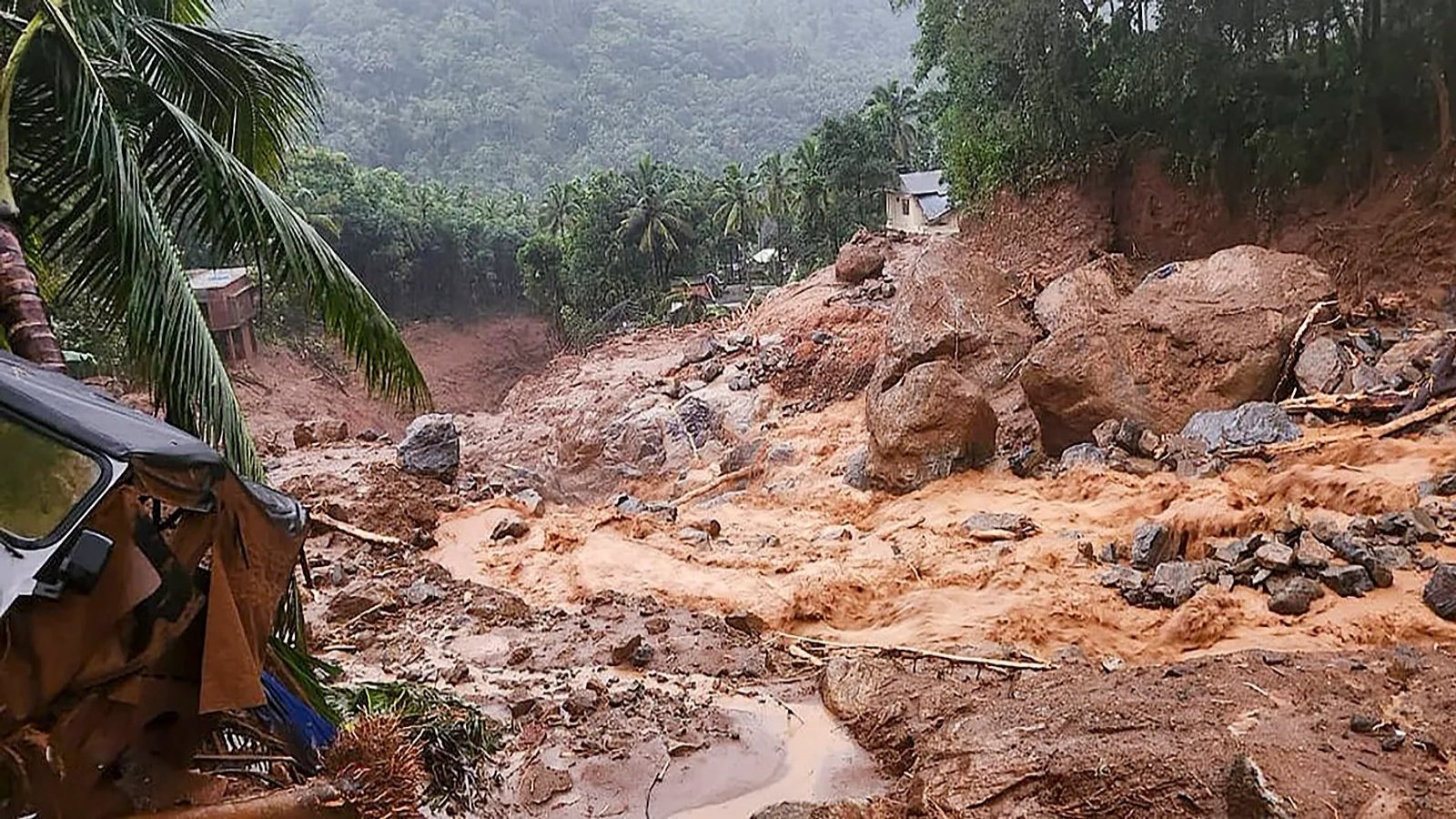
In July 2024, 298 people were killed when a series of landslides struck the hilly areas near Meppadi in the district. Less than two years later, the district was struck again on July 7 this year when seven persons were killed in a landslide near the site of the under-construction Kozhikode–Wayanad twin tunnel project.

Now, to help forecast extreme weather occurrences, and allow authorities as well as the residents to make necessary preparations, an X-band doppler weather radar (DWR) will come up in the district – a development expected to benefit neighbouring areas as well.
The radar will be commissioned in Wayanad by December this year, the India Meteorological Department (IMD) said on Thursday. The project will come up at Pulpally, where Pazhassi Raja College has provided the land for the purpose.
IMD Thiruvananthapuram centre director Neetha Gopal said, “Once commissioned, the DWR will strengthen weather observations over Wayanad and nearby areas, enabling more accurate and timely weather forecasts and early warning to support the disaster management authority, the district administration and the public.”
Gopal said, “X-band DWR will provide high-resolution weather surveillance, covering a radius of 100 km with Pulpally as the centre of coverage. It will be manned and operated by technical and meteorological personnel of the IMD.”
Kinds of weather radar
Essentially, there are three types of weather radars. While the S-band radar provides a radial coverage of 400 km, C-band and X-band provide coverage of 250 km and 100 km, respectively. The X-band radars are meant for high-resolution monitoring of local climate events such as cloudbursts, flash floods and thunderstorms.
Story continues below this ad
At present, most parts of Kerala are covered by the radar network, including the S-band DWR at IMD Kochi and the C-band DWR at ISRO Thiruvananthapuram.
Referring to the plan for installation of the X-band DWR in Wayanad, the Union Minister of State for Earth Sciences, Dr Jitendra Singh, had said in Rajya Sabha in February: “There are some gaps in the radar coverage of the current network of DWRs, mainly over the coastal and hilly regions of Kerala, including Wayanad and Idukki.’’
With the radar observations, forecasters can follow the development of weather systems as well as their varying intensities, and accordingly, predict weather events and their impact.