

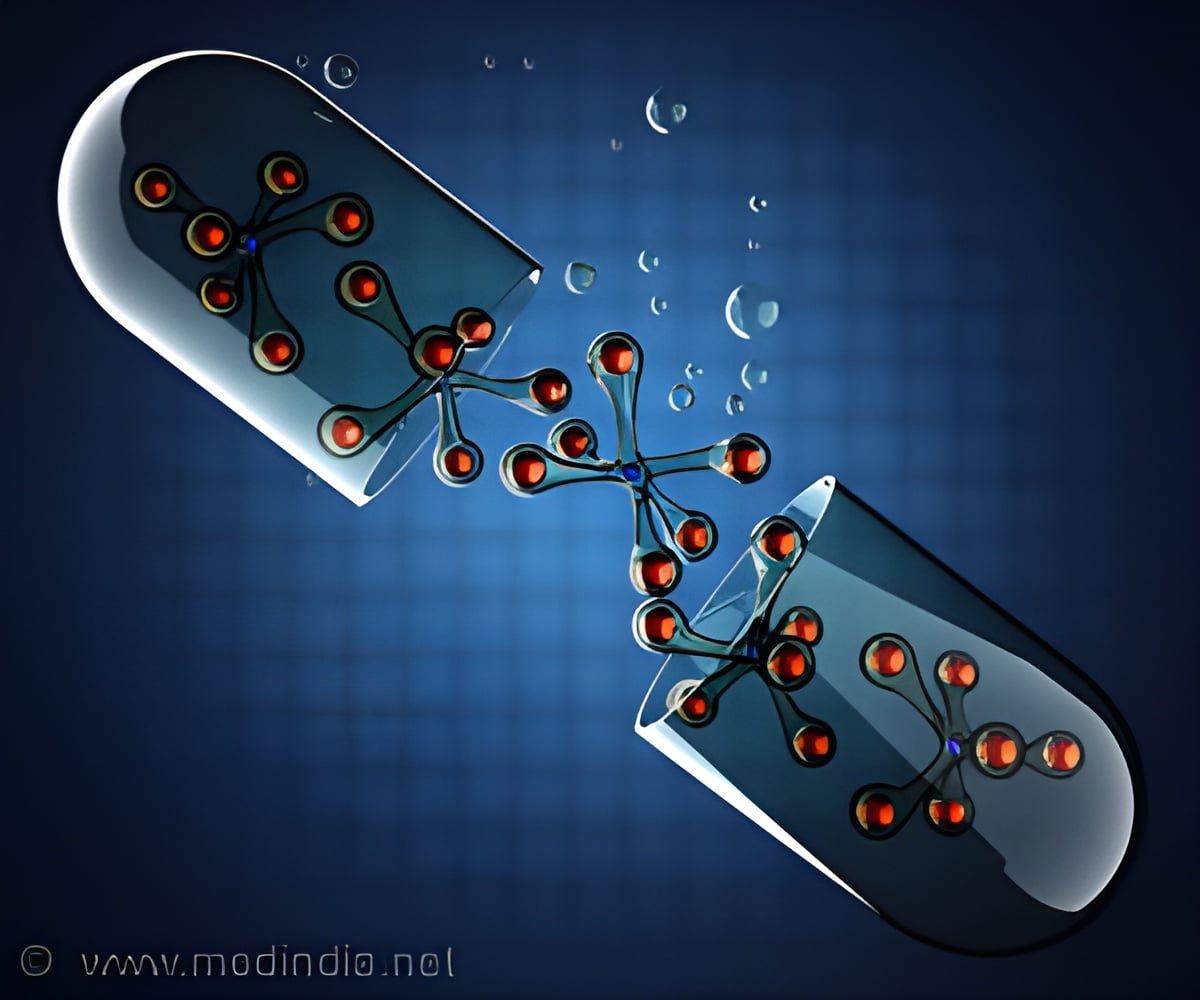
Therapeutic peptides are transforming modern medicine through smarter design, greater precision, and expanding clinical applications.
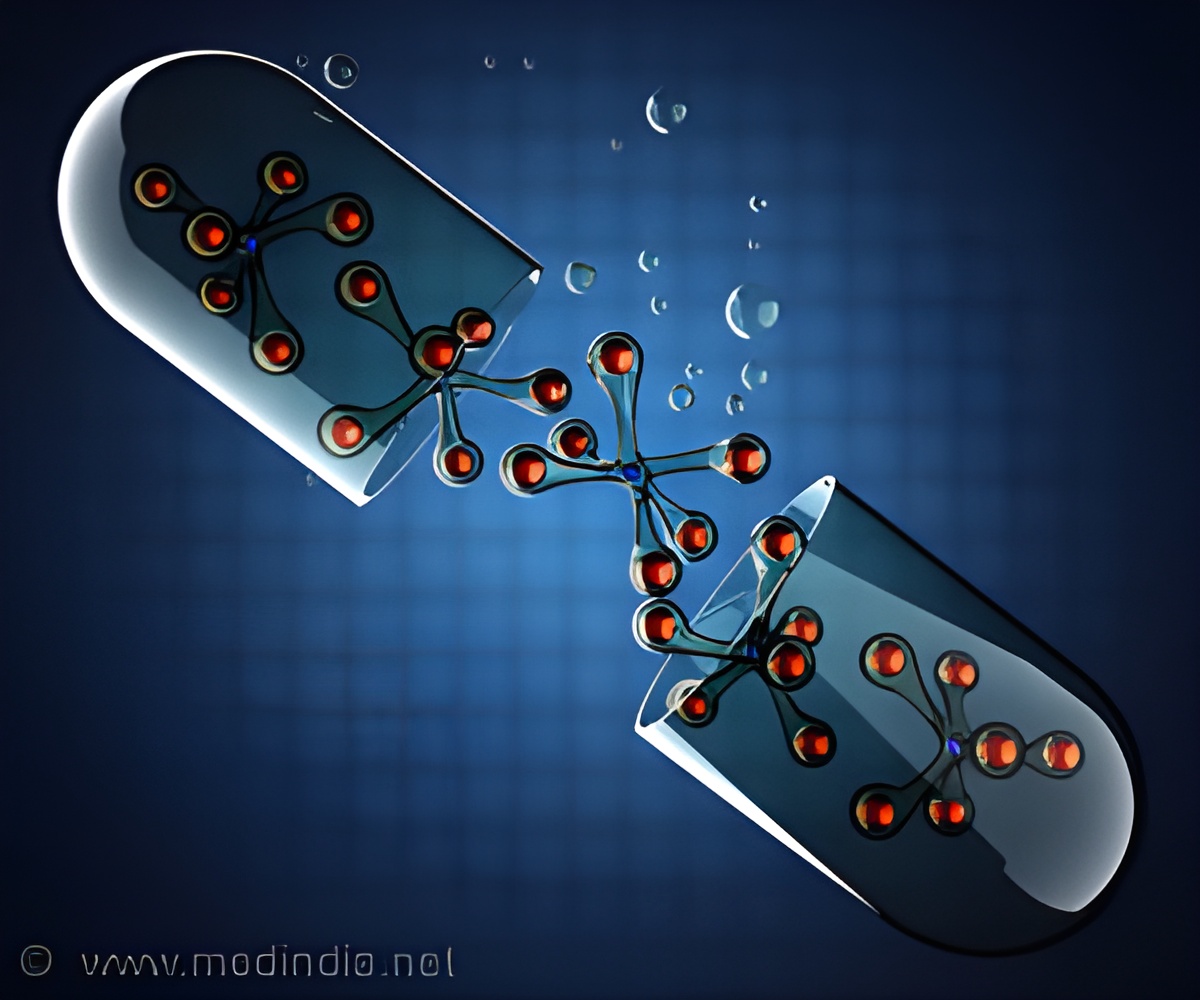
- Therapeutic peptides are expanding treatment options across multiple diseases
- Peptide drugs offer highly targeted treatment with improved precision
- Precision medicine is advancing through smarter peptide design and delivery
The growing popularity of peptide-based treatments has sparked widespread public interest, but therapeutic peptides are far more than a passing health trend. A review article published in the Nature Portfolio journal Signal Transduction and Targeted Therapy highlights how decades of advances in peptide discovery, production, and drug design have transformed these naturally inspired molecules into an expanding class of medicines for conditions ranging from diabetes and obesity to cancer and infectious diseases (1✔ ✔Trusted Source
Therapeutic peptides: current applications and future directions
).
More than 80 peptide drugs have already been approved worldwide, with over 170 peptide candidates currently undergoing clinical development. The review also notes that peptide therapeutics generated more than US$70 billion in global sales in 2019, reflecting their growing role in modern healthcare. Therapeutic peptides are generally short chains of amino acids with molecular weights between 500 and 5,000 Daltons. Advances in peptide engineering and drug delivery have accelerated the development of newer peptide medicines over the past two decades.
Whether it is someone taking a weekly GLP-1 injection to manage diabetes or a patient receiving hormone-based therapy for prostate cancer, many people are already benefiting from medicines that originated from peptide research.
Advertisement
What Are Therapeutic Peptides and How Do They Work?
Therapeutic peptides are short chains of amino acids designed to interact with highly specific biological targets. Because they closely resemble naturally occurring molecules in the body, they can regulate important physiological processes with remarkable precision.
According to Lei Wang and colleagues, “Peptides have become a unique class of therapeutic agents in recent years as a result of their distinct biochemical characteristics and therapeutic potential.”
Many approved peptide medicines were originally developed by studying natural hormones, including:
- Insulin for diabetes
- GLP-1-based therapies for type 2 diabetes
- Gonadotropin-releasing hormone (GnRH) analogues for hormone-related conditions
- Oxytocin-derived medicines used in obstetric care
Researchers have also discovered valuable peptide candidates from natural sources such as bacteria, fungi, marine organisms, plants, and animal venoms.
Advertisement
Why Therapeutic Peptides Are Becoming Important Medicines
Compared with conventional small-molecule drugs and larger biologic medicines, therapeutic peptides combine several useful characteristics.
Some of their major advantages include:
- High target specificity
- Lower risk of unwanted interactions with unrelated tissues
- Lower immunogenicity than many biologic therapies
- Easier chemical modification to improve stability and performance
- Ability to target biological pathways that are difficult for conventional drugs
- Generally associated with lower toxicity because of their high target selectivity
These features have made peptide medicines valuable across multiple medical specialties while also encouraging researchers to develop newer peptide-based treatments.
Advertisement
How Therapeutic Peptides Are Used to Treat Different Diseases
The review highlights the expanding role of therapeutic peptides in treating numerous diseases.
Current and emerging applications include:
- Type 2 diabetes
- Obesity
- Cancer
- Cardiovascular diseases
- Chronic pain
- HIV infection
- Osteoporosis
- Digestive disorders
- Rare genetic diseases
One of the best-known examples is the development of GLP-1 receptor agonists. Scientists modified the natural GLP-1 hormone to remain active in the body for longer, helping improve blood sugar control while increasing satiety.
In cancer care, therapeutic peptides are also being investigated for tumour imaging, targeted drug delivery, cancer vaccines, and precision therapies that selectively recognise cancer cells.
What Challenges Limit Therapeutic Peptides?
Despite their success, peptide medicines still face important limitations.
The review identifies two major challenges:
- Poor stability because naturally occurring enzymes rapidly break down peptides
- Limited ability to cross cell membranes, restricting access to many intracellular targets. As a result, many peptide medicines cannot easily reach targets located inside cells.
These limitations often shorten the drug’s half-life and explain why many peptide medicines are still administered by injection rather than as tablets.
To overcome these barriers, researchers are developing improved production methods and advanced chemical modifications such as cyclization (forming stable ring-shaped peptides), PEGylation, lipidation, recombinant production, and innovative drug delivery systems that improve stability and absorption.
The Future of Therapeutic Peptides Looks Increasingly Promising
The story of therapeutic peptides reflects how medicine continues to build on nature rather than replace it. What began with hormone replacement therapies like insulin has evolved into a sophisticated field where naturally occurring molecules can be redesigned to tackle increasingly complex diseases. As peptide engineering, manufacturing, and drug delivery continue to advance, these medicines are becoming versatile building blocks that bridge the gap between conventional drugs and biologics, opening possibilities that were difficult to achieve just a few decades ago. Researchers are also exploring oral peptide formulations, long-acting injectable medicines, and artificial intelligence-assisted peptide design to expand future treatment options.
Therapeutic peptides continue to expand the possibilities of precision medicine by combining natural biology with modern drug design. As research progresses, they may offer safer and more targeted treatment options for a growing range of diseases.
Reference:
- Therapeutic peptides: current applications and future directions – (https://www.nature.com/articles/s41392-022-00904-4)
Source-Medindia