

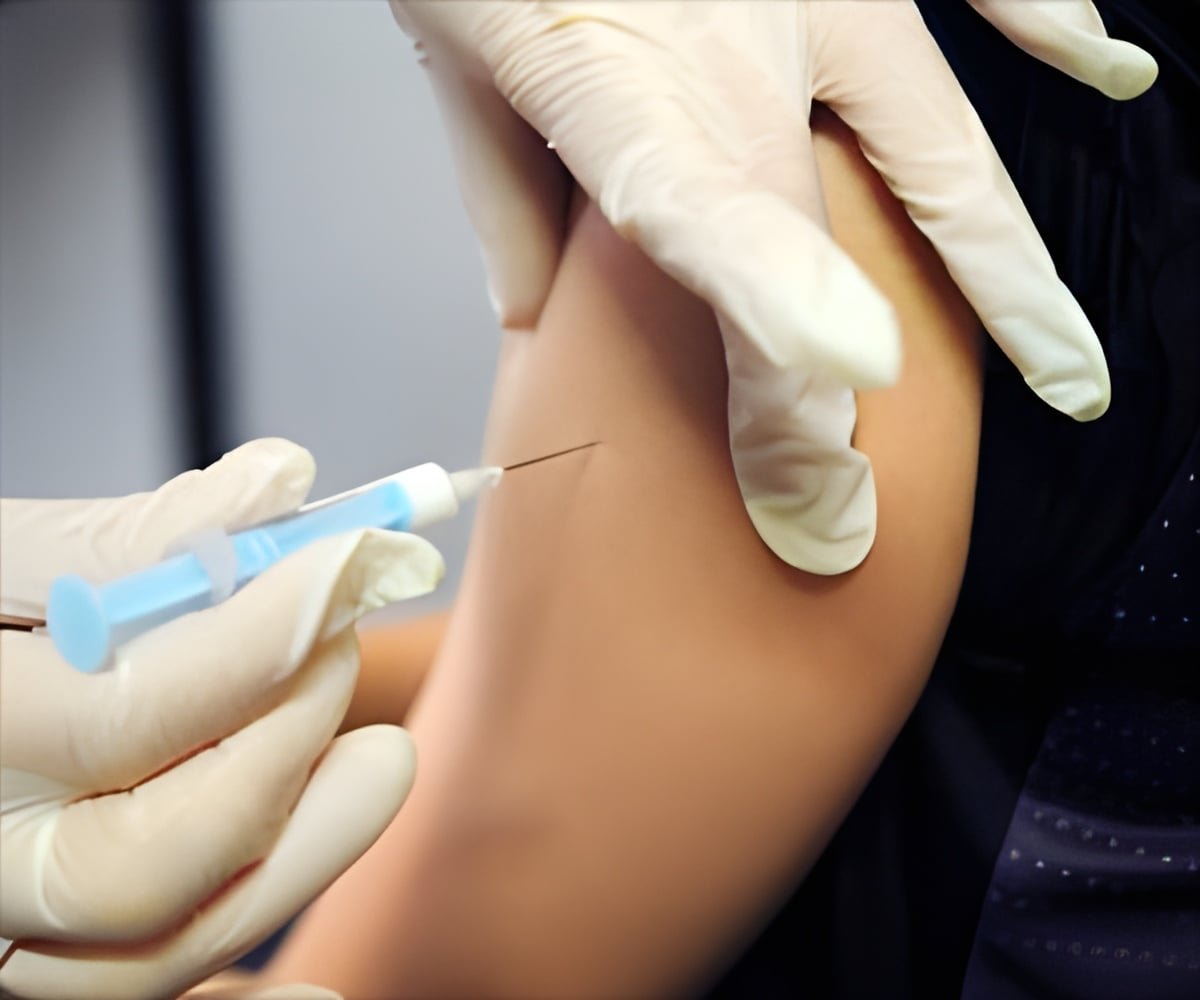
The Delhi High Court has allowed India’s HPV vaccination campaign to continue while keeping questions about informed consent, safety evidence and monitoring open for further examination.
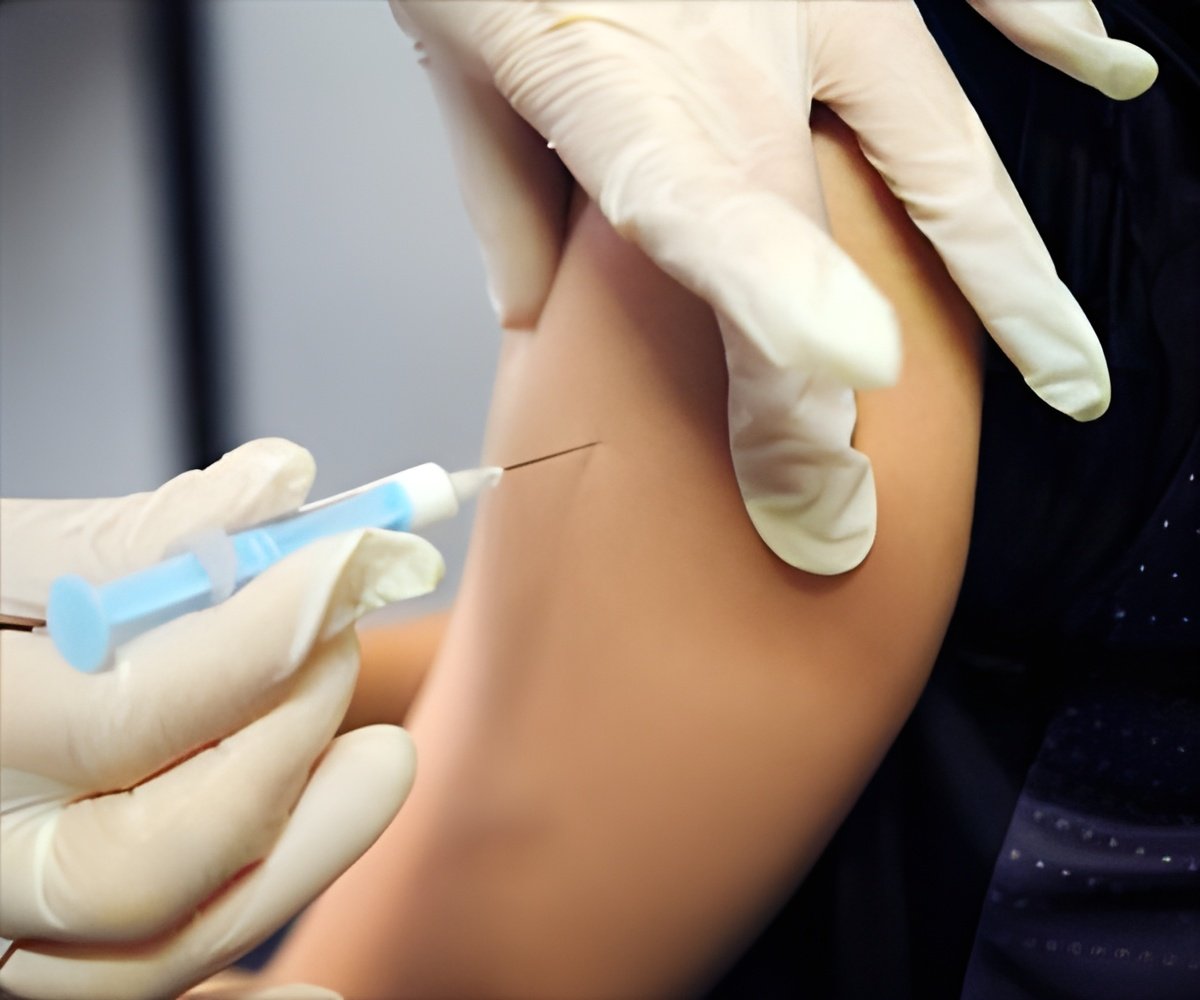
India’s nationwide human papillomavirus vaccination campaign will continue after the Delhi High Court declined to grant an interim stay sought through a public interest litigation.
The petition challenges the rollout of the HPV vaccine for adolescent girls and raises questions about long-term safety, scientific justification, informed parental consent and the monitoring of adverse events following immunization.
A Division Bench comprising Chief Justice D.K. Upadhyaya and Justice Tejas Karia found no sufficient basis to stop the campaign at this stage. Reports on the July 29 hearing said the court observed that no “immediate harm” had been demonstrated to justify an interim suspension.
However, the Bench did not dismiss the petition or deliver a final ruling on the programme’s safety or legality. It directed the Center and relevant research, regulatory and immunization bodies to file detailed replies explaining the justification for introducing the vaccine.
Advertisement
Interim Order Is Not a Final Endorsement
The decision allows vaccination to continue while the legal challenge remains pending.
The court’s refusal to grant an interim stay should not be interpreted as a final judicial declaration that every concern raised in the petition is unfounded. The scientific evidence supporting the programme, its consent procedures and its adverse-event reporting system will remain under examination during subsequent hearings.
At an earlier hearing on July 22, the Bench described the questions raised by the petition as important because the campaign concerns adolescent girls across the country.
The court said it was not questioning the government’s intentions but stressed that reports of adverse events required careful evaluation. It consequently sought responses from the Ministry of Health and Family Welfare, the Indian Council of Medical Research and the Central Drugs Standard Control Organization.
Advertisement
Petition Raises Consent and Monitoring Concerns
The PIL was filed by gynecologist Dr Sujata Mittal and health entrepreneur Jitendra Chouksey.
The petitioners allege that the vaccination programme may affect the rights of adolescent girls to bodily autonomy, personal liberty and informed consent. They have cited Articles 19 and 21 of the Constitution while seeking greater transparency around the campaign.
The plea claims that vaccination is being facilitated through schools and public health facilities without consistently obtaining adequate informed parental consent.
It also alleges that frontline health workers have been given enrolment targets, which could create pressure to secure participation. These remain allegations made by the petitioners and have not been accepted as established findings by the court.
The petition additionally refers to individual medical events reported after vaccination and asks the government to disclose detailed safety and causality-assessment data.
An adverse event following immunization, or AEFI, is any medical occurrence reported after vaccination. Its timing alone does not prove that the vaccine caused the event; a formal investigation is required to determine whether a causal relationship exists.
Advertisement
Center Defends HPV Vaccination Programme
Representing the Union government, Additional Solicitor General Chetan Sharma reportedly told the court that HPV vaccines have been administered to more than 55 crore people worldwide and are used in nearly 160 countries.(1✔ ✔Trusted Source
Delhi HC declines to stay HPV vaccination drive, seeks Centre’s reply
)
The Center also submitted that more than 55 lakh doses had been given in India. Around 120 recipients reportedly experienced minor events such as headache or nausea, the court was told.
These figures were presented by the government during the hearing and will form part of the material examined as the case continues. The court has asked the authorities to provide separate and detailed responses rather than relying only on oral submissions.
Official government data show that India launched the nationwide HPV vaccination campaign on February 28, 2026. Approximately 1.2 crore girls aged 14 were identified as eligible across all 36 states and Union Territories.
Vaccination is provided free at designated government facilities, including primary and community health centers, district hospitals and government medical colleges.
HPV Vaccination Targets Cervical Cancer
Human papillomavirus is a group of approximately 200 viruses transmitted mainly through intimate skin-to-skin and sexual contact.
Most
Almost all
Human papillomavirus and cancer
HPV types 16 and 18 are responsible for approximately 70% of cervical cancers. Vaccines are most effective when administered before exposure to the virus.
The World Health Organization recommends HPV vaccination as a priority for girls aged nine to 14. Depending on age and immune status, the vaccine may be administered in one or two doses, while immunocompromised individuals may need additional doses.
Vaccination prevents new infections but does not treat an existing HPV infection. Cervical screening remains necessary later in life because no vaccine protects against every cancer-causing HPV type.
Safety Evidence and Surveillance Remain Important
The WHO’s Global Advisory Committee on Vaccine Safety has repeatedly reviewed data on HPV vaccines and considers them to have a strong safety profile.(1✔ ✔Trusted Source
Delhi HC declines to stay HPV vaccination drive, seeks Centre’s reply
)
Common short-term reactions to vaccination may include pain or swelling at the injection site, headache, dizziness, nausea or fainting. Severe allergic reactions are possible but rare.(1✔ ✔Trusted Source
Delhi HC declines to stay HPV vaccination drive, seeks Centre’s reply
Large safety reviews have not established causal links between HPV vaccination and several long-term conditions that have been attributed to the vaccine in case reports.
Established global safety evidence does not remove the need for transparent monitoring. A national campaign must still provide clear information, obtain appropriate consent, investigate serious medical events and publish safety findings in a way that allows independent assessment.
The Delhi High Court will continue examining whether India’s rollout meets these requirements while the vaccination programme remains in operation.
References:
- Delhi HC declines to stay HPV vaccination drive, seeks Center’s reply- (https://www.thehindu.com/news/cities/Delhi/delhi-hc-declines-to-stay-hpv-vaccination-drive-seeks-centers-reply/article71282717.ece)
- Human papillomavirus and cancer- (https://www.who.int/news-room/fact-sheets/detail/human-papilloma-virus-and-cancer)
Source-Medindia