

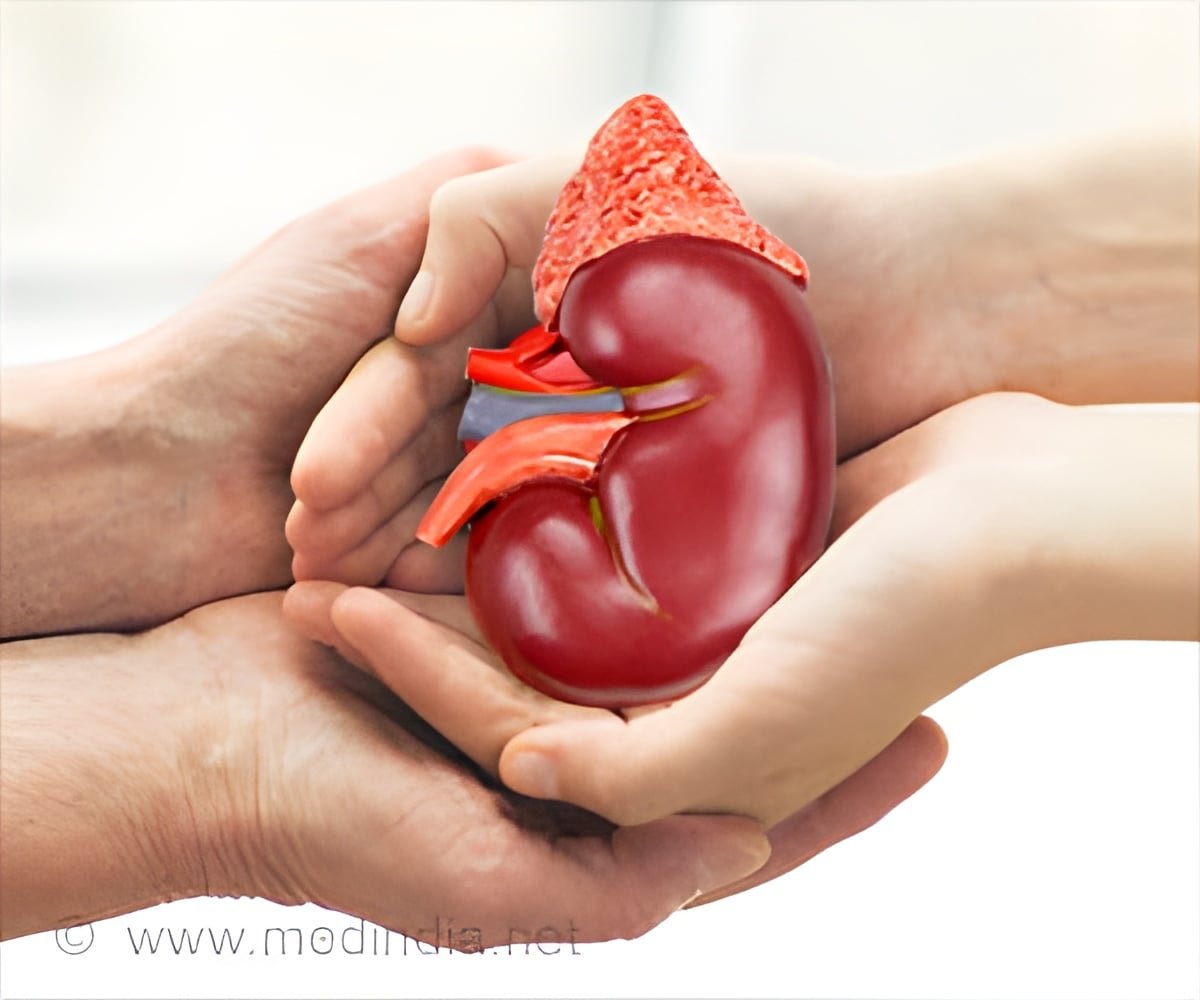
A new study suggests early remdesivir may help protect transplanted kidneys and reduce heart complications after COVID-19.
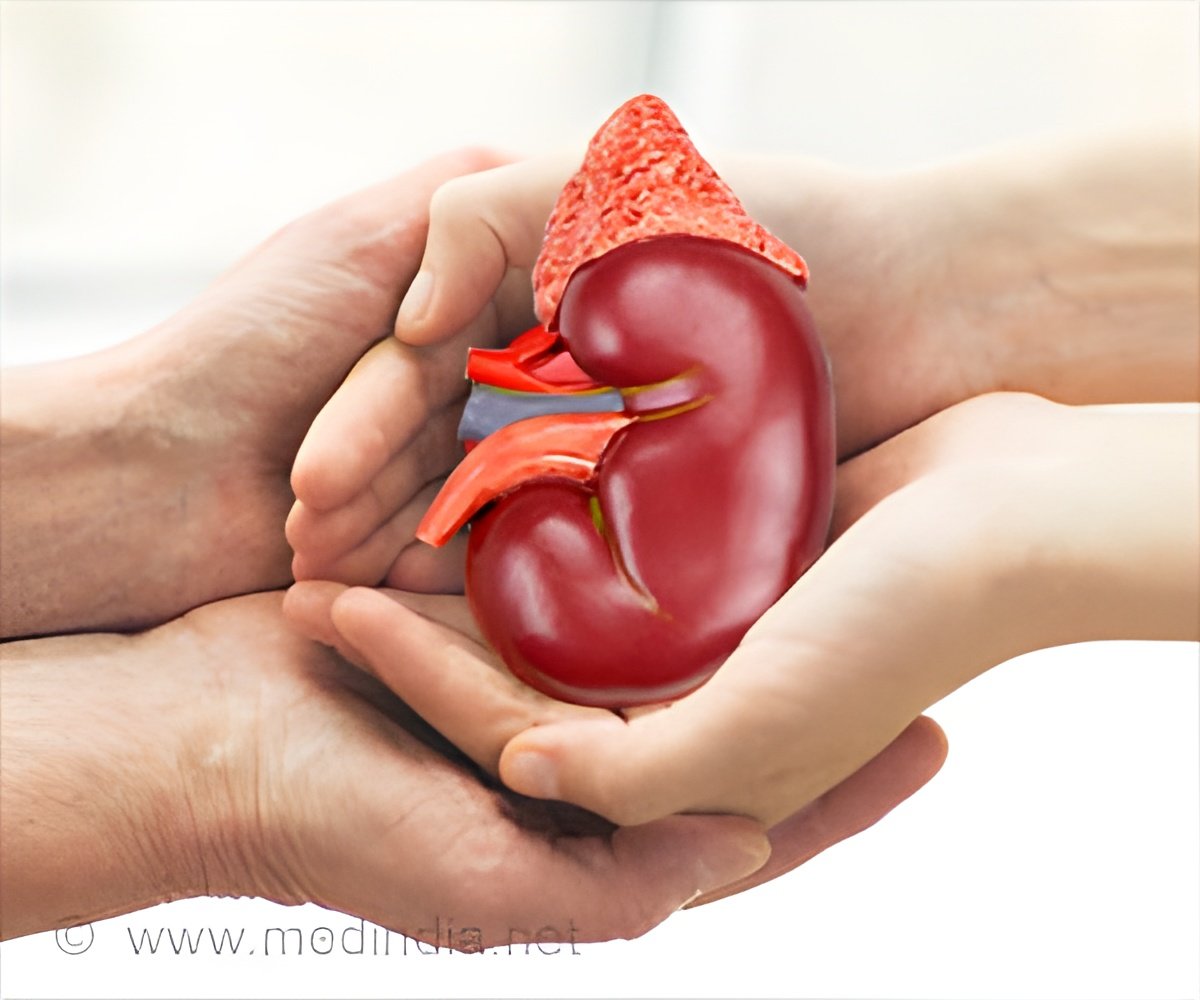
- Early Remdesivir was linked to lower risks of kidney transplant failure and heart complications
- Treatment was started within seven days of COVID-19 diagnosis
- The findings support prompt antiviral therapy for kidney transplant recipients
Early treatment with Remdesivir may offer lasting benefits for kidney transplant recipients who develop COVID-19.
A large study published in JAMA Network Open found that patients who received the antiviral within a week of diagnosis were less likely to lose their transplanted kidney or develop major heart complications during the following year (1✔ ✔Trusted Source
Remdesivir and All-Cause Graft Loss Among Kidney Transplant Recipients With Symptomatic COVID-19
).
The findings strengthen growing evidence that prompt antiviral treatment, alongside careful management of immunosuppressive medicines, may improve long-term outcomes in one of the most vulnerable groups of patients.
Advertisement
Can Early Remdesivir Protect Kidney Transplants After COVID-19?
Kidney transplant recipients face a high risk of serious complications after COVID-19 because their immune systems are deliberately weakened to prevent organ rejection.
New evidence suggests that treating the infection early with remdesivir may help protect not only against the immediate illness but also against long-term damage to the transplanted kidney and heart.
The findings support the idea that timely antiviral therapy could become an important part of post-transplant COVID-19 care, although further clinical trials are still needed.
The study’s major findings are summarized below.
Advertisement
Early Remdesivir Improved Long-Term Outcomes in Kidney Transplant Recipients
| Key Aspect | Finding | Why It Matters |
|---|---|---|
| Study population | 432 adult kidney transplant recipients | One of the largest long-term studies in this patient group |
| Early treatment | Remdesivir started within 7 days for at least 3 consecutive days. | Highlights the importance of timely antiviral therapy |
| Kidney transplant survival | 47% lower risk of graft loss | Suggests better long-term protection of the transplanted kidney |
| Heart health | 42% lower risk of major cardiovascular events | Indicates benefits may extend beyond COVID-19 recovery |
| Overall survival | No statistically significant reduction in deaths | More research is needed to confirm survival benefits |
| Long COVID | Too few documented cases for clear conclusions | The long-term effect on persistent symptoms remains uncertain |
| Follow-up | Patients monitored for up to 1 year | Shows benefits may continue well after the infection has resolved |
Advertisement
Why Are Kidney Transplant Recipients More Vulnerable to COVID-19?
The findings are especially important because kidney transplant recipients are already at high risk of severe COVID-19. According to a study, lifelong immunosuppressive medicines make these patients more vulnerable to severe SARS-CoV-2 infection and poorer outcomes (2✔ ✔Trusted Source
SARS-CoV-2 infection in kidney transplant recipients: clinical impact and outcomes – a single center experience
).
The same study found high rates of hospitalization, acute kidney injury (AKI), intensive care admission, and mortality among hospitalized kidney transplant recipients, highlighting how severely COVID-19 can affect this group.
Meanwhile, another review noted that balancing immunosuppressive medicines during infection is essential to control the virus while protecting the transplanted kidney (3✔ ✔Trusted Source
COVID-19 in Kidney Transplant Recipients: What Did We Understand After Three Years Since the Pandemic Outbreak in Kidney Transplant Recipients?
These risks help explain why the latest study found better long-term kidney and heart outcomes when remdesivir was started early after COVID-19 diagnosis.
Factors that increase COVID-19 risk in kidney transplant recipients include:
- Lifelong immunosuppressive therapy, which weakens the body’s ability to fight infections.
- Common underlying conditions, including hypertension, diabetes, and cardiovascular disease, which were frequently reported in both the Portuguese study and the latest study.
- Higher risk of acute kidney injury (AKI) and hospitalization during COVID-19.
- The need to carefully adjust immunosuppressive medicines while treating the infection to protect both the patient and the transplanted kidney.
- Inflammation and blood vessel injury caused by COVID-19, which may contribute to kidney and heart complications, according to the biological explanation proposed by the latest study.
How Could Early Remdesivir Protect the Heart and Kidney?
Researchers believe remdesivir works best when given early because it slows the virus before it causes widespread inflammation.
Lower viral activity may reduce injury to blood vessels, decrease harmful blood clot formation, and limit the inflammatory response that can damage both the transplanted kidney and the cardiovascular system.
The researchers suggest these biological effects may explain why patients receiving early remdesivir experienced fewer cases of graft loss and cardiovascular complications over the following year.
However, because the study was observational, they emphasize that randomized clinical trials are still needed to confirm these long-term benefits.
What Did Earlier Studies Reveal About Remdesivir Use?
Before the latest findings, several studies had already examined how remdesivir and COVID-19 were managed in kidney transplant recipients.
Together, they showed that the antiviral was generally safe, while also highlighting the need for careful adjustment of immunosuppressive medicines and close monitoring during infection.
What Earlier Studies Showed
| Source | Main Finding |
|---|---|
| Kidney International Reports (4✔ ✔Trusted Source Use and Safety of Remdesivir in Kidney Transplant Recipients With COVID-19 ) |
Remdesivir was generally safe and well tolerated in kidney transplant recipients. |
| Jornal Brasileiro de Nefrologia | COVID-19 caused high rates of hospitalization, AKI and death; patients receiving remdesivir were more likely to survive. |
| Current Transplantation Reports | Individualized immunosuppression management, together with antiviral therapy, helped preserve graft function. |
These findings provide important clinical support for the latest evidence that early remdesivir treatment may improve long-term kidney transplant outcomes after COVID-19.
How Is COVID-19 Treated in Kidney Transplant Recipients?
Treating COVID-19 after a kidney transplant involves more than prescribing antiviral medicines. According to a study, doctors carefully balance infection control with the need to protect the transplanted kidney by adjusting immunosuppressive medicines based on the patient’s condition.
The review outlines the key treatment strategies used during COVID-19 infection:
Key Approaches to Managing COVID-19 in Kidney Transplant Recipients
| Treatment | Purpose |
|---|---|
| Early antiviral therapy | Controls viral replication before severe complications develop |
| Temporary reduction of anti-metabolite drugs | Helps the immune system fight the infection |
| Adjustment of other immunosuppressants (if needed) | Reduces infection risk while protecting the transplanted kidney |
| Higher corticosteroid doses in severe illness | Controls excessive inflammation |
| Regular kidney function monitoring | Detects acute kidney injury and supports graft survival |
What Challenges Do Kidney Transplant Recipients Still Face After COVID-19?
Despite advances in treatment, COVID-19 continues to pose serious risks for kidney transplant recipients. A study showed that severe illness and kidney-related complications remained common, emphasizing the need for early treatment and close monitoring.
The study highlighted several major challenges:
Frequently Asked Questions
Q: Why are kidney transplant recipients at higher risk from COVID-19?
A: They take lifelong immunosuppressive medicines to prevent organ rejection, making them more vulnerable to severe infections and related complications.
Q: How did remdesivir benefit kidney transplant recipients in this study?
A: Patients who received remdesivir within seven days of COVID-19 diagnosis had significantly lower risks of transplant failure and major cardiovascular events over the following year.
Q: Does remdesivir improve survival after COVID-19?
A: The study did not find a statistically significant reduction in overall deaths, and further research is needed to confirm any survival benefit.
Q: Why is early treatment with remdesivir important?
A: Starting antiviral therapy early may reduce viral replication and inflammation before they cause lasting damage to the transplanted kidney and heart.
Q: Can kidney transplant recipients continue taking their immunosuppressive medicines during COVID-19?
A: Doctors may temporarily adjust immunosuppressive medicines depending on the severity of the infection while carefully protecting the transplanted kidney.
Q: What challenges do kidney transplant recipients still face after COVID-19?
A: They remain at higher risk of hospitalization, acute kidney injury, cardiovascular complications, and may require close monitoring even after recovering from the infection.
References:
- Remdesivir and All-Cause Graft Loss Among Kidney Transplant Recipients With Symptomatic COVID-19 – (https://jamanetwork.com/journals/jamanetworkopen/fullarticle/2852142)
- SARS-CoV-2 infection in kidney transplant recipients: clinical impact and outcomes – a single center experience – (https://pmc.ncbi.nlm.nih.gov/articles/PMC9518613/)
- COVID-19 in Kidney Transplant Recipients: What Did We Understand After Three Years Since the Pandemic Outbreak in Kidney Transplant Recipients? – (https://link.springer.com/article/10.1007/s40472-023-00414-4)
- Use and Safety of Remdesivir in Kidney Transplant Recipients With COVID-19 – (https://pmc.ncbi.nlm.nih.gov/articles/PMC8257403/)
Source-Medindia