

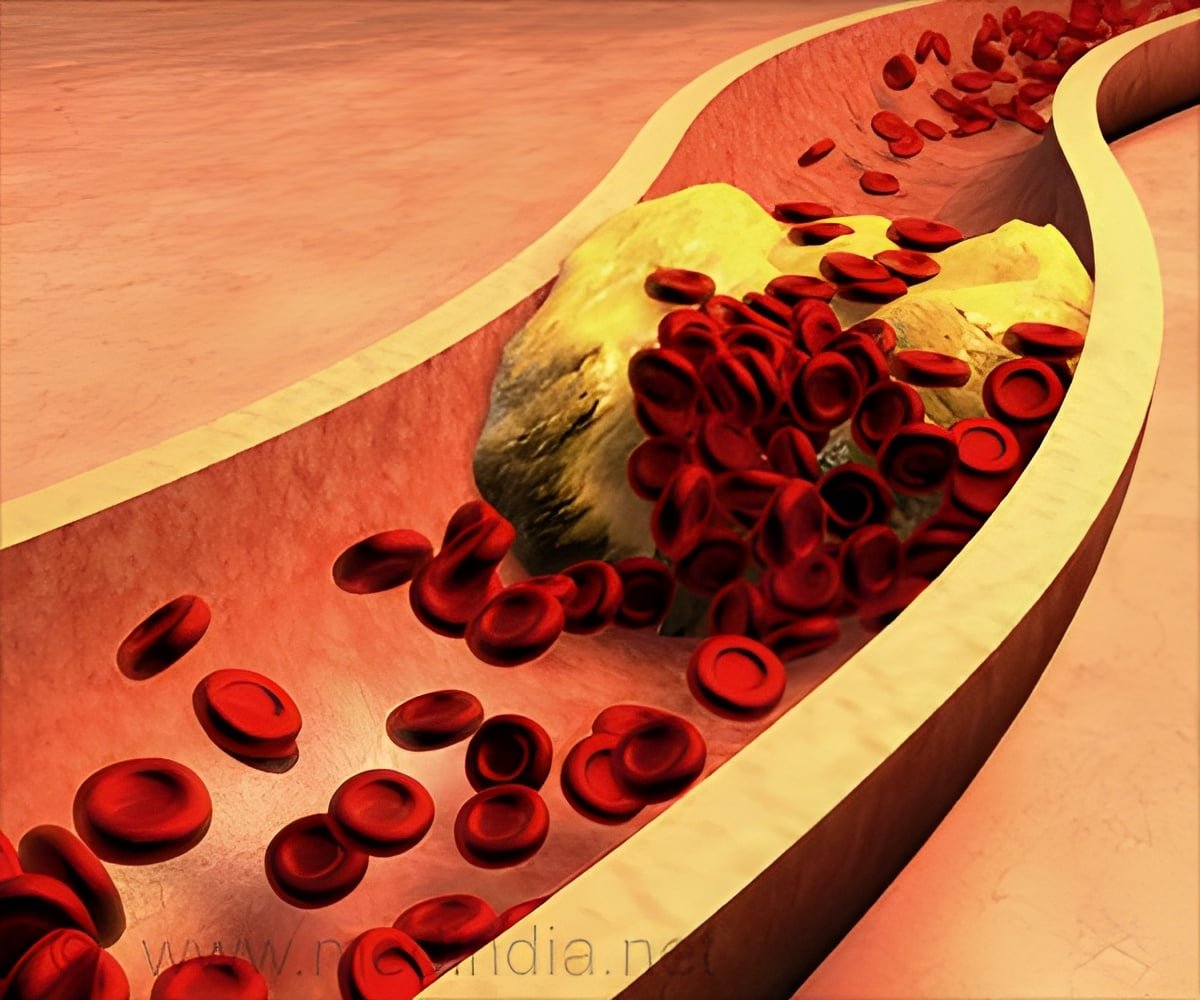
Cholesterol supports hormone production and cell function, while excess LDL cholesterol can contribute to cardiovascular disease.
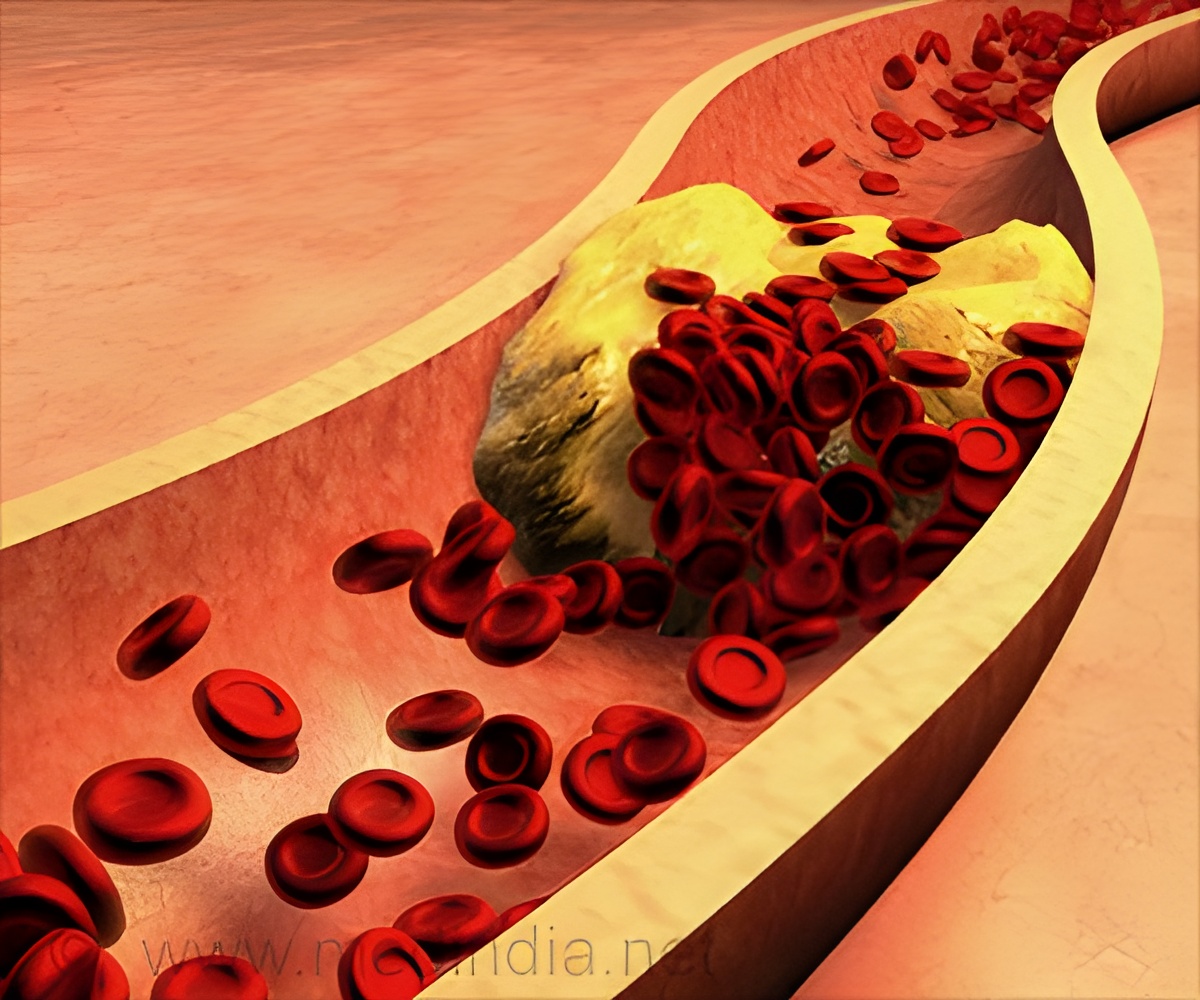
- Myth: “All cholesterol is bad” remains one of the most common health misconceptions worldwide
- Science Says: LDL cholesterol, HDL cholesterol, genetics, diet, and exercise all play important roles in cholesterol management
- Takeaway: Understanding high cholesterol myths can help people make better choices for lifelong heart health
Raised cholesterol contributes to an estimated 2.6 million deaths globally every year and remains one of the leading risk factors for heart disease and stroke worldwide (4✔ ✔Trusted Source
Cardiovascular diseases (CVDs)
). Yet, myths about cholesterol continue to influence how people eat, exercise, and seek medical care.
This Medindia Fact Check explores the most common misconceptions about high cholesterol and explains what current medical evidence says about maintaining healthy cholesterol levels.
For many people, the biggest question is simple: “What does this mean for me?” The answer is that understanding cholesterol can help reduce the risk of heart disease, regardless of age, body weight, or family history.
Advertisement
What Is Cholesterol? Understanding LDL, HDL, and Heart Health
Cholesterol is a waxy, fat-like substance found in every cell of the body. It is needed to produce hormones, vitamin D, and substances that help digest food. Problems arise when cholesterol levels become imbalanced over time.
Low-density lipoprotein (LDL) is often called “bad cholesterol” because elevated levels can build up inside arteries. High-density lipoprotein (HDL), or “good cholesterol,” helps remove excess cholesterol from the bloodstream (1✔ ✔Trusted Source
Low-density lipoproteins cause atherosclerotic cardiovascular disease. 1. Evidence from genetic, epidemiologic, and clinical studies. A consensus statement from the European Atherosclerosis Society Consensus Panel
Scientists have consistently found that elevated LDL cholesterol is a major contributor to atherosclerotic cardiovascular disease, which occurs when arteries become narrowed and hardened over time (1✔ ✔Trusted Source
Low-density lipoproteins cause atherosclerotic cardiovascular disease. 1. Evidence from genetic, epidemiologic, and clinical studies. A consensus statement from the European Atherosclerosis Society Consensus Panel
Advertisement
High Cholesterol Myths and Facts: A Quick Medical Guide
| Myth | Medical Fact |
|---|---|
| All cholesterol is bad. | The body needs cholesterol to function normally. Excess LDL is the main concern (2✔ ✔Trusted Source AHA/ACC/AACVPR/AAPA/ABC/ACPM/ADA/AGS/APhA/ASPC/NLA/PCNA Guideline on the Management of Blood Cholesterol: A Report of the American College of Cardiology/American Heart Association Task Force on Clinical Practice Guidelines ). |
| Eggs should be avoided. | Most healthy adults can consume eggs in moderation as part of a balanced diet (2✔ ✔Trusted Source AHA/ACC/AACVPR/AAPA/ABC/ACPM/ADA/AGS/APhA/ASPC/NLA/PCNA Guideline on the Management of Blood Cholesterol: A Report of the American College of Cardiology/American Heart Association Task Force on Clinical Practice Guidelines ). |
| Fat should be eliminated. | Healthy fats support heart health and should not be avoided completely (2✔ ✔Trusted Source AHA/ACC/AACVPR/AAPA/ABC/ACPM/ADA/AGS/APhA/ASPC/NLA/PCNA Guideline on the Management of Blood Cholesterol: A Report of the American College of Cardiology/American Heart Association Task Force on Clinical Practice Guidelines ). |
| Medications replace lifestyle changes. | Diet and exercise remain essential for cholesterol management (2✔ ✔Trusted Source AHA/ACC/AACVPR/AAPA/ABC/ACPM/ADA/AGS/APhA/ASPC/NLA/PCNA Guideline on the Management of Blood Cholesterol: A Report of the American College of Cardiology/American Heart Association Task Force on Clinical Practice Guidelines ). |
| Thin people cannot have high cholesterol. | Genetics can increase cholesterol levels regardless of body weight (3✔ ✔Trusted Source Familial hypercholesterolaemia is underdiagnosed and undertreated in the general population: guidance for clinicians to prevent coronary heart disease : Consensus Statement of the European Atherosclerosis Society ). |
Advertisement
High Cholesterol Myth #1: Is All Cholesterol Bad for Your Body?
One of the most persistent misconceptions is that all cholesterol is harmful. In reality, cholesterol performs several essential functions in the body. The concern lies in having too much LDL cholesterol and not enough HDL cholesterol over time.
Verdict: False. Cholesterol is essential for normal body function, but elevated LDL levels increase cardiovascular risk (1✔ ✔Trusted Source
Low-density lipoproteins cause atherosclerotic cardiovascular disease. 1. Evidence from genetic, epidemiologic, and clinical studies. A consensus statement from the European Atherosclerosis Society Consensus Panel
High Cholesterol Myth #2: Do Eggs Increase Cholesterol Levels?
Eggs have long been blamed for high cholesterol because they contain dietary cholesterol. However, current evidence suggests that saturated fats and trans fats have a greater effect on LDL cholesterol levels than moderate egg consumption in most healthy adults (2✔ ✔Trusted Source
AHA/ACC/AACVPR/AAPA/ABC/ACPM/ADA/AGS/APhA/ASPC/NLA/PCNA Guideline on the Management of Blood Cholesterol: A Report of the American College of Cardiology/American Heart Association Task Force on Clinical Practice Guidelines
).
Verdict: Misleading. Saturated and trans fats generally have a greater impact on cholesterol levels than eggs consumed in moderation (2✔ ✔Trusted Source
AHA/ACC/AACVPR/AAPA/ABC/ACPM/ADA/AGS/APhA/ASPC/NLA/PCNA Guideline on the Management of Blood Cholesterol: A Report of the American College of Cardiology/American Heart Association Task Force on Clinical Practice Guidelines
High Cholesterol Myth #3: Is a No-Fat Diet Good for Cholesterol?
Many people assume that eliminating all fats is the healthiest choice. However, the body requires healthy fats to function properly. Foods such as nuts, seeds, olive oil, and fatty fish contain unsaturated fats that support heart health.
Verdict: False. Healthy fats are an important part of a balanced, heart-friendly diet (2✔ ✔Trusted Source
AHA/ACC/AACVPR/AAPA/ABC/ACPM/ADA/AGS/APhA/ASPC/NLA/PCNA Guideline on the Management of Blood Cholesterol: A Report of the American College of Cardiology/American Heart Association Task Force on Clinical Practice Guidelines
High Cholesterol Myth #4: Can Cholesterol Medicines Replace a Healthy Lifestyle?
Cholesterol-lowering medicines, including statins, are highly effective for many people. However, they are intended to work alongside healthy lifestyle habits rather than replace them.
Regular exercise, nutritious eating, and avoiding tobacco remain important components of cholesterol management.
Verdict: False. Medicines work best when combined with healthy habits and regular medical follow-up (2✔ ✔Trusted Source
AHA/ACC/AACVPR/AAPA/ABC/ACPM/ADA/AGS/APhA/ASPC/NLA/PCNA Guideline on the Management of Blood Cholesterol: A Report of the American College of Cardiology/American Heart Association Task Force on Clinical Practice Guidelines
High Cholesterol Myth #5: Can Thin People Have High Cholesterol?
High cholesterol is not limited to people who are overweight. An inherited condition called familial hypercholesterolemia can cause very high LDL cholesterol levels from birth, even in individuals who are physically active and maintain a healthy weight (3✔ ✔Trusted Source
Familial hypercholesterolaemia is underdiagnosed and undertreated in the general population: guidance for clinicians to prevent coronary heart disease : Consensus Statement of the European Atherosclerosis Society
).
High cholesterol also usually develops silently, with no obvious symptoms. Many people only discover it during routine blood tests.
Verdict: False. Genetics can significantly affect cholesterol levels regardless of body weight (3✔ ✔Trusted Source
Familial hypercholesterolaemia is underdiagnosed and undertreated in the general population: guidance for clinicians to prevent coronary heart disease : Consensus Statement of the European Atherosclerosis Society
How to Lower High Cholesterol Naturally and Protect Your Heart
Maintaining healthy cholesterol levels is not about eliminating entire food groups or following internet trends. It is about understanding how your body works and making informed choices over time.
| DO | DON’T |
|---|---|
| Eat more fruits, vegetables, and whole grains. | Ignore regular cholesterol screening. |
| Exercise for at least 150 minutes each week. | Depend only on medicines to manage cholesterol. |
| Choose healthy fats such as olive oil and nuts. | Consume excessive processed and fried foods. |
| Discuss your cholesterol levels with your doctor. | Assume you are safe because you are thin. |
Small, consistent habits can make a meaningful difference. Regular cholesterol screening, staying physically active, eating a balanced diet, and knowing your family history can all contribute to better heart health. By separating myths from facts, people can make informed decisions today that may help protect their hearts for many years to come.
References:
- Low-density lipoproteins cause atherosclerotic cardiovascular disease. 1. Evidence from genetic, epidemiologic, and clinical studies. A consensus statement from the European Atherosclerosis Society Consensus Panel – (https://academic.oup.com/eurheartj/article/38/32/2459/3745109)
- AHA/ACC/AACVPR/AAPA/ABC/ACPM/ADA/AGS/APhA/ASPC/NLA/PCNA Guideline on the Management of Blood Cholesterol: A Report of the American College of Cardiology/American Heart Association Task Force on Clinical Practice Guidelines – (https://www.ahajournals.org/doi/10.1161/CIR.0000000000000625)
- Familial hypercholesterolaemia is underdiagnosed and undertreated in the general population: guidance for clinicians to prevent coronary heart disease : Consensus Statement of the European Atherosclerosis Society – (https://academic.oup.com/eurheartj/article/34/45/3478/435928)
- Cardiovascular diseases (CVDs) – (https://www.who.int/news-room/fact-sheets/detail/cardiovascular-diseases-(cvds))
- Therapeutic Lifestyle Changes – (https://www.nhlbi.nih.gov/health/TLC-Therapeutic-Lifestyle-Changes-Lower-Cholesterol)
Source-Medindia