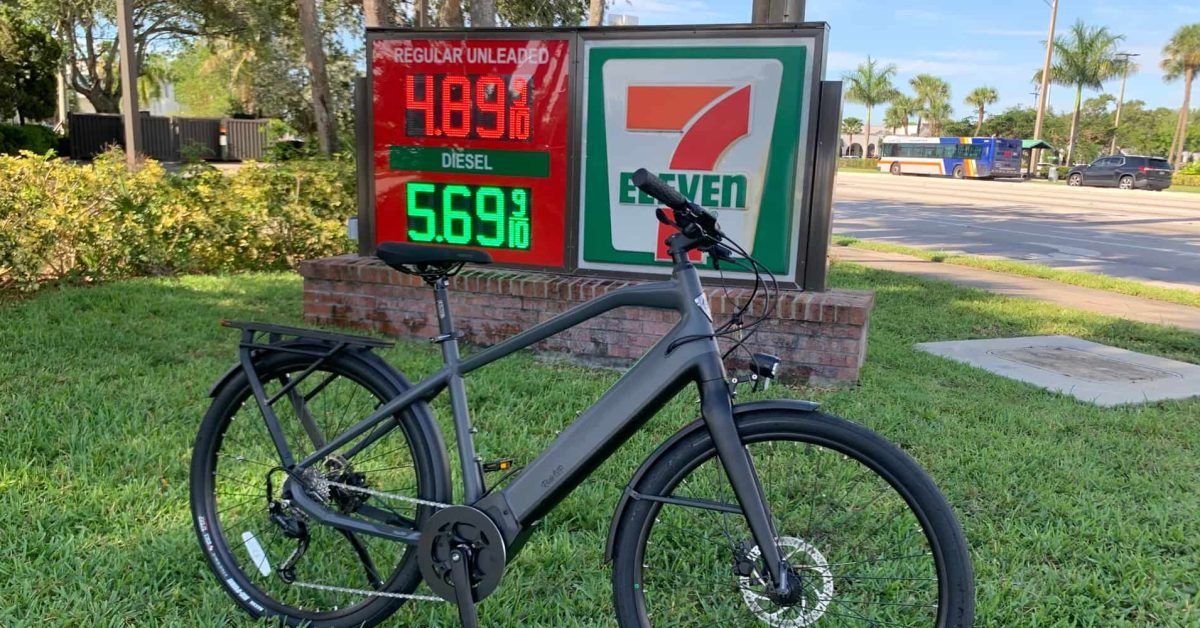
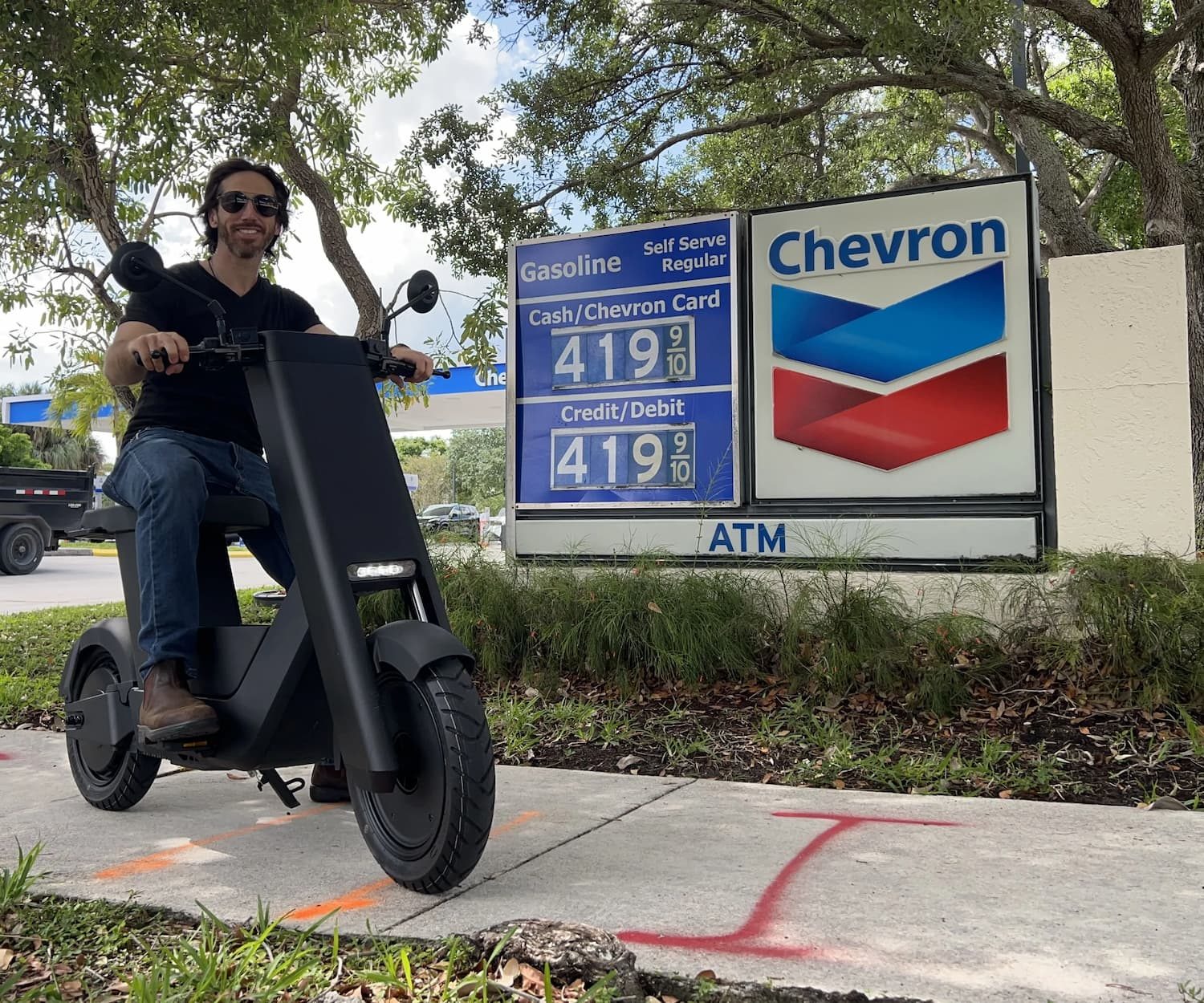
If you are like most people and currently drive a gasoline-powered car, the pain is about to become even worse. US government officials have warned that gas prices are expected to rise further as tensions around the Strait of Hormuz continue to disrupt the global oil supply.
While we can’t control geopolitical events, we can control how much gasoline we actually need to buy. And that’s where e-bikes come in.
Sure, an electric car could cut down your gas bill, but that requires spending tens of thousands of dollars – not exactly an enticing proposal when you’re trying to save money.
But electric bikes may be the answer. They’re more than just those things the neighborhood kids cruise around on in packs, popping wheelies. E-bikes are also a major part of the changing US transportation landscape – and a growing part, at that. Plenty of people have discovered they can save serious money by adding an e-bike to their own transportation mix.
And it may be easier than you think. A lot of people are under the mistaken impression that switching to an e-bike means giving up their car entirely. It doesn’t.
Instead, think of an e-bike as a tool that chips away at your gas bill one trip at a time.
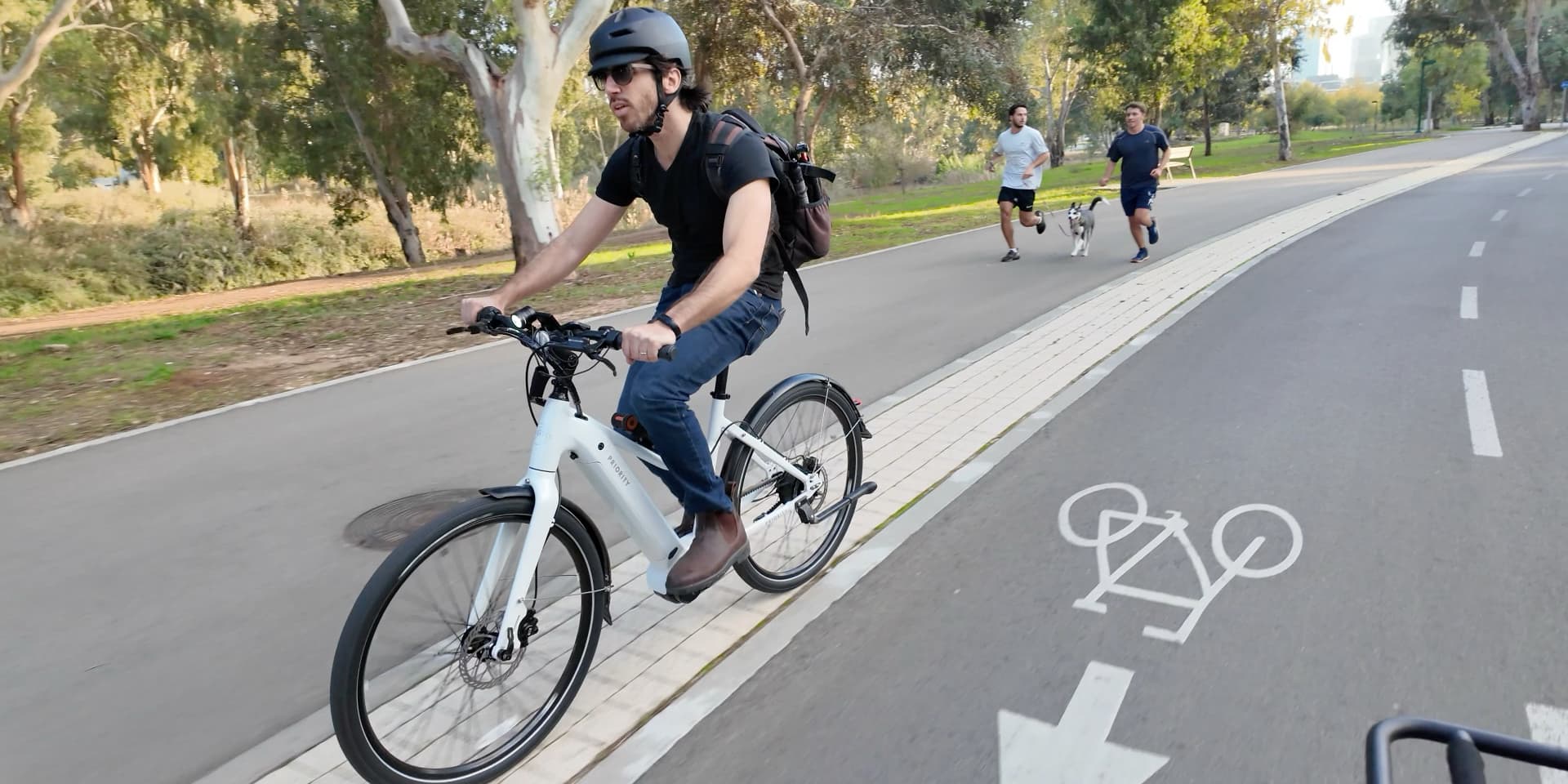
For most Americans, the majority of daily trips are single-passenger trips and are surprisingly short. Running to the grocery store, grabbing coffee, commuting a few miles to work, heading to the gym, picking up takeout, or visiting friends are all trips that can often be done on an e-bike instead of in a two-ton vehicle that burns gasoline just to move one person.
The beauty is that you don’t need an expensive e-bike to make this work. There are plenty of solid options around the $1,000 mark.
Whenever someone asks me for a good, inexpensive recommendation and isn’t sure exactly what they want, I generally start by recommending bikes like the Lectric XP4. At just $999, it offers enough range and capability to replace a surprising number of car trips without breaking the bank. It’s also fairly fast, up to 28 mph (45 km/h), and has surprisingly good components for its price. When you’re saving on fuel, parking, maintenance, and wear on your car, that investment can pay for itself much faster than many people realize.
Even just considering fuel, a tank of gas often costs around $50-75 in the US right now, which can add up to serious savings quickly for each trip you perform on an e-bike. But all those other car-related costs tip the scales even more heavily in the favor of e-bikes, and help them pay for themselves even faster.
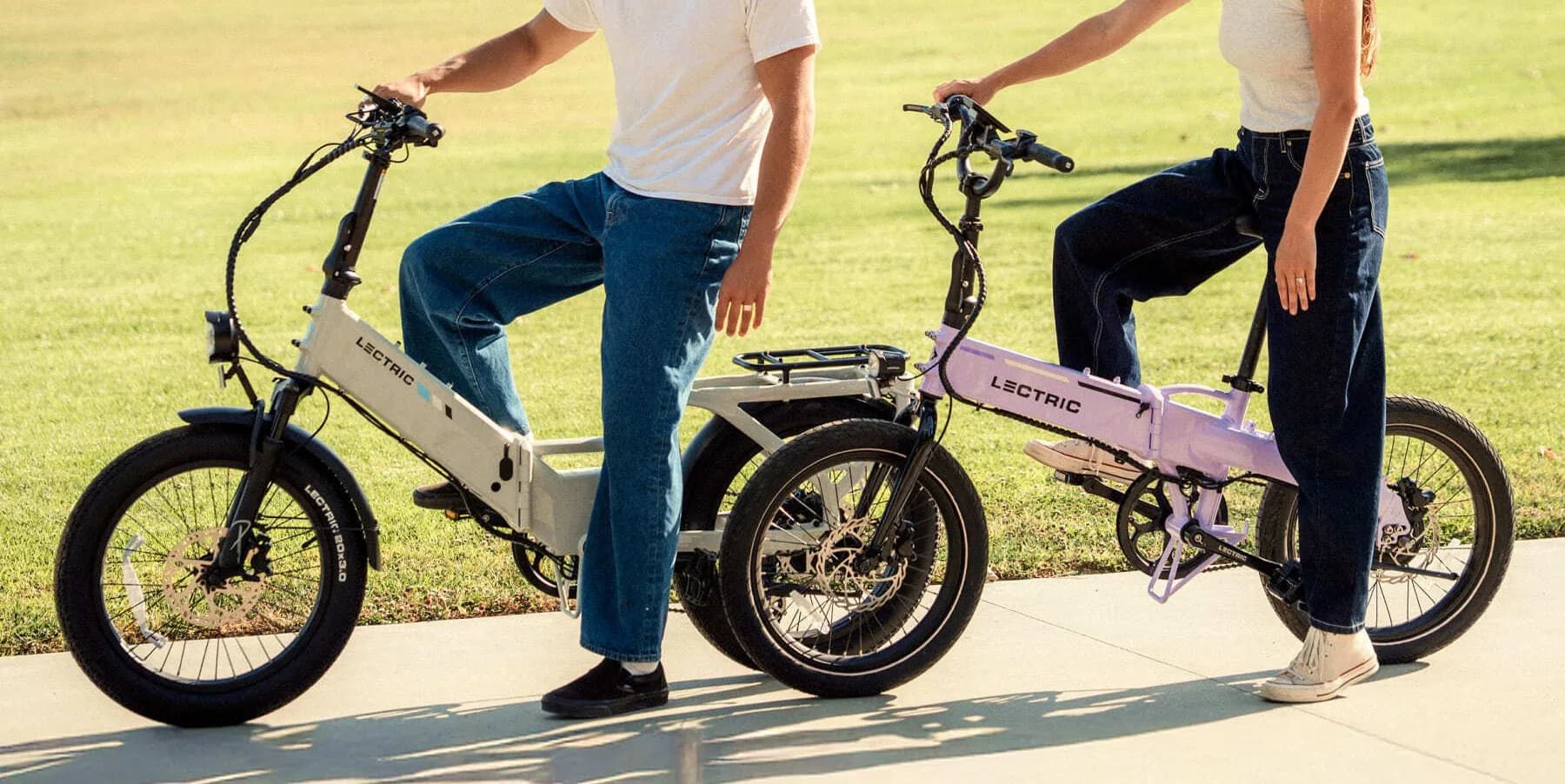
Another tip is to stop thinking about replacing miles and instead focus on replacing errands. It’s easy to look at a 20 mile (32 km) commute and decide an e-bike won’t work. But maybe your grocery store is only two miles away. Maybe the pharmacy is three miles away. Maybe your favorite restaurant is a quick 10 minute ride. Those are easy wins that don’t require changing your entire lifestyle.
If carrying cargo is your concern, don’t let that stop you. Modern e-bikes can be equipped with rear racks, panniers, baskets, trailers, and even child seats. I’ve hauled groceries, camera gear, home improvement supplies, and enough Costco purchases to surprise more than a few skeptical drivers.
I can’t remember the number of times I’ve carried lumber on the back of an e-bike, but it’s definitely more than I can count on my fingers.
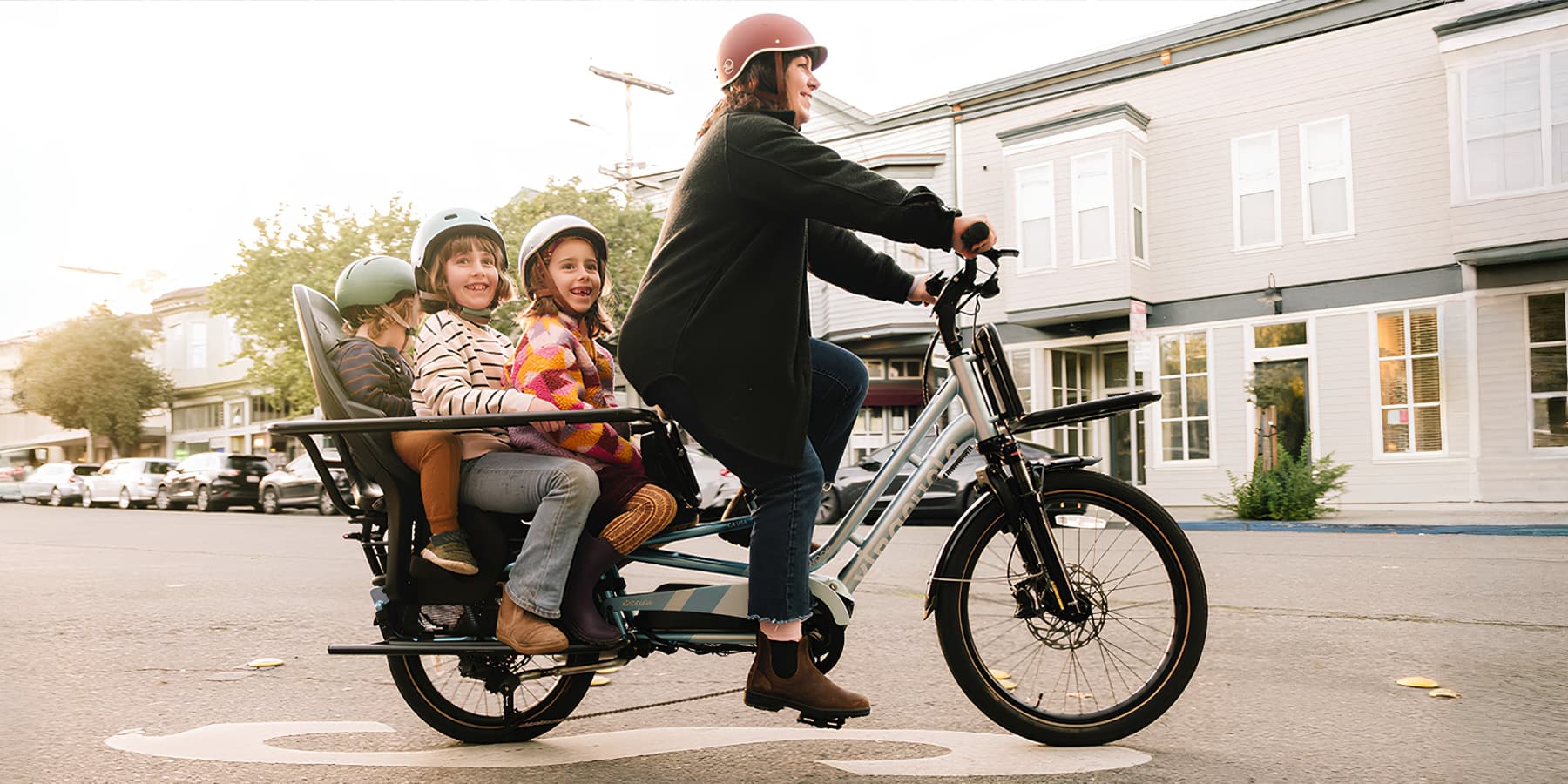
Finally, don’t forget that you can mix transportation methods. Ride your e-bike to work a couple of days each week instead of five. Use it on weekends. Take it whenever the weather cooperates.
Every mile you ride is one less mile your car has to. And that’s more gas money you’ve saved, not to mention the wear and tear, maintenance, parking fees, etc.
So no, an e-bike isn’t the answer to every transportation need. But it doesn’t have to be. The goal is less about extremes and more about reducing how often you’re forced to buy increasingly expensive gasoline.
And with fuel prices looking like they may be headed in the wrong direction for the foreseeable future, there’s never been a better time to start replacing car trips with bike rides.


FTC: We use income earning auto affiliate links. More.