

The Indigenous origins of ayahuasca, and how a ceremony works
It’s important to respect the Indigenous people who have used plant medicines for centuries as cultural harbingers of its healing qualities. Ayahuasca is considered medicine, and should not be used recreationally or without the supervision of practiced healers. It is legal and culturally rooted in several countries with land within the Amazon Basin, where the plants originate, including Peru, Colombia, Brazil, and Ecuador. Ayahuasca ceremonies are also held openly in Costa Rica, where the brew is decriminalized, and in Mexico, where its legal status remains a gray area, though ceremonies have become widespread.
According to the Multidisciplinary Association for Psychedelic Studies (MAPS), psychoactive properties are most commonly derived from Banisteriopsis caapi, a vine containing monoamine oxidase inhibitors (MAOIs), and the leaves of Psychotria viridis, or other plants containing N,N-dimethyltryptamine (DMT). It’s believed that the DMT found in ayahuasca activates the DMT naturally found in a person’s pineal gland, often considered the third eye portal amongst the spiritual set and Indigenous healers. Many healers and shamanic practitioners believe this leads to the vision quests that ensue after ingesting the brewed version of ayahuasca, and why participating in ceremony is a way to connect deeper to your truest self. As the healers of Sacha Wasi, an ayahuasca retreat center in the Ecuadorian Amazon, explain: “Within our tradition, ayahuasca is regarded as a sacred plant teacher and a spirit of nature. We understand it as a tool for self discovery, reflection, and personal evolution.”
Ayahuasca journeys can range from one-night events to multi-day retreats, which usually require a participant to refrain from any intense physical stimulants such as sex, alcohol, and rich foods for at least a few weeks prior to and through to a few weeks after the ceremony. Silvia Polivoy, founder of the Spirit Vine ayahuasca retreat center in Bahia, Brazil, believes ayahuasca is a sentient entity, a teacher plant spirit, and emphasizes that “being clean before taking ayahuasca is essential.”
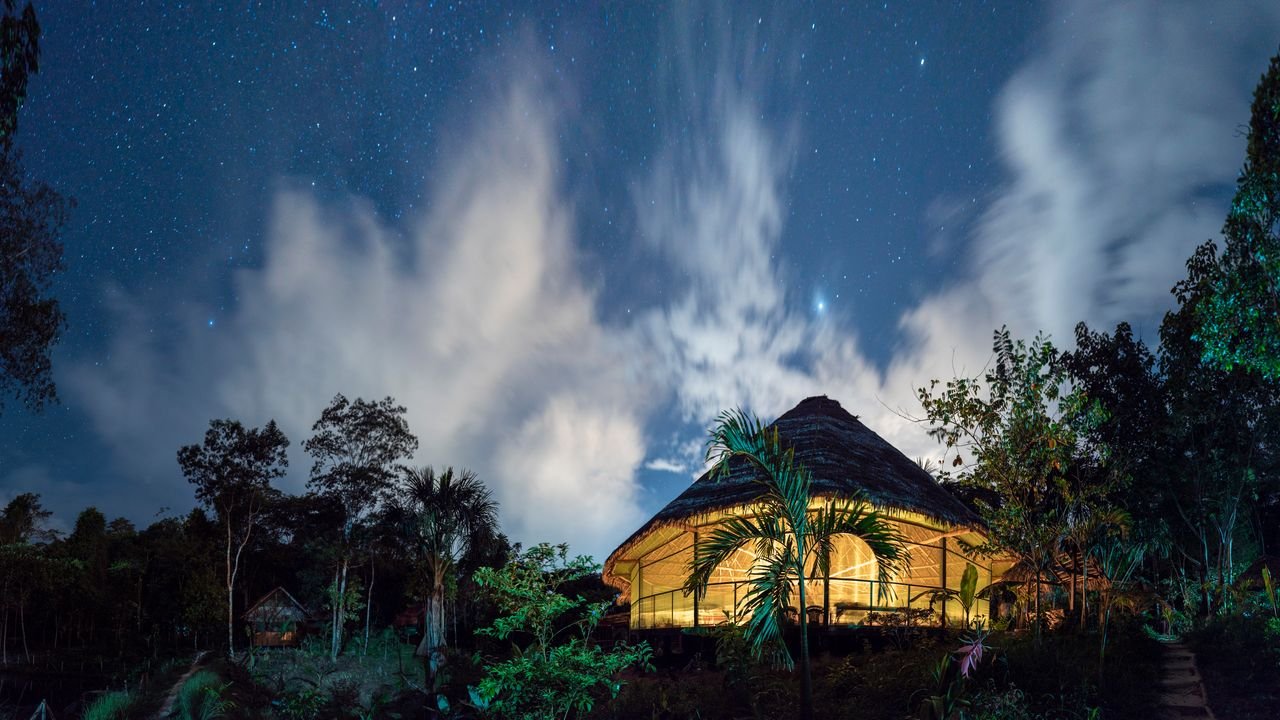
Most ceremonies are held in a maloca, a wooden ceremonial structure with a thatched roof, and begin at sunset and end the following morning before dawn, lasting around five to six hours. In my experience, a ceremony usually includes fewer than 20 participants and begins with some type of cleansing initiation through the use of tobacco snuff, such as rapé, or mapacho, a wild tobacco species native to the Amazon Basin. After ingesting the medicinal tea, most participants will experience a purging reaction, which could include vomiting or even a bowel movement. Participants drink three cups—each about the size of an espresso shot—throughout the night. Shamans and healing elders usually sing icaros (prayers) to facilitate a sense of calm and tranquility, and as the team at Sacha Wasi describes, “traditional icaros, drums, and sound elements help guide and accompany the process.” While some ceremonies observe a practice known as noble silence, many rituals encourage participants to emote as necessary: crying, screaming, and purging included.