

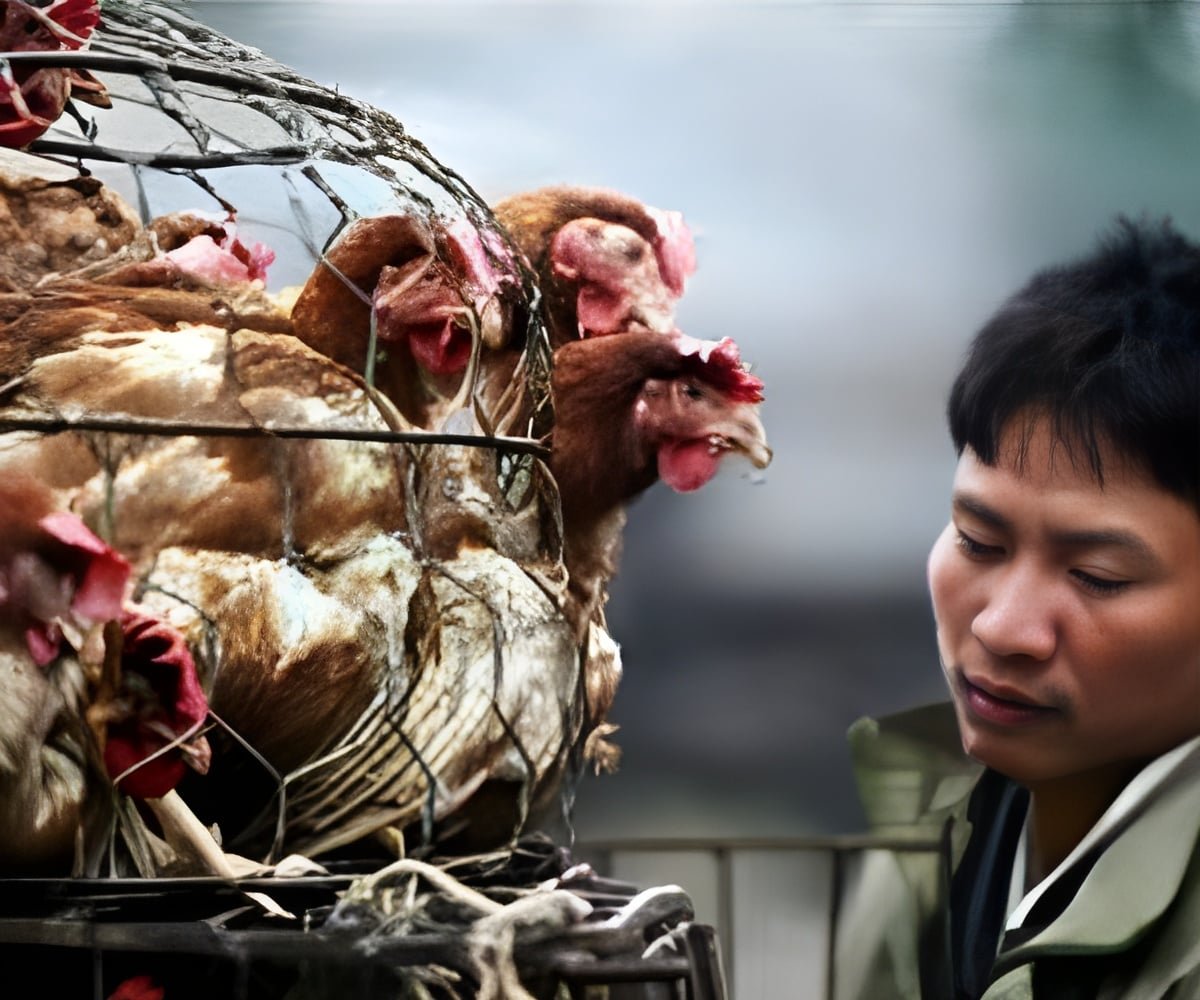
Why are scientists worried about H5N1 in Australia? The virus is spreading in wild birds, threatening seabirds, marine mammals, and biodiversity.
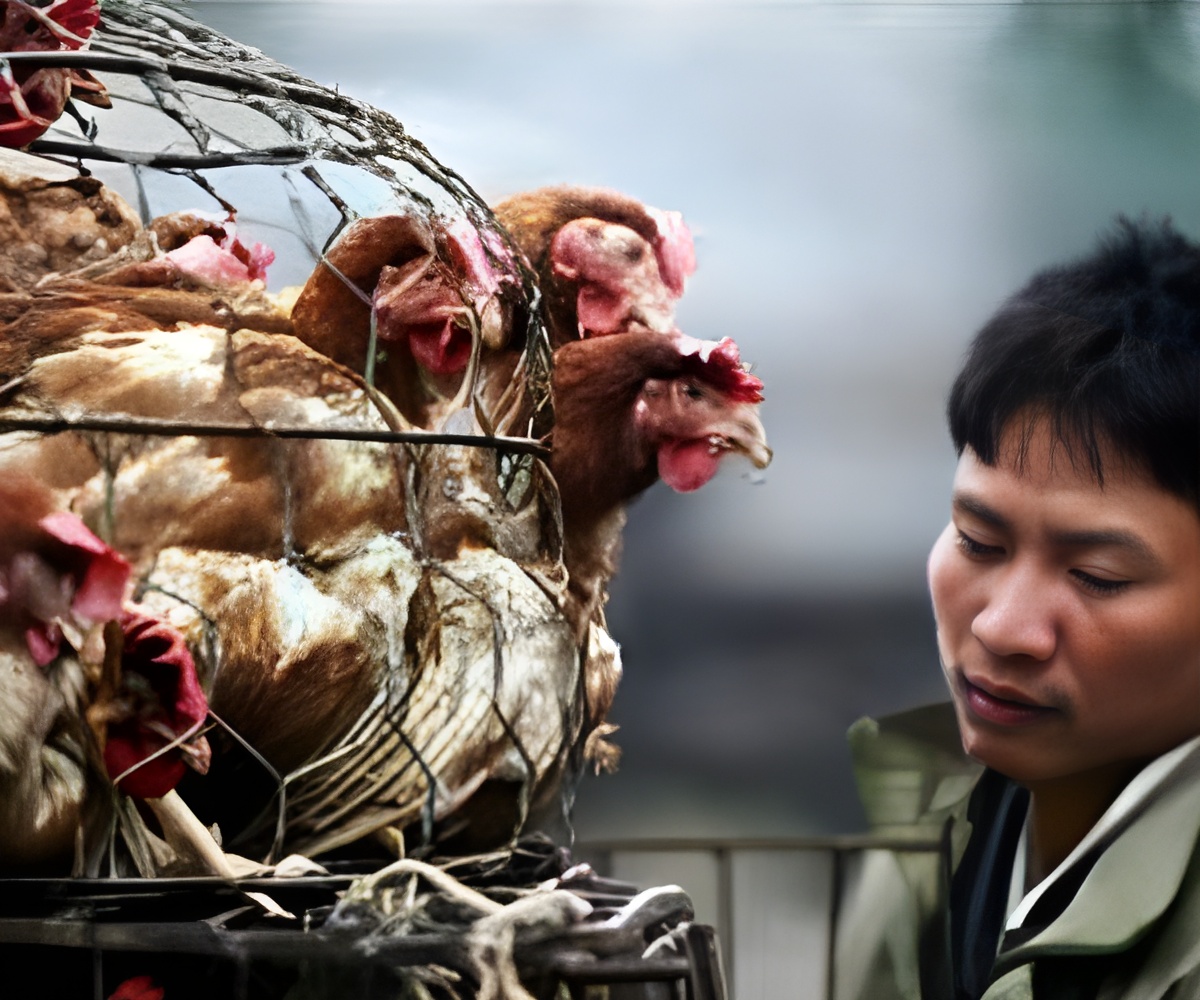
Australia is facing what scientists describe as a potential wildlife emergency after the highly pathogenic H5N1 avian influenza virus began spreading through wild seabird populations. (1✔ ✔Trusted Source
Bird flu (Avian influenza)
)
For years, the country remained one of the few places untouched by the globally circulating strain, but recent detections suggest that window of protection has now closed. Researchers warn that without swift action, Australia could experience widespread deaths among seabirds and marine mammals, similar to outbreaks seen in Europe, North America, South America and Antarctica.
Advertisement
H5N1 Spreads Beyond Migratory Birds in Australia
The virus was first detected in wild birds in Western Australia in June before spreading to South Australia, Victoria, New South Wales and Queensland. As of August 2, Australian authorities had confirmed 62 H5 bird flu detections in wild seabirds, although no infections have been reported in poultry flocks. The federal government continues to classify the risk to the poultry industry as low but says surveillance has been intensified nationwide.
Scientists say the recent pattern of infections marks a significant shift. Initially, most cases involved migratory seabirds arriving from overseas. However, authorities are now detecting infections in resident bird populations, suggesting the virus is beginning to circulate locally. Wildlife experts say this increases the likelihood of sustained transmission and larger outbreaks.
Environmental researchers are particularly concerned about species that nest in dense colonies, where the virus can spread rapidly from bird to bird. Australia is home to millions of breeding seabirds, many of which gather in large coastal colonies during the nesting season, creating ideal conditions for transmission.
Advertisement
Local Bird Populations Signal a New Phase of H5N1
Scientists say the recent pattern of infections marks a significant shift. Initially, most cases involved migratory seabirds arriving from overseas. However, authorities are now detecting infections in resident bird populations, suggesting the virus is beginning to circulate locally. Wildlife experts say this increases the likelihood of sustained transmission and larger outbreaks.
Environmental researchers are particularly concerned about species that nest in dense colonies, where the virus can spread rapidly from bird to bird. Australia is home to millions of breeding seabirds, many of which gather in large coastal colonies during the nesting season, creating ideal conditions for transmission.
Advertisement
Scientists Fear Bird Flu Could Reach Marine Mammals
The concern extends beyond birds. Globally, the current H5N1 outbreak has infected dozens of mammal species, including seals, sea lions, foxes, bears and dairy cattle. Scientists fear that if infected seabirds spread the virus along Australia’s coastline, native marine mammals—including seals and sea lions—could also be exposed.
Conservationists warn that Australia’s unique wildlife, much of which exists nowhere else in the world, may be especially vulnerable because these species have never previously encountered this strain of H5N1. Mass mortality events overseas have killed tens of thousands of wild birds and marine mammals, raising fears that similar losses could occur in Australia if the virus becomes firmly established.
Australian authorities are urging the public to avoid touching sick or dead birds and to report suspected cases through the national Emergency Animal Disease Hotline.
Australia Steps Up Bird Flu Surveillance
People who work closely with birds—including wildlife carers, poultry workers and veterinarians—are being advised to wear appropriate protective equipment. Health officials say the current risk to the general public remains low because the virus does not spread easily between people. Most human infections reported globally have involved direct contact with infected birds or contaminated environments.
The Australian government has expanded wildlife surveillance and biosecurity measures while monitoring for any signs that the virus could spread into commercial poultry operations.
Researchers say early detection will be critical to limiting the outbreak’s impact. They are also calling for increased funding for wildlife monitoring, rapid response teams and rehabilitation efforts to help protect vulnerable species if larger outbreaks occur.
While Australia has so far avoided the catastrophic wildlife losses seen elsewhere, scientists caution that the coming months will be crucial in determining whether the country can contain the spread—or whether H5N1 will become another long-term threat to its unique biodiversity.
References:
- Bird flu (Avian influenza) – (https://www.agriculture.gov.au/campaigns/birdflu)
Source-Medindia