

4 min readRaipurUpdated: Aug 2, 2026 04:35 PM IST
Translocation from Assam. That’s what the Chhattisgarh Forest Department hopes will save the state wild buffalo — its state animal and the last surviving population in Central India.
With the wild buffalo population plummeting over the last few decades, the Chhattisgarh Forest Department is planning to translocate wild buffaloes from Assam and keep them in enclosures at the Pamed Wildlife Sanctuary, the Udanti Sitanadi Tiger Reserve and the Indravati Tiger Reserve (ITR). Officials hope this will help boost their population naturally.

A proposal will soon be sent to the Centre, Chhattisgarh Principal Chief Conservator of Forests (PCCF) Arun Kumar Pandey said.
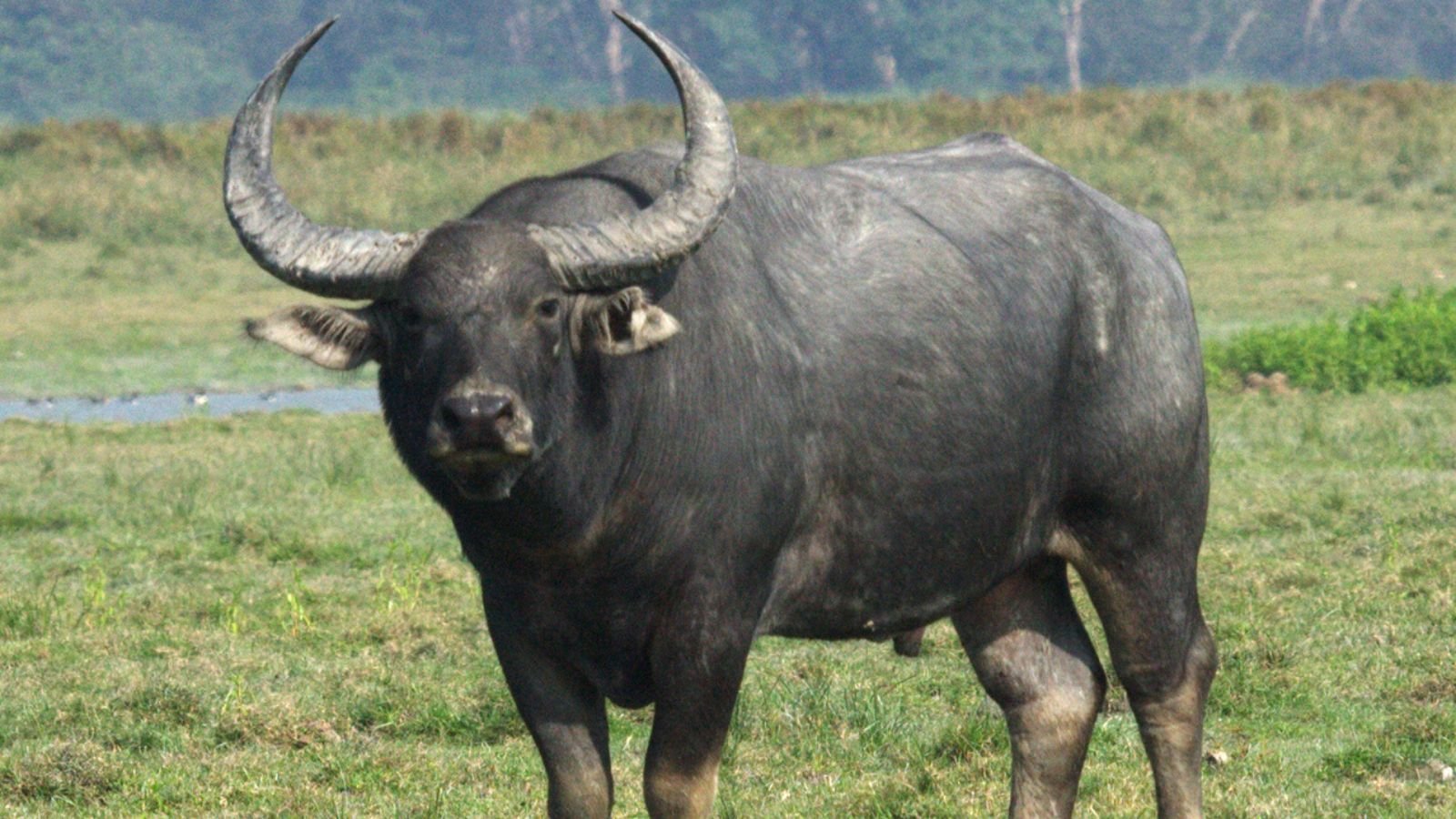
The Asiatic wild buffalo is the largest wild bovine in the world, weighing twice as much as its less muscular cousin. India is home to more than 90% of the global wild water buffalo population (3,500-3,700 individuals), with most found in Assam (3,000-3,500) and smaller populations in Meghalaya, Chhattisgarh and Maharashtra’s Kolamarka forests. The 2016 IUCN Red List for threatened species — a critical indicator of the health of the world’s biodiversity — places it in the “endangered” category.
Once found in Chhattisgarh, Maharashtra, Madhya Pradesh, Odisha, Jharkhand and Telangana in central India, it is today confined to small herds in Chhattisgarh and Maharashtra. In India, the wild buffalo enjoys the highest protection under Schedule I of the Wildlife (Protection) Act, 1972. A 2005 report from the Wildlife Trust of India (WTI) showed there were 39-47 wild buffaloes across USTR, Indravati Tiger Reserve (ITR) and Pamed in Bijapur district, with officials estimating that their numbers have declined further to 12-16 individuals.
For its part, the forest department has taken several measures to push up the population. In 2015, the Forest Department pinned its hopes on a cloned female wild buffalo, “Deepasha”. The effort has since been abandoned.
Officials said the latest plan involves bringing wild buffaloes from Assam and keeping them in enclosures at Pamed Wildlife Sanctuary, USTR and Indravati. This experiment has already been attempted successfully.” Over the past few years, six wild buffaloes were brought from Assam to Barnawapara Wildlife Sanctuary: a male and a female in 2020, and four females in 2023, taking the population there to 11.
Story continues below this ad
“A dedicated team of doctors and staff is required to monitor their diet and ensure minimum human interference,” said Baloda Bazar DFO Ganveer Dhammashil.
In USTR, where there’s already one male buffalo, USTR Deputy Director Varun Jain said there are plans to translocate three females. But with the lone male getting older, officials admit this is a race against time.
“The animals will be radio-collared to track their movement, and 17 villages in the core area of USTR have agreed to their release,” one official said. “If the effort fails, we will turn to artificial insemination.”
A forest official said poaching, shrinking habitat, and retaliatory killings by villagers after wild buffaloes raid crops and mate with domestic buffaloes are the leading causes of death.
Story continues below this ad
Officials are also mooting a five-point action plan to adopt an integrated approach covering ITR, Pamed Wildlife Sanctuary and Bhairamgarh Wildlife Sanctuary. The plan calls for urgent conservation through scientific monitoring, habitat improvement and restoration, grassland and waterhole development, stronger anti-poaching measures, disease surveillance, genetic management and, if needed, translocation.
“With technical expertise from the Wildlife Institute of India, Dehradun, and subject experts, we have developed the action plan, which was recently approved by the Ministry of Environment, Forest and Climate Change,” ITR Deputy Director Sundeep Balaga said.