

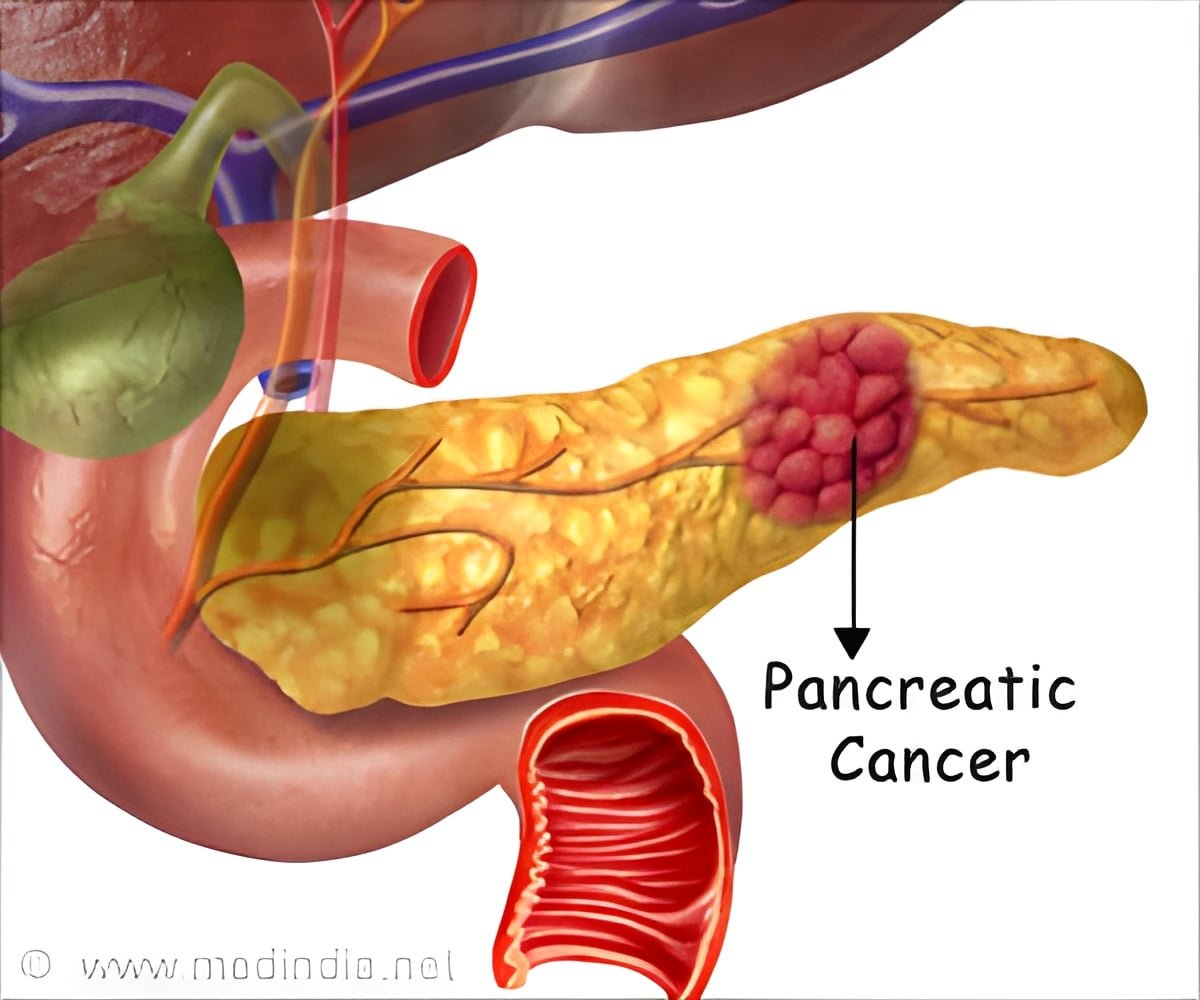
An experimental vaccine targeting KRAS mutations has generated encouraging immune responses in people at high risk of pancreatic cancer. This raises an intriguing possibility- could the immune system someday be trained to intercept this deadly disease before cancer develops?
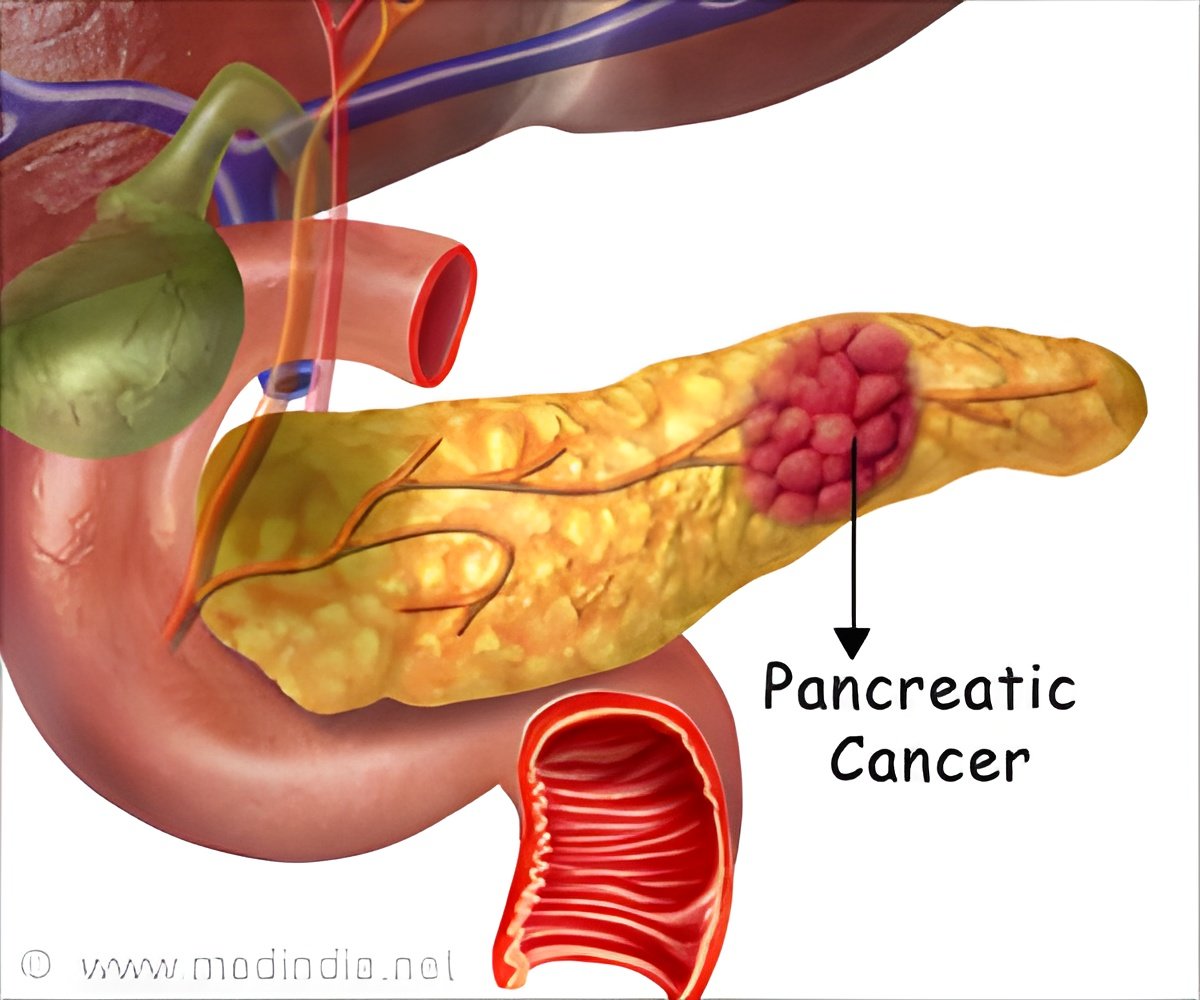
- An experimental vaccine targeting KRAS mutations produced immune responses in most high-risk participants during an early clinical trial
- The vaccine is being studied for pancreatic cancer prevention in people with high-risk pancreatic lesions, not for routine public vaccination
- The findings are encouraging, but larger and longer studies are required to determine whether vaccination truly prevents pancreatic cancer
Pancreatic cancer often remains hidden until it has already reached a stage where successful treatment becomes considerably more difficult. Now researchers are investigating a strikingly different strategy: teaching the immune system to recognize dangerous changes before cancer develops. An experimental vaccine targeting mutations in a cancer-driving gene called KRAS has produced encouraging results in an early human trial. The vaccine triggered KRAS-specific immune responses in 90% of participants considered at increased pancreatic cancer risk (1).
The finding does not mean scientists have developed a vaccine that can currently prevent pancreatic cancer in everyone. This was a small Phase 1 trial designed primarily to examine safety and whether vaccination could generate the desired immune response. Researchers must now establish whether those immune changes translate into meaningful protection against pancreatic cancer over many years. Still, the possibility of intercepting pancreatic cancer before it develops represents an important new direction in prevention research.
Advertisement
What is the New Pancreatic Cancer Vaccine?
The experimental vaccine is designed to target abnormal versions of KRAS, a gene frequently altered during pancreatic cancer development. KRAS normally helps regulate signals controlling cellular growth, but certain mutations can leave those growth signals permanently activated. This allows affected cells to multiply abnormally and contributes to the development and progression of several cancers. KRAS mutations are especially important in pancreatic ductal adenocarcinoma, the most common form of pancreatic cancer.
Rather than attacking an established tumor, the experimental approach attempts to train immune cells to recognize mutant KRAS proteins. Researchers hope these trained immune cells could identify abnormal cells carrying those mutations before invasive pancreatic cancer develops. This concept is different from vaccines designed to prevent infections such as human papillomavirus or hepatitis B. The KRAS vaccine instead targets molecular abnormalities created during the process that can eventually lead to cancer.
Advertisement
What did the KRAS Vaccine Trial Find?
The Phase 1 clinical study enrolled people considered at increased risk of developing pancreatic ductal adenocarcinoma because of pancreatic abnormalities. Researchers examined whether vaccination was safe and capable of stimulating immune responses against cancer-associated KRAS mutations. The vaccine generated mutant KRAS-specific effector and memory T-cell responses in 90% of the study participants. Memory T cells are particularly interesting because they can retain information about a target and respond again later.
During a median follow-up period of approximately 16.5 months, none of the participants developed pancreatic cancer, according to reported trial findings. Researchers also observed that some precancerous pancreatic lesions either decreased in size or stopped progressing during follow-up. These observations are encouraging, but the trial was not designed to prove that vaccination prevented those cancers from developing. Longer follow-up and controlled studies will be necessary before scientists can establish whether the vaccine changes cancer outcomes.
Advertisement
Why is KRAS an Important Target in Pancreatic Cancer?
Pancreatic cancer has historically been difficult to target because its biology allows tumors to evade many conventional treatment approaches. KRAS has attracted particular scientific attention because mutations in this gene appear extremely frequently in pancreatic ductal adenocarcinoma. Targeting a change occurring early during cancer development could therefore provide researchers with an opportunity to intervene before invasive disease appears. A successful immune response against mutant KRAS might theoretically eliminate abnormal cells before they become clinically dangerous.
Scientists have spent decades attempting to develop therapies capable of targeting KRAS effectively, once describing the protein as exceptionally difficult to drug. Recent advances have changed that landscape, with targeted medicines and several experimental vaccine strategies now reaching clinical research. Preventive vaccination represents another step because researchers are attempting to intervene before an established cancer requires treatment. However, generating an immune response and preventing cancer remain two very different scientific milestones.
Who could Benefit from a Pancreatic Cancer Vaccine?
If future trials confirm its effectiveness, this type of vaccine would probably be intended initially for carefully selected high-risk individuals. Some people inherit genetic changes that increase pancreatic cancer susceptibility, while others develop pancreatic cysts or precursor lesions requiring regular monitoring. These groups provide an opportunity to identify abnormal pancreatic changes before invasive cancer develops. The vaccine tested in this study should not be viewed as a routine preventive injection for healthy adults.
Approximately 10% of pancreatic cancers are associated with inherited predisposition involving certain cancer susceptibility genes. People with strong family histories or recognized genetic syndromes may therefore undergo specialized surveillance at experienced medical centers. Decisions about pancreatic cancer screening require individualized risk assessment because population-wide screening is not currently recommended for average-risk adults. The experimental vaccine remains within clinical research and should not replace established surveillance for high-risk individuals.
What do the Early Pancreatic Cancer Vaccine Results Mean?
The most important result is not simply that participants remained cancer-free during the relatively short follow-up period. Instead, researchers demonstrated that vaccination could teach the human immune system to recognize mutant KRAS and generate durable responses. That biological proof of concept provides a foundation for larger studies examining whether immune activation can meaningfully prevent disease. The next challenge is proving that the immune response translates into fewer pancreatic cancers over longer periods.
Phase 1 trials are deliberately small and cannot provide the same certainty as larger randomized clinical studies. Participants were also selected because they already carried increased risk, meaning results cannot automatically apply to the general population. Scientists will need larger groups, appropriate comparison arms, and substantially longer observation before determining preventive effectiveness. For now, the findings represent promising research rather than a new standard of pancreatic cancer prevention.
For most people, these results do not change what doctors currently recommend for preventing or detecting pancreatic cancer. The experimental KRAS vaccine is not commercially available and has not been established as a preventive treatment for average-risk individuals. However, the research signals an important shift toward identifying and intercepting cancer before invasive disease becomes established. Future cancer prevention may increasingly involve teaching the immune system to recognize dangerous molecular changes before tumors develop.
What to do if Pancreatic Cancer Runs in the Family?
If pancreatic cancer runs strongly in your family, discuss your personal risk with a doctor rather than seeking experimental testing independently. Genetic counselling and specialized surveillance may be appropriate for some people with inherited mutations or significant family histories. People already being monitored for pancreatic cysts should continue following their specialist’s recommended surveillance schedule. The vaccine offers genuine scientific hope, but today’s most useful step remains understanding your individual risk and receiving evidence-based care.
Frequently Asked Questions
Which doctor should I consult if pancreatic cancer runs in my family?
Consult a gastroenterologist or medical oncologist who can assess your risk and recommend genetic counselling or specialist surveillance when appropriate.
What is the KRAS pancreatic cancer vaccine?
It is an experimental vaccine designed to train immune cells to recognize abnormal KRAS proteins associated with pancreatic cancer development.
Does the new vaccine prevent pancreatic cancer?
Researchers have demonstrated promising immune responses, but larger and longer trials must establish whether vaccination prevents pancreatic cancer.
Who was given the pancreatic cancer vaccine in the trial?
The early trial involved people considered at increased risk of pancreatic cancer rather than average-risk members of the general population.
Is the KRAS vaccine currently available for pancreatic cancer prevention?
No, the vaccine remains experimental and requires further clinical research before becoming an established pancreatic cancer prevention strategy.
References:
- First-in-human testing of a mutant KRAS vaccine for pancreatic cancer interception in high-risk cohorts
(Haldar SD, Huff AL, Wang HH, Zhu Z, Berg M, Lu J, Sun N, Abou Diwan E, Sinan H, Thoburn CJ, Guo MZ, Yoshida T, Chu LC, Ferguson AK, Sidiropoulos DN, Kagohara LT, Ho WJ, Bever KM, Baretti M, Yarchoan M, Laheru DA, Nauroth JM, Thomas AM, Wang H, Azad NS, Goggins MG, Jaffee EM, Zaidi N. First-in-human testing of a mutant KRAS vaccine for pancreatic cancer interception in high-risk cohorts. Cancer Discov. 2026 Jul 16. doi: 10.1158/2159-8290.CD-25-2245. Epub ahead of print. PMID: 42458705.)
Source-Medindia