

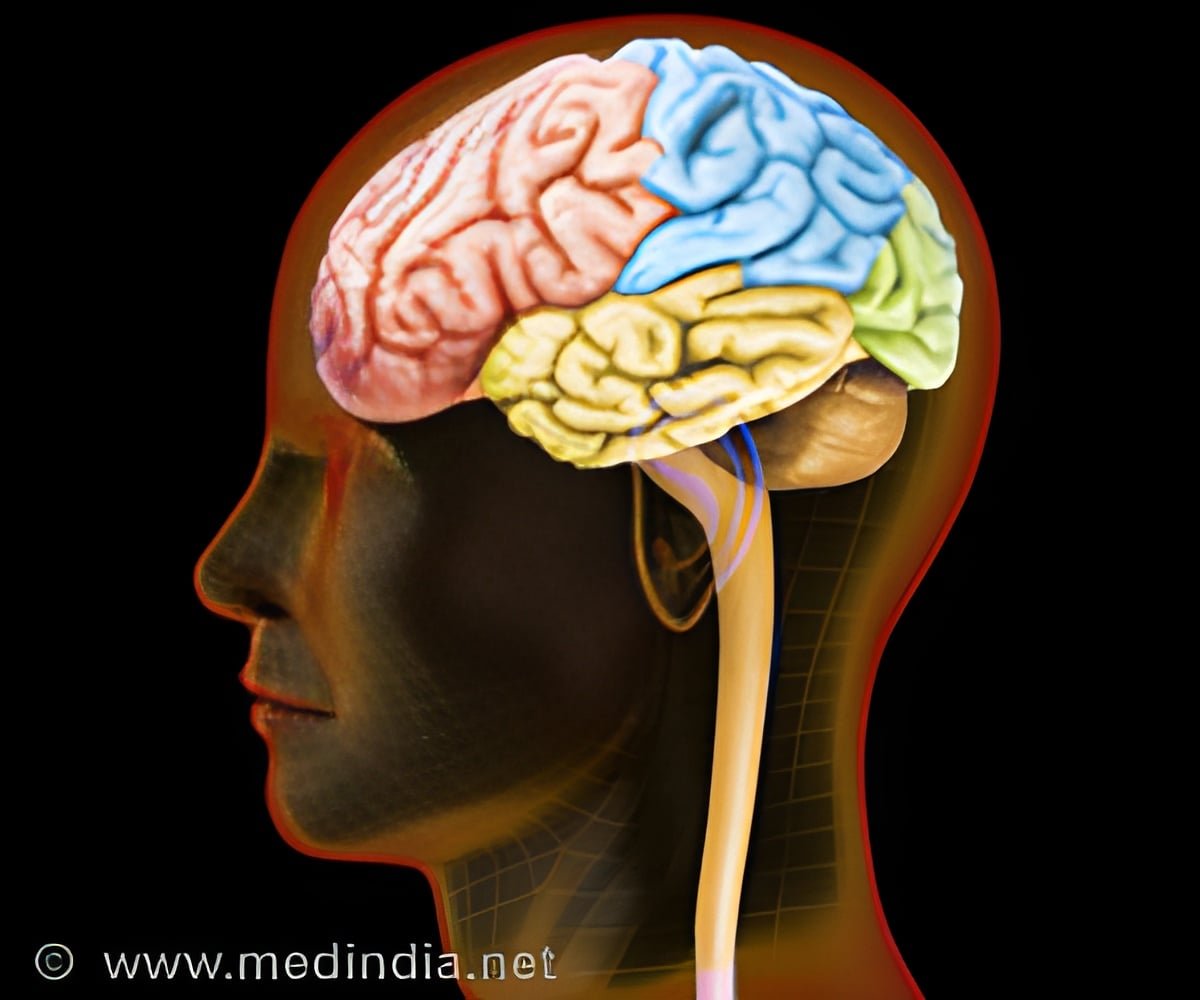
A rugby icon’s unusual pledge is drawing attention to sports neurology, injury prevention, and research into the lasting impact of head injury.
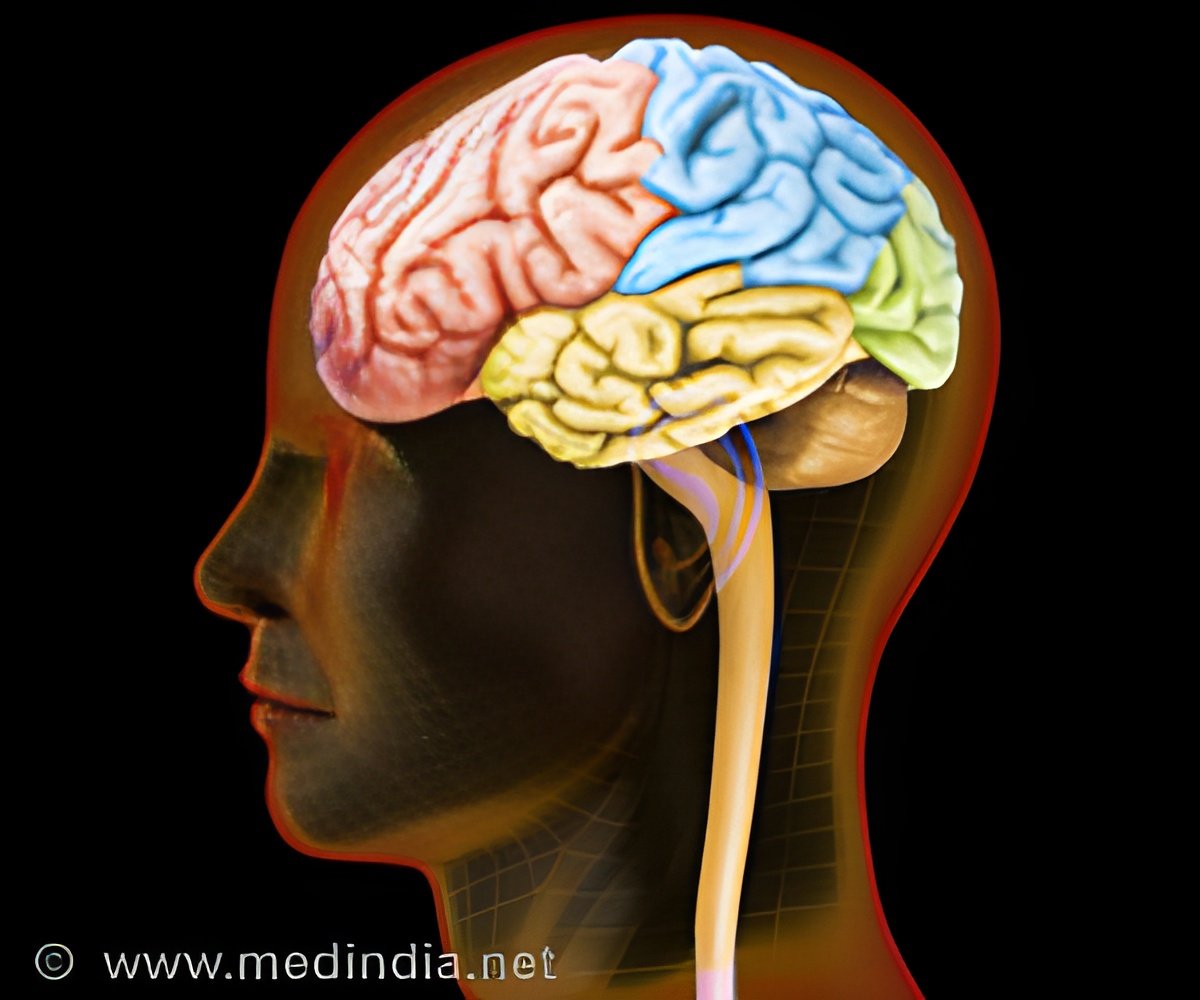
According to a research conducted by an international collaboration of researchers from leading brain banks along with brain donation programs in the UK, United States, and Australia, almost 66% of former rugby players studied reported a history of traumatic brain injury (TBI) with loss of consciousness or previous concussion, highlighting the impact of repeated head trauma. (1)
Every additional year of rugby participation was associated with about a 14% increase in CTE risk, suggesting that longer exposure to repeated head impacts may raise the likelihood of brain changes. (2)
Advertisement
Phil Vickery’s Brain Donation Pledge: A Step Toward Concussion Research
Phil Vickery, the former England rugby captain, has pledged to donate his brain for scientific research after his death, aiming to help experts better understand the long-term effects of repeated head impacts and concussions in contact sports.
His decision reflects growing concerns among former athletes about how repeated blows to the head may contribute to neurological changes later in life.
By donating his brain, Vickery hopes researchers can gain more evidence about how sports-related head injuries affect the brain and improve safety measures for future generations of players.
Advertisement
Who Is Phil Vickery?
Phil Vickery is a former English rugby union player who played as a tighthead prop and represented England at the international level.
He is best known for his strength in the scrum and his long career in professional rugby. Known as “Raging Bull” during his playing days, Vickery built a reputation as one of England’s most respected front-row forwards.
After retiring from rugby, he has spoken about player welfare and the potential long-term effects of repeated head impacts in contact sports.
“Brain injuries are with you all the time, 24/7, 365 days a year, and it weighs heavy, and it grinds at you all the time. It won’t beat me. You know, I keep going.” the former England rugby player said.
His decision to pledge his brain for concussion research reflects his interest in helping scientists understand conditions such as chronic traumatic encephalopathy (CTE) and improving safety for future rugby players.
Advertisement
What Scientists Are Learning From Donated Athlete Brains?
Donated athlete brains help researchers study the long-term effects of repeated head impacts and conditions like chronic traumatic encephalopathy. Scientists analyze brain tissue for changes such as tau protein buildup and other signs linked to brain injury.
A 2023 study in Acta Neuropathologica examined 31 donated brains from former rugby players and found CTE-related changes in 21 cases (68%), providing new insights into sports-related brain injuries and athlete safety.
Can Concussions Cause Brain Injury?
Yes, a concussion is a type of traumatic brain injury caused by a blow, bump, or jolt to the head that affects normal brain function. Since rugby is a contact sport, the players are frequently subjected to blows and jolts.
While many people recover completely, repeated concussions or head impacts may increase the risk of long-term brain changes, including conditions such as chronic traumatic encephalopathy (CTE).
Common symptoms of brain injury include headaches, dizziness, confusion, memory problems, and mood changes.
What Is CTE and Its Symptoms?
Chronic traumatic encephalopathy is a progressive brain condition linked to repeated head impacts, often seen in contact sports. It involves abnormal tau protein buildup that can damage brain cells over time.
Common CTE symptoms include:
- Memory loss and confusion
- Mood changes, anxiety, or depression
- Irritability and impulsive behavior
- Problems with thinking and decision-making
- Balance and movement difficulties
CTE can only be confirmed after death through brain tissue examination, making brain donation research important for understanding the condition.
Phil Vickery’s Concussion Lawsuit
Phil Vickery joined a legal claim against World Rugby, the Rugby Football Union (RFU), and the Welsh Rugby Union (WRU) over concerns that players were not adequately protected from long-term brain injuries linked to repeated head impacts.
The lawsuit highlights growing concerns about concussions, traumatic brain injuries, and the potential long-term effects of contact sports. Vickery’s brain donation pledge further reflects the need for research into athlete brain health.
Phil Vickery’s brain donation pledge highlights the growing need to understand the hidden impact of head injuries in contact sports. As research continues to uncover the effects of repeated brain trauma, athlete safety remains a priority.
The greatest legacy is not what we leave behind, but what we help others discover. Thats how a champion’s legacy moves from the rugby field to the research lab.
By turning personal experience into scientific knowledge, athletes like Vickery are helping pave the way for a safer future in sports.
References:
- Risk of chronic traumatic encephalopathy in rugby union is associated with length of playing career – (https://pmc.ncbi.nlm.nih.gov/articles/PMC10627955/)
- Risk of chronic traumatic encephalopathy in rugby union is associated with length of playing career – (https://link.springer.com/article/10.1007/s00401-023-02644-3)
Source-Medindia
Source-Medindia