

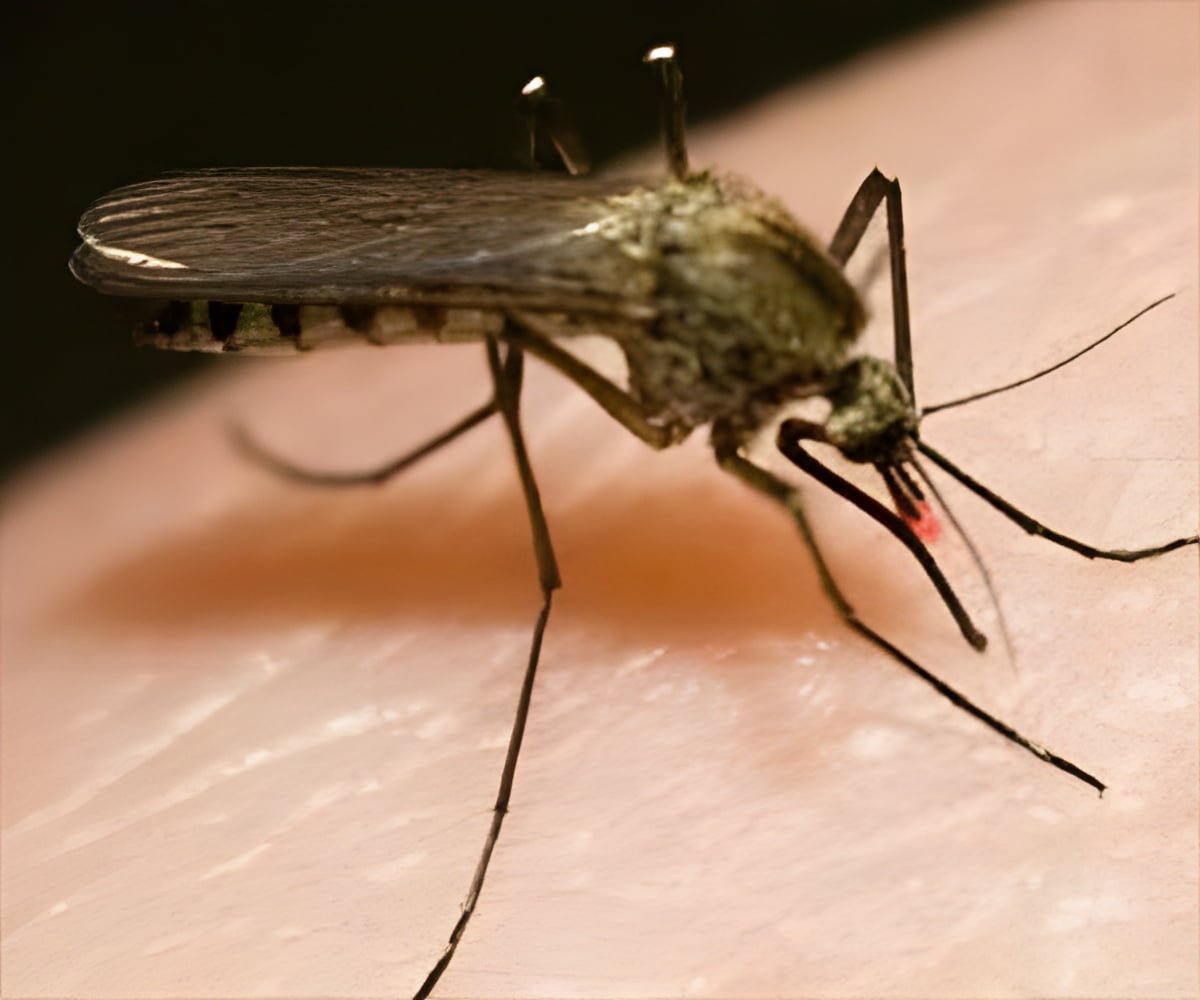
Europe is reporting a fresh rise in West Nile virus infections. Health experts say warmer temperatures and longer summers are helping mosquitoes spread the virus to new regions.
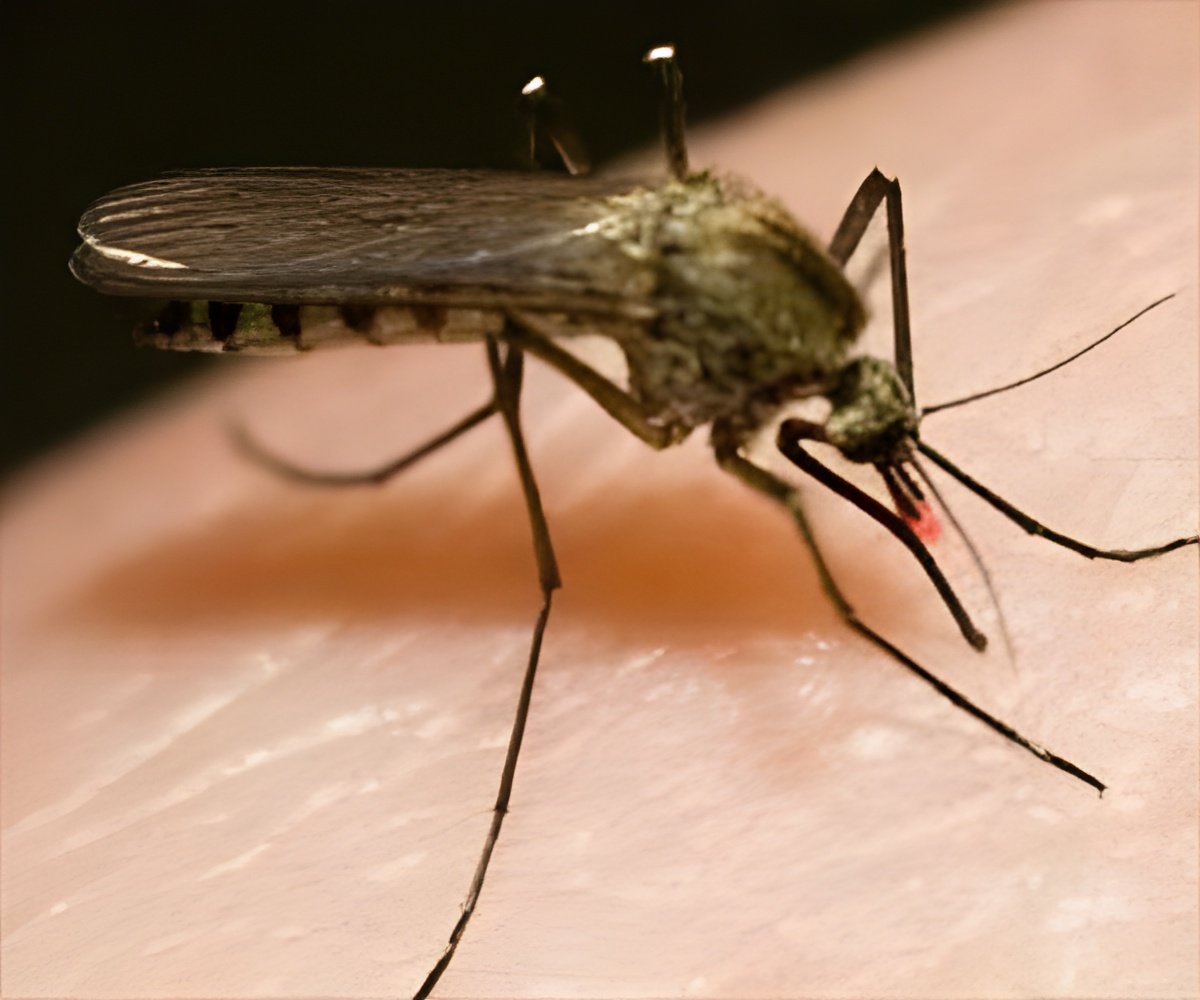
Europe is witnessing a fresh rise in West Nile virus (WNV) infections during the 2026 mosquito season.
According to the WHO Regional Office for Europe, warmer temperatures and longer summers are creating favorable conditions for
The European Centre for Disease Prevention and Control (ECDC) has also reported expanding transmission, with new affected areas being identified every week. ()
As per the ECDC, surveillance data show that 35 affected areas across six European countries have reported 81 locally acquired human cases. Italy has recorded 46 cases, followed by Greece (21), North Macedonia (5), Romania (5), Spain (3), and France (1).
Advertisement
Why Are West Nile Virus Cases Increasing Across Europe?
West Nile virus is mainly transmitted through the bite of infected mosquitoes that acquire the virus from infected birds. Human infections usually occur during the mosquito season, which lasts from late spring to autumn, with the highest transmission between July and September.
Health experts say climate change is contributing to the virus’ expanding reach. Rising temperatures and longer warm seasons allow mosquitoes to survive for longer periods and spread into new geographical areas.
The ECDC’s Week 30 surveillance report identified 35 affected regions across Europe, including 20 in Italy, six in Greece, four in Romania, two in North Macedonia, two in Spain, and one in France. During the latest reporting week alone, nine new areas were added to the surveillance map, indicating continued spread.
Greece has reported one of the most severe outbreaks so far. According to WHO Europe, 21 human infections had been confirmed by 22 July, with 14 reported in the previous week alone. Of these, 20 patients developed neuroinvasive disease, including
Advertisement
What Are the Symptoms and Who Is Most at Risk?
According to WHO Europe, nearly 70-80% of infected people develop no symptoms.
People who do become ill may experience:
- Fever
- Headache
- Fatigue
- Muscle and body aches
- Nausea or vomiting
- Skin rash
- Swollen lymph nodes
Although most infections are mild, around one in every 150 infected people develops severe disease affecting the brain and nervous system. Serious complications include encephalitis, meningitis, neck stiffness, confusion, tremors, seizures, muscle weakness, paralysis, and coma, which can become life-threatening.
WHO advises anyone who develops a high fever, rash, severe headache, or neck stiffness after a mosquito bite, especially after visiting an affected region, to seek medical attention immediately.
Currently, there is no licensed human vaccine and no specific antiviral treatment for West Nile virus. Patients with severe illness usually require supportive hospital care.
Advertisement
How Can You Protect Yourself From West Nile Virus?
According to the WHO Regional Office for Europe, preventing mosquito bites remains the most effective way to reduce infection risk.
Health experts recommend:
- Wearing long-sleeved, light-colored clothing that covers most of the body.
- Applying mosquito repellents containing approved active ingredients as directed.
- Avoiding outdoor activities during dawn and dusk, when mosquitoes are most active.
- Installing window and door screens to prevent mosquitoes from entering homes.
- Sleeping under mosquito nets or in air-conditioned rooms where possible.
- Emptying or covering containers that collect stagnant water, including flower pots, buckets, tyres, and water storage containers, to eliminate mosquito breeding sites.
- Properly disposing of waste that can collect rainwater.
WHO also notes that, although rare, West Nile virus has occasionally been transmitted through blood transfusion, organ transplantation, pregnancy, and
As mosquito activity increases during the summer months, public health authorities continue to strengthen surveillance and encourage communities to eliminate standing water and adopt mosquito-control measures to reduce transmission.
References:
- West Nile Virus: As Cases Rise Across Parts of Europe, Here Is What You Need to Know. (https://www.who.int/europe/news/item/24-07-2026-west-nile-virus–as-cases-rise-across-parts-of-europe–here-is-what-you-need-to-know)
- Weekly Updates: Seasonal Surveillance in Humans in 2026 for West Nile Virus (https://www.ecdc.europa.eu/en/west-nile-fever/surveillance-and-disease-data/disease-data-ecdc)
Source-Medindia