

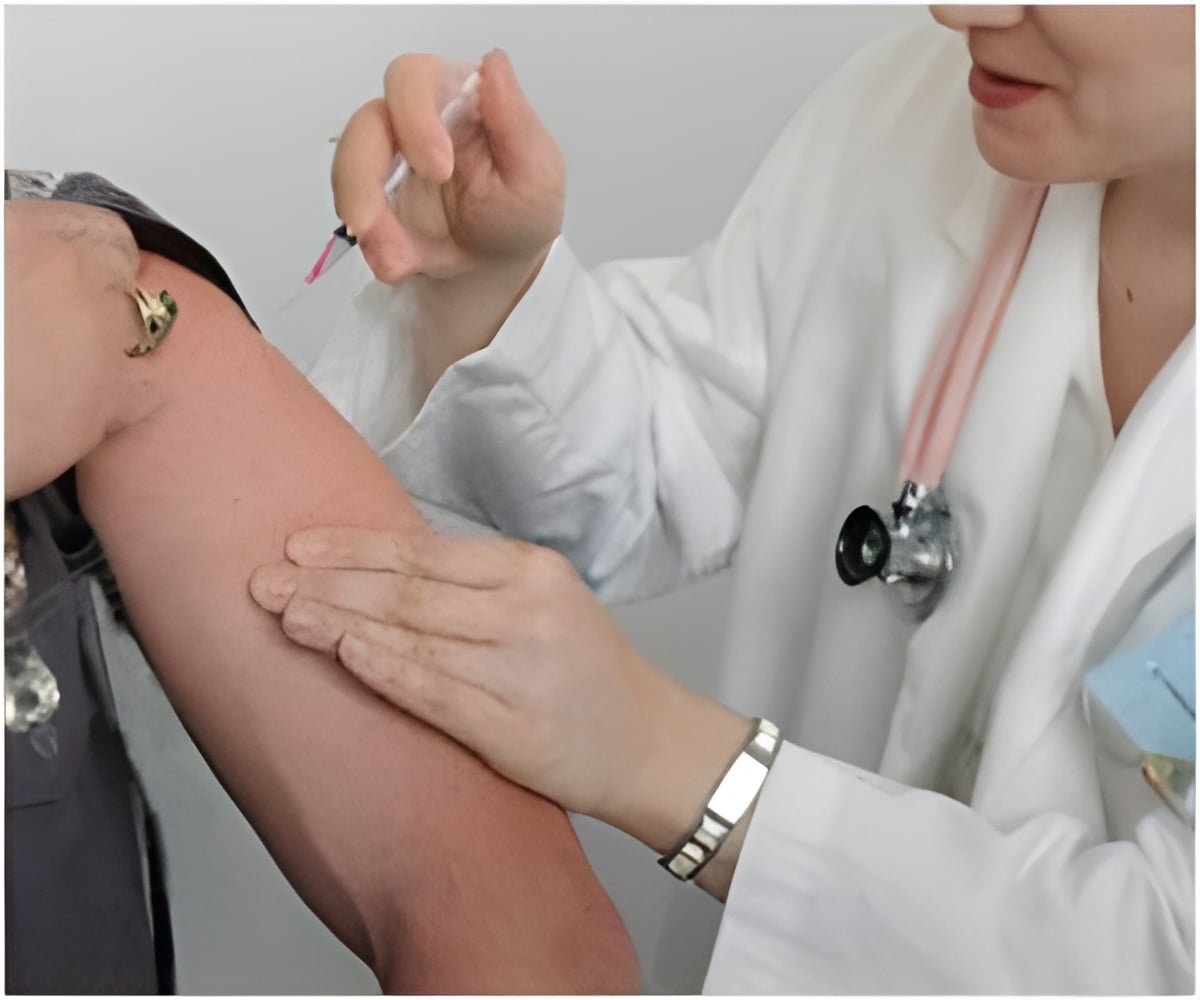
The world’s first clinical trial of a vaccine against Bundibugyo ebolavirus has officially begun after researchers at the University of Oxford vaccinated the first volunteer.
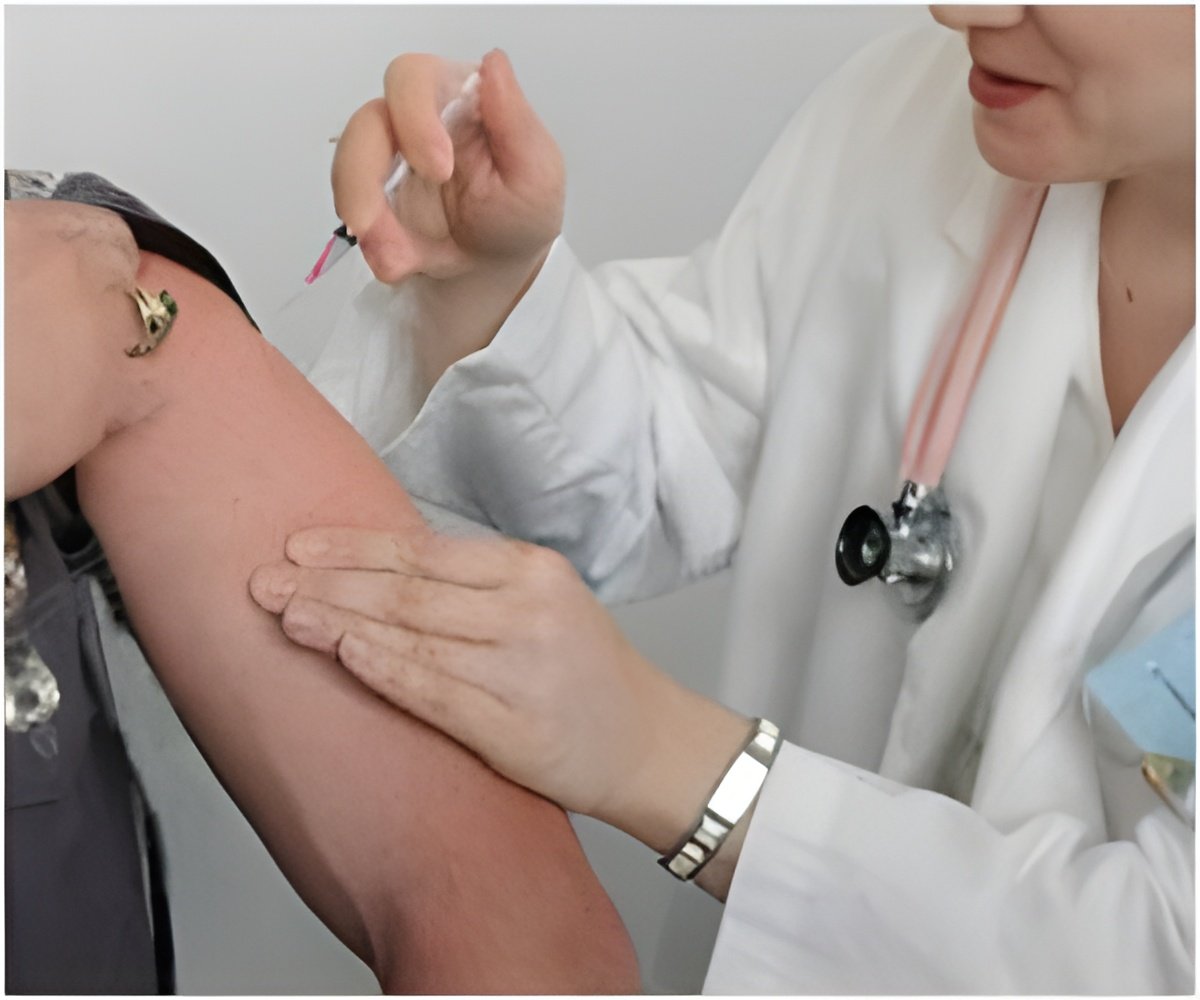
The University of Oxford has launched the world’s first human clinical trial evaluating a vaccine specifically designed to protect against Bundibugyo ebolavirus (BDBV).
The first volunteer has now been vaccinated in the BD-Ebov Phase I trial, marking the first time the ChAdOx1 BDBV vaccine has been administered in humans. (1✔ ✔Trusted Source
First volunteer vaccinated in the world’s first Bundibugyo ebolavirus vaccine trial
)
Developed by scientists from Oxford’s Oxford Vaccine Group and Pandemic Sciences Institute, the vaccine uses the same ChAdOx1 platform that was employed for the Oxford-AstraZeneca COVID-19 vaccine.
The programme progressed from concept to clinical testing in just eight weeks through collaboration between Oxford’s Clinical BioManufacturing Facility and the Serum Institute of India, which manufactured and stockpiled approximately 620,000 vaccine doses for potential future use.
Advertisement
Why Is This Bundibugyo Ebola Vaccine Trial a Global First?
This is the first-ever human clinical trial evaluating a vaccine specifically targeting Bundibugyo ebolavirus, one of the four Ebola virus species known to cause severe Ebola disease in humans.
Researchers say the trial represents an important milestone because there is currently no licensed vaccine against Bundibugyo ebolavirus. The study will continue recruiting volunteers over the coming weeks while scientists closely monitor vaccine safety and immune responses before advancing to larger studies.
The programme is supported by the Coalition for Epidemic Preparedness Innovations (CEPI) through an US$8.6 million funding initiative awarded to the University of Oxford and the Serum Institute of India to accelerate Bundibugyo vaccine development.
If early-stage studies are successful and regulatory approvals are obtained, additional clinical trials are planned in Uganda, with future late-stage studies aimed at generating evidence for emergency use authorisation or vaccine licensure.
Advertisement
How Was the Vaccine Developed So Quickly?
The ChAdOx1 BDBV vaccine was developed using the same viral vector technology previously used for the Oxford-AstraZeneca COVID-19 vaccine.
Scientists credited decades of vaccine research infrastructure, manufacturing expertise, and international collaboration for the rapid development timeline.
The Serum Institute of India manufactured the vaccine candidate in record time and produced approximately 620,000 doses within two weeks, while supplying 4,000 investigational doses for the ongoing clinical trial.
Researchers said the rapid transition from laboratory development to first-in-human testing demonstrates how existing vaccine platforms and manufacturing networks can accelerate responses during emerging infectious disease outbreaks.
Advertisement
What Does Earlier Research Suggest About ChAdOx1 Vaccine Technology?
According to a Phase I clinical trial published in The Lancet Microbe, the ChAdOx1 biEBOV vaccine platform, which targets both Ebola virus and Sudan virus, showed a favourable safety profile and generated immune responses against both viruses in healthy adult volunteers. (2✔ ✔Trusted Source
Safety and immunogenicity of a bivalent Ebola virus and Sudan virus ChAdOx1 vectored vaccine in adults in the UK: an open-label, non-randomised, first-in-human, phase 1 clinical trial
)
Researchers reported that vaccine-related side effects were generally mild to moderate, with no serious vaccine-related adverse reactions observed during the study.
A single high-dose vaccination generated antibody responses against both Ebola virus and Sudan virus, while a second dose further boosted immune responses.
Although the current Bundibugyo vaccine is a different candidate designed specifically against Bundibugyo ebolavirus, it is built on the same ChAdOx1 vaccine platform, providing researchers with previous experience regarding the platform’s safety, manufacturing capability, and ability to stimulate immune responses.
The Lancet Microbe study also highlights advantages of the ChAdOx1 platform, including rapid manufacturing, large-scale production, and suitability for outbreak settings.
Researchers say the ongoing Bundibugyo vaccine trial will now determine whether this platform can safely generate protective immune responses against another Ebola virus species and help strengthen preparedness for future outbreaks.
References:
- First Volunteer Vaccinated in the World’s First Bundibugyo Ebolavirus Vaccine Trial. (https://www.ox.ac.uk/news/2026-07-24-first-volunteer-vaccinated-in-the-worlds-first-bundibugyo-ebolavirus-vaccine-trial)
- Safety and Immunogenicity of a Bivalent Ebola Virus and Sudan Virus ChAdOx1 Vectored Vaccine in Adults in the UK: An Open-Label, Non-Randomised, First-in-Human, Phase 1 Clinical Trial. (https://www.thelancet.com/journals/lanmic/article/PIIS2666-5247(24)00290-8/fulltext)
The University of Oxford has launched the world’s first human clinical trial evaluating a vaccine specifically designed to protect against Bundibugyo ebolavirus (BDBV).
Source-Medindia