


The South Asian gut microbiome has a distinct microbial profile shaped by geography, diet, culture, and lifestyle. The SAMBAR study found that urbanization affects gut bacteria differently across South Asian communities.
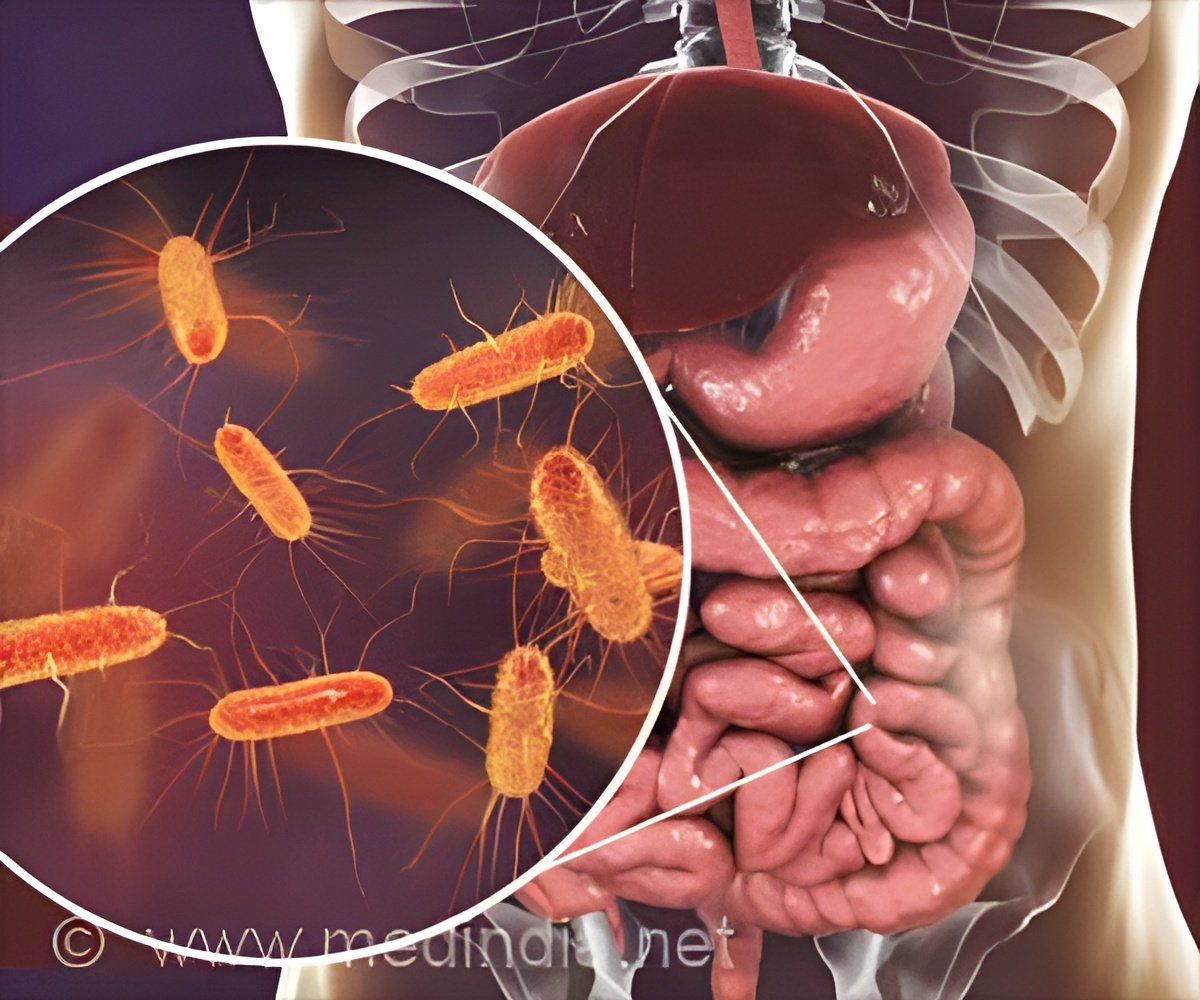
- 575 adults from 10 South Asian communities were studied in the SAMBAR research
- Geography and community strongly shaped gut-microbiome differences
- Urbanization was linked to Megamonas, higher blood glucose, and lower microbiome diversity
The human gut microbiome is not the same everywhere. Diet, geography, culture, lifestyle, and the environment can all influence the communities of bacteria living in the
New findings from the South Asian MicroBiome ARray (SAMBAR) study now show that these factors interact in complex ways across South Asia, with geography and community background sometimes having a stronger relationship with the gut
Distinct trajectories of urbanization shape the human gut microbiome across South Asia
).
Advertisement
How Did Urbanization Change the Gut Microbiome in South Asia?
The study examined the gut microbiomes of 575 adults from 10 culturally and geographically diverse South Asian communities.
Researchers compared people living in ancestral rural communities with members of the same communities living in urban areas.
The findings showed that moving to an urban lifestyle did not produce the same gut microbiome changes in everyone. Instead, the changes varied depending on where people came from, their community, and their lifestyle.
Key Microbiome Findings From the SAMBAR Study
| What researchers found | What it means |
|---|---|
| Community and geography had a strong influence | Where people came from and the community they belonged to were strongly linked to the types of microbes in their gut. |
| Urbanization changed the microbiome differently across communities | There was no single pattern of how the gut microbiome changes when people move from rural to urban settings. |
| Diet-related microbial changes were seen | In some communities, changes in lifestyle were accompanied by gut microbes linked to greater consumption of wheat and dairy foods. |
| Some microbes may help with dairy digestion | The researchers suggest that changes in the gut microbiome may help some people handle dairy even when they are not genetically well adapted to digest lactose. This is a possible explanation, not a proven effect. |
| Urban lifestyles were associated with Megamonas | Megamonas was strongly associated with urban living in the study and was also linked with higher blood glucose and lower gut microbiome diversity. |
| South Asian gut microbes differed from those in other world regions | The South Asian participants had a distinctive microbial profile, including greater representation of microbes such as Prevotellaceae and Succinivibrio, which are commonly associated with more traditional or rural lifestyles. |
Importantly, these findings show associations, not cause and effect. The study does not prove that urban living or any individual bacterium causes diabetes, obesity, or other diseases.
Instead, it suggests that urbanization, diet, geography, and culture work together to reshape the gut microbiome and that this process can look different from one South Asian community to another.
Advertisement
How Do Regional Indian Diets Shape the Gut Microbiome?
The World Gastroenterology Organisation (WGO) review highlights that India’s diverse food traditions can influence the composition of the gut microbiome.
A pan-India study of 110 healthy adults from Bhopal and Kerala found differences in gut bacteria linked to dietary patterns (2✔ ✔Trusted Source
The Impact of Regional Indian Diets on Gut Microbiota: A Unique Microbial Signature
- Fiber-rich, plant-based diets: Prevotella copri was more prominent in people following high-fiber, plant-based diets.
- Mixed or non-vegetarian diets: Bacteroides and Ruminococcus were more prevalent among people following these dietary patterns.
- Regional food habits: Wheat- and legume-based diets, rice- and fish-based diets, and fermented foods are examples of traditional food patterns that may contribute to different microbial profiles.
- Important limitation: The findings show an association between diet and gut bacteria. They do not prove that a particular diet or bacterium directly causes a health outcome.
The review also notes that these findings come from cross-sectional research, so they show an association between diet and the gut microbiome rather than proving that a particular diet or bacterium directly causes a health outcome.
Advertisement
How Could Gut Changes Affect Metabolic Health?
A recent gut–metabolic review explains why changes in gut bacteria may matter for metabolic health (3✔ ✔Trusted Source
Reconsidering Obesity in India Through a Gut-Metabolic Lens: Mechanistic Insights and the Emerging Role of Synbiotics in Individuals with the Thin-Fat Phenotype
):
- South Asians can develop metabolic problems at lower BMI: Higher visceral fat and lower muscle mass may occur even without obvious obesity.
- Fiber supports gut activity: Gut bacteria ferment fiber and produce short-chain fatty acids (SCFAs), which are involved in processes linked to blood sugar control and insulin sensitivity.
- The gut barrier matters: Changes in gut function may contribute to inflammation when bacterial components enter the bloodstream.
- One bacterium is not enough: The presence of Prevotella alone cannot show whether a person’s gut is healthy or producing enough SCFAs.
How Are Rural and Urban Lifestyles Changing the Gut Microbiome?
Evidence from other Indian populations helps put the main South Asian findings into context.
Two studies, conducted in different parts of India and using different population groups, found that gut microbiome patterns vary with lifestyle and living environment.
A recent study compared the gut microbiomes of 75 adults—25 tribal people from Mulluvadi, 25 rural people from Odugathur, and 25 urban people from Vellore (4✔ ✔Trusted Source
16S rRNA gene amplicon sequencing reveals lifestyle-associated gut microbiome variation among tribal, rural, and urban populations from North Arcot regions of Tamil Nadu, India
The three groups showed different patterns of microbial diversity. The tribal group had more microbial features linked with fiber breakdown and predicted SCFA-related activity, while the urban group showed greater representation of predicted pathways involved in membrane transport and processing foreign substances.
Similarly, an earlier Indian study found clear differences between urban and tribal gut microbiomes (5✔ ✔Trusted Source
Lifestyle-Induced Microbial Gradients: An Indian Perspective
Interestingly, some urban participants showed a mixed microbial pattern, with features seen in both groups.
Together, these findings add support to the main study: urbanization does not produce one identical gut microbiome; changes can differ across communities and lifestyles.
Could the Environment Also Change the Gut Microbiome?
Diet and lifestyle are not the only possible influences. A recent pilot study examined stool and soil samples from rural and urban settings (6✔ ✔Trusted Source
Soil influences on rural versus urban human gut microbiota and implications on cardio-metabolic health: a comparative pilot study
).
- Gut and soil microbes showed some overlap: The researchers found similarities between microbial communities in people’s stools and the soil around them.
- Rural and urban settings showed different patterns: The microbial groups found in the two environments were not identical.
- The evidence is still preliminary: The study involved only 20 samples, and the findings do not prove that soil exposure directly changes human health.
Moving from a rural setting to a city may therefore change more than diet and daily habits. It may also change a person’s exposure to the natural environment and the microbes around them.
How Can South Asian Health Benefit From the Study Findings?
The studies show that urbanization changes the gut microbiome in different ways across South Asian communities. Diet, lifestyle, geography, and the surrounding environment all appear to play a role.
Understanding these differences could help researchers identify which gut changes are linked to metabolic problems and whether healthier diets and lifestyles can improve gut health. In the future, this may support more personalized nutrition and healthcare for South Asian populations.
Frequently Asked Questions
Q: What Is the SAMBAR Study?
A: The South Asian MicroBiome ARray (SAMBAR) is a population-scale gut-microbiome study involving 575 adults from 10 geographically and socio-culturally diverse South Asian communities. Researchers compared ancestral rural communities with urban populations and examined how geography and lifestyle were associated with gut-microbiome composition.
Q: What Makes the South Asian Gut Microbiome Different?
A: The study found that South Asian microbiomes occupied a distinct compositional space compared with several global regional datasets. Microbial groups including Prevotellaceae, Succinivibrio and Holdemanella contributed to this distinct profile.
Q: Does Urban Living Harm the Gut Microbiome?
A: The study does not establish that urban living itself is harmful. Instead, it found that urbanization was associated with different microbiome changes across communities. Some urbanization-associated microbial patterns, including Megamonas, were linked with higher blood glucose and lower microbiome diversity, but these are associations rather than proof of causation.
Q: How Does Diet Affect the Indian Gut Microbiome?
A: Indian dietary patterns vary considerably by region and culture. Earlier research has associated high-fiber, plant-based diets with greater representation of Prevotella copri, while mixed or non-vegetarian diets have been associated with Bacteroides and Ruminococcus.
Q: Can Gut Bacteria Cause Diabetes or Obesity?
A: The current evidence does not support saying that individual gut bacteria directly cause diabetes or obesity. Gut microbes may interact with diet, inflammation, metabolism, body composition and other factors, but much of the available evidence shows associations rather than direct cause and effect.
Q: Could Gut Microbiome Research Improve Treatment for South Asians?
A: Potentially, but more research is needed. The SAMBAR findings could help researchers investigate community-specific and personalized nutrition or microbiome-based approaches. Larger clinical studies are needed before such strategies can become routine treatments.
Q: Should People Change Their Diet Based on Their Gut Microbiome?
A: Not solely because of this study. The findings do not provide a specific diet prescription for individuals. A balanced diet appropriate to a person’s health needs remains more important than trying to increase or eliminate a particular gut bacterium.
References:
- Distinct trajectories of urbanization shape the human gut microbiome across South Asia – (https://www.tandfonline.com/doi/full/10.1080/19490976.2026.2700042#d1e1405)
- The Impact of Regional Indian Diets on Gut Microbiota: A Unique Microbial Signature – (https://www.worldgastroenterology.org/publications/news-you-can-use/the-impact-of-regional-indian-diets-on-gut-microbiota-a-unique-microbial-signature)
- Reconsidering Obesity in India Through a Gut–Metabolic Lens: Mechanistic Insights and the Emerging Role of Synbiotics in Individuals with the Thin–Fat Phenotype – (https://link.springer.com/article/10.1007/s12325-026-03577-5)
- 16S rRNA gene amplicon sequencing reveals lifestyle-associated gut microbiome variation among tribal, rural, and urban populations from North Arcot regions of Tamil Nadu, India – (https://link.springer.com/article/10.1186/s12866-026-05506-6?)
- Lifestyle-Induced Microbial Gradients: An Indian Perspective – (https://pmc.ncbi.nlm.nih.gov/articles/PMC6928055/)
- Soil influences on rural versus urban human gut microbiota and implications on cardio-metabolic health: a comparative pilot study – (https://link.springer.com/article/10.1007/s13205-025-04675-x)
Source-Medindia