

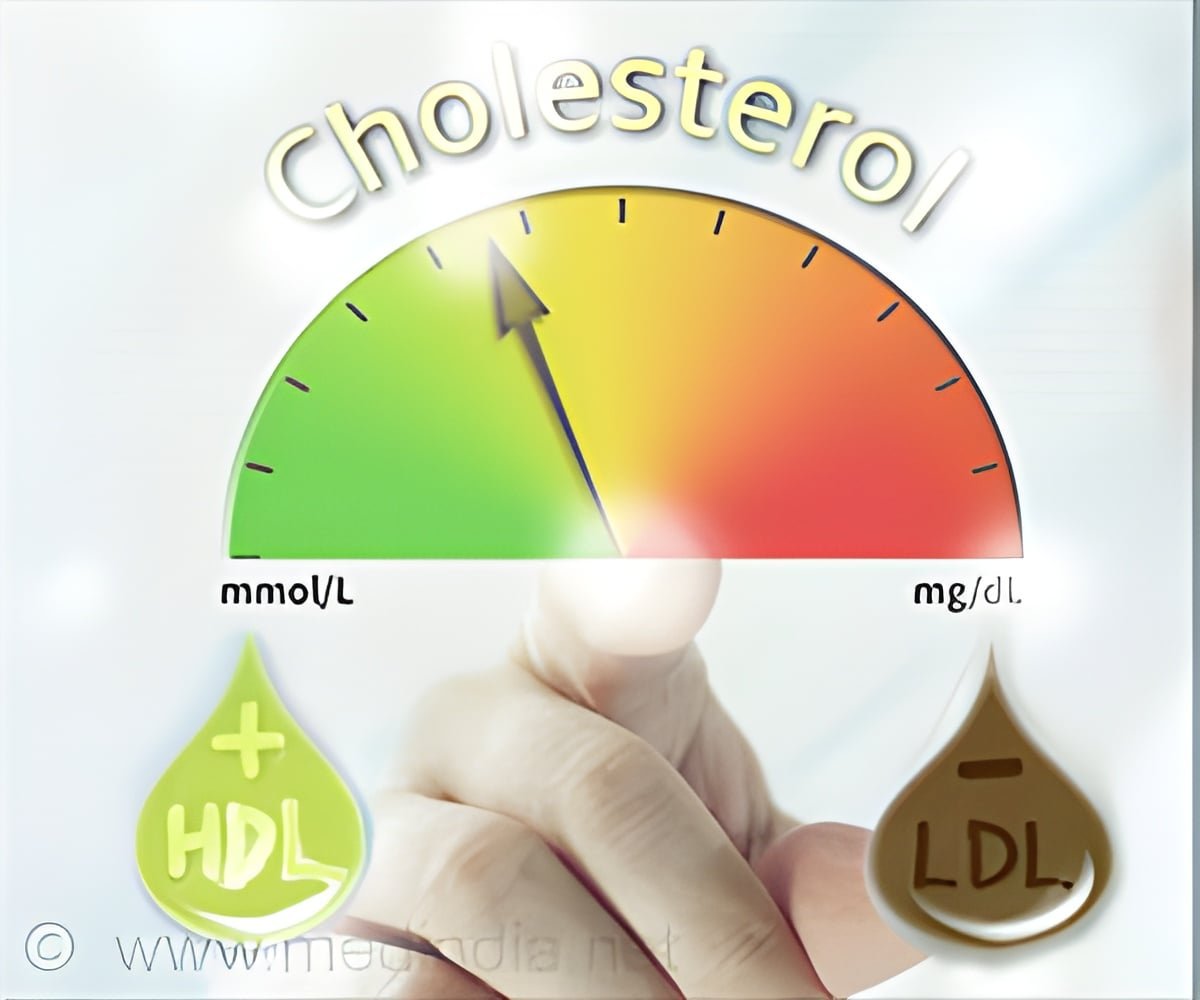
A large ICMR study has revealed that dyslipidemia affects most Indian adults, underscoring the need for earlier cholesterol screening and better heart disease prevention.
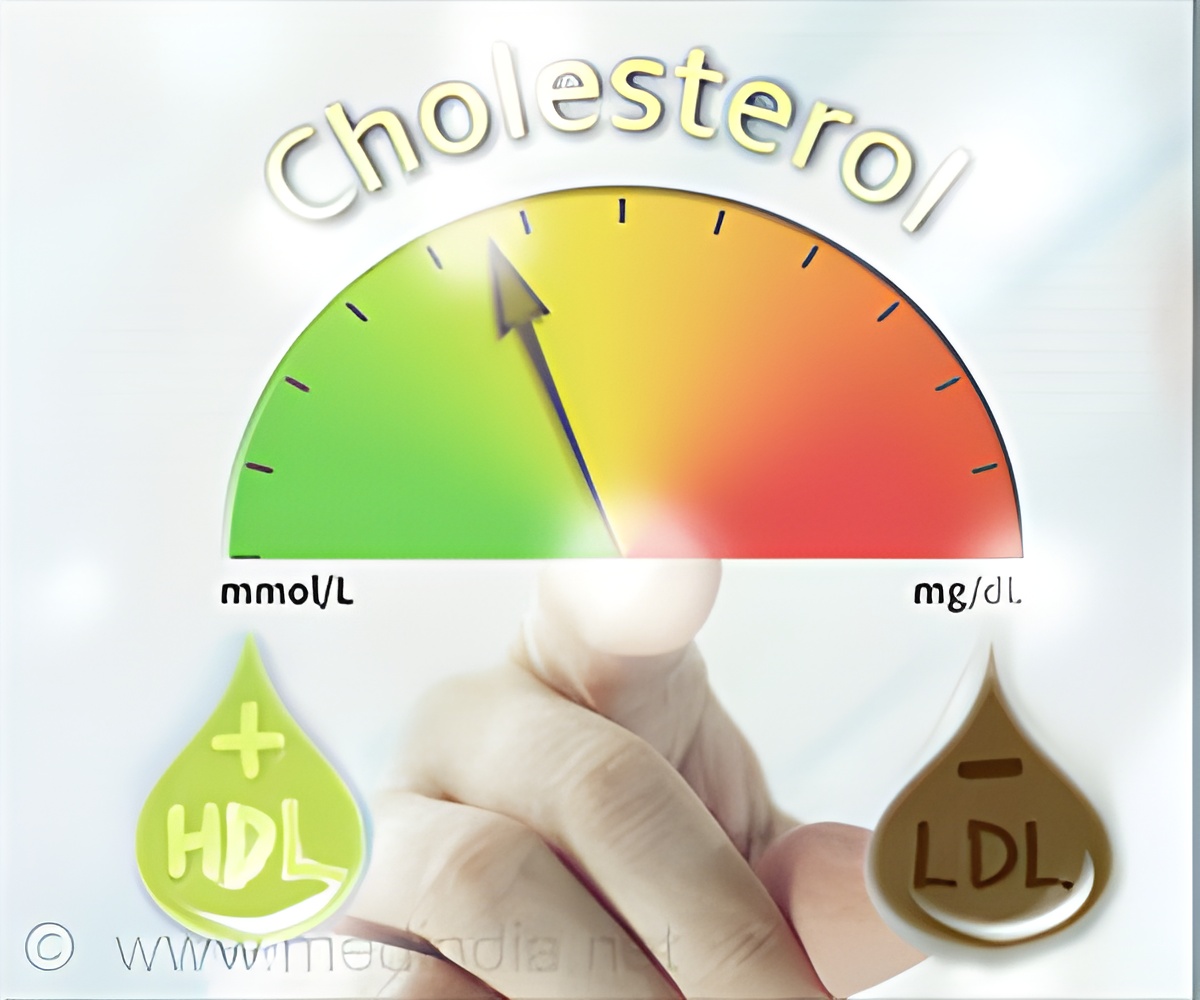
Abnormal cholesterol levels have become one of India’s biggest hidden health concerns, with nearly nine in ten adults having at least one unhealthy blood lipid level.
According to a nationwide study published in the Journal of Clinical Lipidology, findings from the ICMR-INDIAB survey show that dyslipidemia is widespread across both urban and rural India, increasing the country’s future risk of heart attacks and strokes. (1✔ ✔Trusted Source
PREVALENCE OF DYSLIPIDEMIA IN INDIA: THE ICMR–INDIAB NATIONAL STUDY (ICMR-INDIAB–25)
)
Researchers say the findings highlight the need for earlier cholesterol screening and stronger prevention strategies.
Advertisement
What Did the National ICMR Study Reveal About Cholesterol in India?
The study analyzed fasting blood samples from 23,665 adults selected from the nationally representative ICMR-INDIAB survey, which included more than 1.21 lakh adults aged 20 years and above across all states and Union Territories.
Researchers found that 87.3% of Indian adults had dyslipidemia, meaning they had at least one abnormal blood lipid level.
The most common abnormality was:
- Low HDL (good) cholesterol – 66.8%.
- High LDL (bad) cholesterol.
- Elevated triglycerides.
- High total cholesterol.
The burden was higher among women, urban residents, and people living in Central India.
Abnormal cholesterol levels were also more common in people with diabetes, prediabetes, obesity, and hypertension. However, nearly 40% of metabolically healthy individuals also had dyslipidemia, showing that unhealthy cholesterol is not limited to people with known lifestyle diseases.
Advertisement
Who Is Most at Risk and Why Does It Matter?
According to the study, dyslipidemia was associated with:
- Younger age.
- Female sex.
- Sedentary lifestyle.
- Obesity.
- Hypertension.
- Diabetes.
Researchers warn that abnormal cholesterol levels silently damage blood vessels over time, greatly increasing the risk of atherosclerotic cardiovascular disease (ASCVD), including heart attacks and strokes.
The accompanying Lipid Association of India (LAI) recommendations, also published in the Journal of Clinical Lipidology, note that Indians develop cardiovascular disease nearly a decade earlier than Western populations.(2✔ ✔Trusted Source
Lipid Association of India 2023 update on cardiovascular risk assessment and lipid management in Indian patients: Consensus statement IV
The report also highlights that more than half of coronary artery disease-related deaths occur before the age of 50 years, emphasizing the importance of detecting cholesterol problems before symptoms develop.
Advertisement
How Can Indians Lower Their Cholesterol and Heart Disease Risk?
The researchers recommend broader cholesterol screening rather than testing only people with diabetes or obesity. The Lipid Association of India also advises assessing a person’s lifetime cardiovascular risk and starting preventive measures early because cholesterol-related heart disease develops at younger ages in Indians.
Managing dyslipidemia includes:
- Getting regular lipid profile tests.
- Maintaining a healthy body weight.
- Exercising regularly.
- Eating a heart-healthy diet low in saturated and trans fats.
- Controlling blood sugar and blood pressure.
- Avoiding tobacco.
For people at higher cardiovascular risk, Statins remain the first-line treatment. Additional medicines such as Ezetimibe, Bempedoic acid, or PCSK9 inhibitors may be used when cholesterol targets are not achieved.
The guidelines also recommend individualized LDL cholesterol targets based on a person’s overall cardiovascular risk, with more intensive cholesterol lowering for those at very high risk.
References:
- PREVALENCE OF DYSLIPIDEMIA IN INDIA: THE ICMR–INDIAB NATIONAL STUDY (ICMR-INDIAB–25) – (https://www.sciencedirect.com/science/article/abs/pii/S193328742600440X)
- Lipid Association of India 2023 update on cardiovascular risk assessment and lipid management in Indian patients: Consensus statement IV – (https://www.sciencedirect.com/science/article/pii/S1933287424000060)
Source-Medindia