

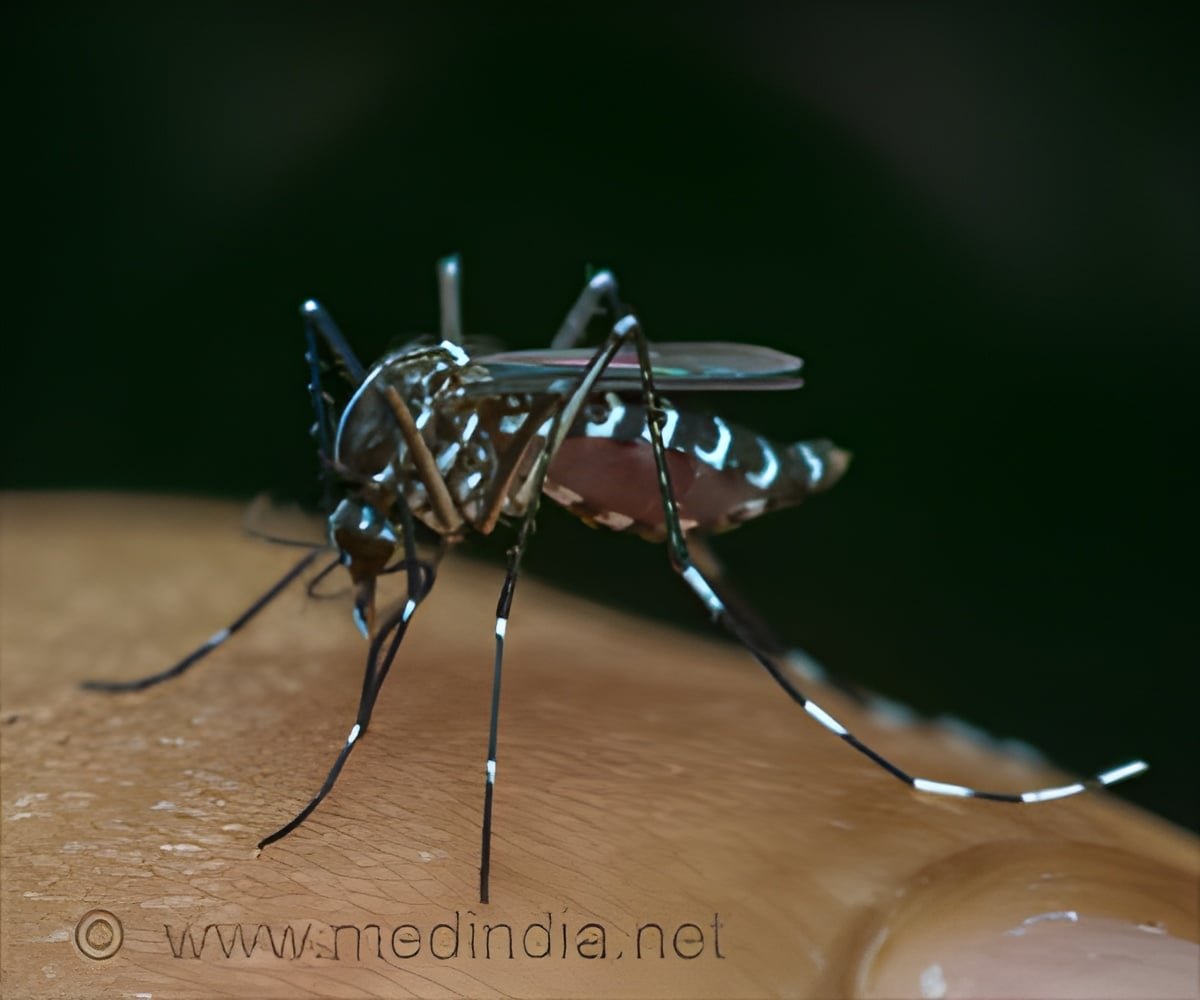
Six Frankfurt Airport workers contracted malaria and two have died in an exceptionally rare episode of “airport malaria.” Officials suspect infected mosquitoes arrived aboard an aircraft, but laboratory investigations are continuing to determine the precise source.
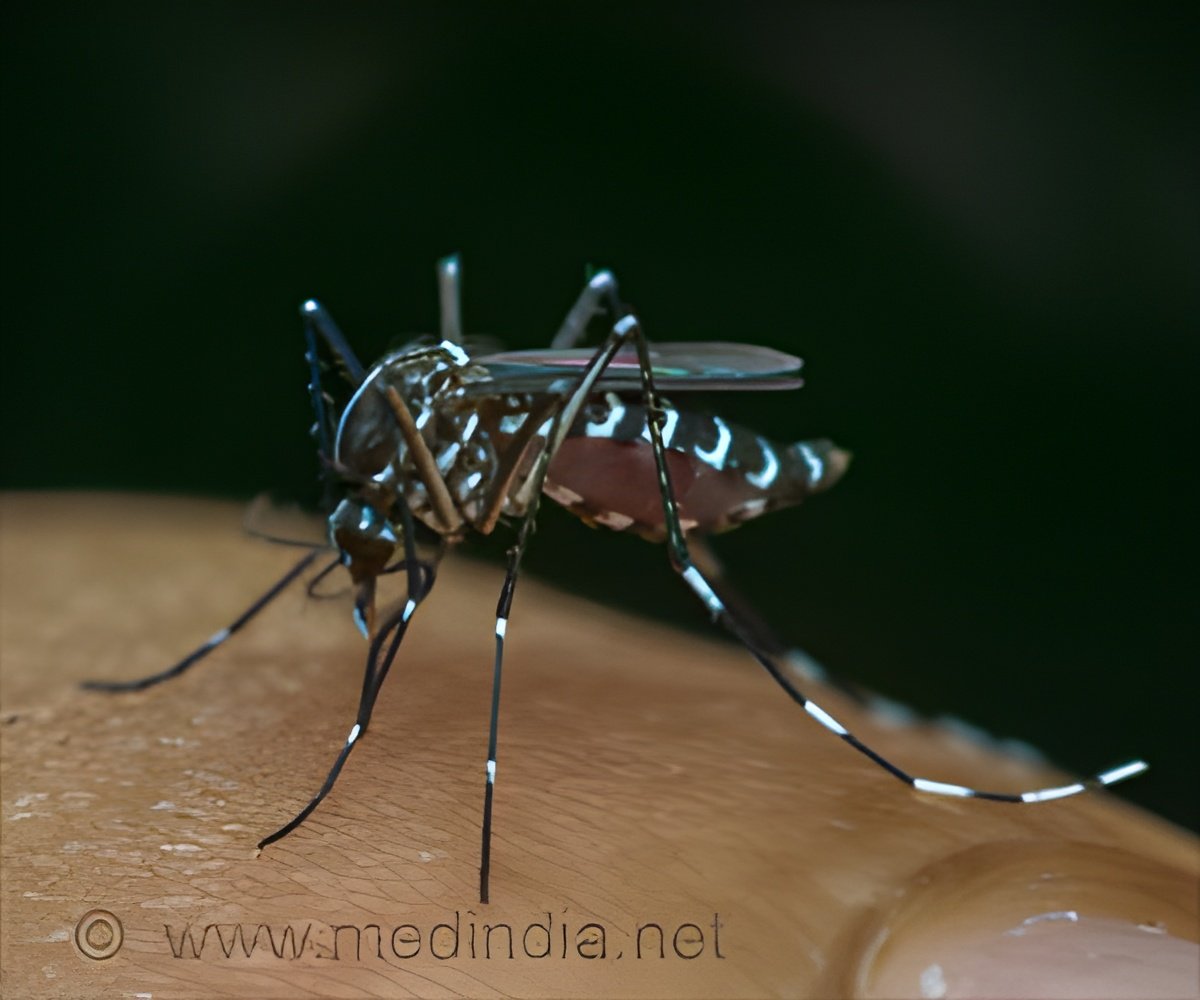
Two Frankfurt Airport employees have died after a rare malaria outbreak affected six workers at Germany’s busiest airport.
The Frankfurt Public Health Department confirmed that the first death occurred in early July. The cause was reportedly established only after the patient died. A second affected employee died in August.
Airport operator Fraport initially confirmed one fatality before health officials announced that two of the six infected workers had died. The four surviving employees were receiving medical care, although detailed information about their conditions was not released.
The workers reportedly performed different jobs in different parts of the airport. Authorities believe their infections were connected to occupational exposure at Frankfurt Airport rather than travel to a malaria-endemic country.
Public-health investigators have not yet established whether one infected mosquito caused multiple infections or whether several mosquitoes were involved.
Advertisement
Officials Suspect Mosquitoes Arrived on an Aircraft
The leading explanation is that one or more infected mosquitoes travelled to Germany through an aircraft arriving from a malaria-endemic region.
Mosquitoes can survive a flight inside an aircraft cabin, cargo hold, baggage compartment or transported luggage. If an infected mosquito escapes and subsequently bites a person at or near the airport, it can transmit malaria even though that individual has never visited an endemic country.
This phenomenon is commonly called airport malaria. The broader term “Odyssean malaria” may also be used for infections caused by mosquitoes transported by aircraft, baggage, parcels, ships or other vehicles.
The description does not mean that malaria is transmitted by the aircraft itself. Transmission still requires the bite of an infected mosquito carrying a malaria parasite.
The Robert Koch Institute’s initial report documented four airport-associated cases involving Plasmodium falciparum, the parasite responsible for the most dangerous form of malaria.Those employees became ill between July 4 and 6 and did not have travel histories that could explain their infections.
Two further infections were subsequently identified, bringing the outbreak total to six.
Advertisement
Mosquito and Blood Samples Are Being Analysed
Mosquito traps have been installed around the airport, and captured insects are being examined to identify their species and possible geographical origin.
Investigators are also analysing samples from the patients.Comparing the parasites detected in their blood may help determine how closely the infections are related and whether they could have originated from the same imported mosquito population.
However, laboratory results are not expected immediately. Genetic and entomological investigations may require several weeks, and the mosquito responsible for the infections may no longer be present.
Failure to capture an infected mosquito would not disprove the airport-malaria explanation. Mosquitoes have short lifespans, may be killed before traps are installed or may move beyond the original exposure location.
Authorities have therefore described the imported-mosquito explanation as the most likely scenario rather than a conclusively proven chain of transmission.
Advertisement
The Risk to Frankfurt’s General Population Is Very Low
Frankfurt health officials said the risk to the wider population is considered extremely low.
Malaria does not spread through ordinary contact with an infected person. It cannot be transmitted by shaking hands, sharing food, coughing, sneezing or working in the same room.
The disease is generally transmitted when a female Anopheles mosquito bites an infected person, acquires the parasite and later bites someone else. In the Frankfurt outbreak, officials believe the mosquitoes were already infected before arriving in Germany.
Although some Anopheles mosquito species are present in Germany and could theoretically transmit malaria under suitable conditions, sustained local transmission remains extremely uncommon.
The six cases were also associated with people working at the airport rather than evidence of widespread transmission across Frankfurt. Health authorities have not recommended malaria testing or preventive medication for the general population.
Airport Malaria Is Rare but Well Documented
Malaria cases reported in Germany almost exclusively involve people infected while travelling in tropical or subtropical regions.
Airport malaria is different because the patient may have no recent international travel history. The infection can occur inside an aircraft, at an airport or within the surrounding area after an imported mosquito escapes.(1✔ ✔Trusted Source
Airport and luggage (Odyssean) malaria in Europe: a systematic review
A systematic review published in Eurosurveillance identified 145 airport- or luggage-associated malaria cases in Europe between 1969 and January 2024. Of these, 105 were classified as airport malaria, 32 as luggage malaria and eight could not be placed in either category.
Nine of the documented cases occurred in Germany. Frankfurt Airport has previously experienced airport-associated malaria. Clusters were reported among workers in 2019 and 2022, while another case was recorded in 2023.
These incidents remain exceptionally uncommon when compared with the enormous number of passengers, flights and airport employees moving through European aviation hubs each year.
Nevertheless, researchers have called for stronger surveillance and regular assessment of aircraft-disinfection procedures, particularly for flights arriving from malaria-endemic regions.
Absence of Travel History Can Delay Diagnosis
Airport malaria presents a difficult diagnostic problem because doctors usually consider malaria most strongly when a patient has recently visited an endemic country.
A Frankfurt airport worker with fever and no international travel history may initially be evaluated for influenza, COVID-19, another viral infection or a bacterial illness. Malaria may not be suspected until the disease has progressed.(2✔ ✔Trusted Source
Malaria
The RKI has warned that the absence of a relevant travel history can delay diagnosis and increase the risk of severe disease.
Fraport has informed airport employees about the outbreak and advised them to obtain medical care if they develop compatible symptoms.
Workers have also been encouraged to tell clinicians that they are employed at Frankfurt Airport, even if they have not travelled abroad.
Malaria Symptoms Can Initially Resemble Other Illnesses
Early malaria symptoms commonly include fever, headache, chills, sweating, tiredness, nausea and muscle pain. They usually begin 10–15 days after an infected mosquito bite, although the timing can vary.
As these symptoms resemble other illnesses, testing may be delayed. Confusion, seizures, breathing difficulty, jaundice, fainting or impaired consciousness may indicate severe malaria and require emergency care.
Malaria Requires Prompt Testing but Does Not Normally Spread Between People
Malaria is diagnosed by detecting parasites or malaria antigens in the blood through microscopy or rapid diagnostic tests. Treatment depends on the parasite species, disease severity and individual factors. Artemisinin-based combination therapies are commonly used for uncomplicated P. falciparum malaria, while severe cases require urgent hospital treatment.
Malaria does not spread through coughing, physical contact or sharing the same terminal with an infected person. It is usually transmitted through the bite of an infected Anopheles mosquito.
Rare blood-related transmission can occur, but it is unrelated to the suspected Frankfurt outbreak. Early diagnosis and complete treatment remain essential to prevent severe illness and death.
Airport Authorities Have Increased Surveillance
Fraport has distributed health information to employees and advised anyone with compatible symptoms to consult a doctor and disclose their airport connection.
Mosquito traps have been placed at the airport, and captured specimens are undergoing laboratory examination. The response is being coordinated with the Frankfurt Public Health Department and the Robert Koch Institute.
Investigators are examining where the affected workers were stationed, whether their movements overlapped and which flights arrived during the suspected exposure period. However, identifying a particular aircraft or country of origin may be difficult.
Aircraft-disinfection practices may also be reviewed. Disinfection involves using approved insect-control procedures to reduce the chance that disease-carrying mosquitoes survive international flights.(1✔ ✔Trusted Source
Airport and luggage (Odyssean) malaria in Europe: a systematic review
However, identifying a single aircraft or country of origin may be difficult because Frankfurt handles large numbers of international flights and the infections were recognized only after the suspected exposure had occurred.
Travellers Do Not Need to Avoid Frankfurt Airport
Health officials consider the risk to passengers and the wider Frankfurt population very low. Airport malaria requires an infected mosquito to survive transportation, escape from an aircraft or baggage and then bite a susceptible person.
Travellers do not need antimalarial medication solely because they are passing through Frankfurt. However, anyone who develops fever after visiting a malaria-risk country should promptly seek medical care and provide their complete travel history.
The Outbreak Highlights an Occupational Risk
The Frankfurt cases show that workplace exposure can matter even when a patient has not travelled abroad.
Airport, airline, cargo and baggage-handling employees may encounter insects transported through international aircraft, luggage or freight.
This does not mean malaria is becoming established across Germany. It highlights a narrow but serious occupational risk and the need for clinicians to consider a patient’s workplace when investigating unexplained fever.
Malaria Remains a Major Global Health Threat
While airport malaria is rare, malaria itself continues to impose an enormous global burden.
The WHO World Malaria Report 2025 estimated that 282 million malaria cases and 610,000 deaths occurred across 80 countries in 2024.
Approximately 95% of global cases and deaths occurred in the WHO African Region. Children younger than five accounted for about three-quarters of malaria deaths in that region.
WHO-recommended vaccines and other interventions helped prevent an estimated 170 million cases and one million deaths during 2024. Forty-seven countries and one territory have now received WHO malaria-free certification.
The Frankfurt outbreak represents a highly unusual form of transmission, but the suspected arrival of infected mosquitoes by aircraft also illustrates how international transport can move disease vectors beyond their usual geographical range.
The Precise Source Remains Under Investigation
Laboratory testing may establish whether the parasites detected in the workers are genetically related and whether captured mosquitoes belong to species associated with particular regions.
What is confirmed is that six Frankfurt Airport employees contracted malaria and two died.
Authorities consider occupational exposure to imported mosquitoes the most likely explanation, but no particular mosquito, aircraft, flight or country of origin has yet been conclusively identified.
Reference:
- Airport and luggage (Odyssean) malaria in Europe: a systematic review- (https://link.springer.com/article/10.1007/s13181-026-01121-z)
- Malaria- (https://www.who.int/news-room/fact-sheets/detail/malaria)