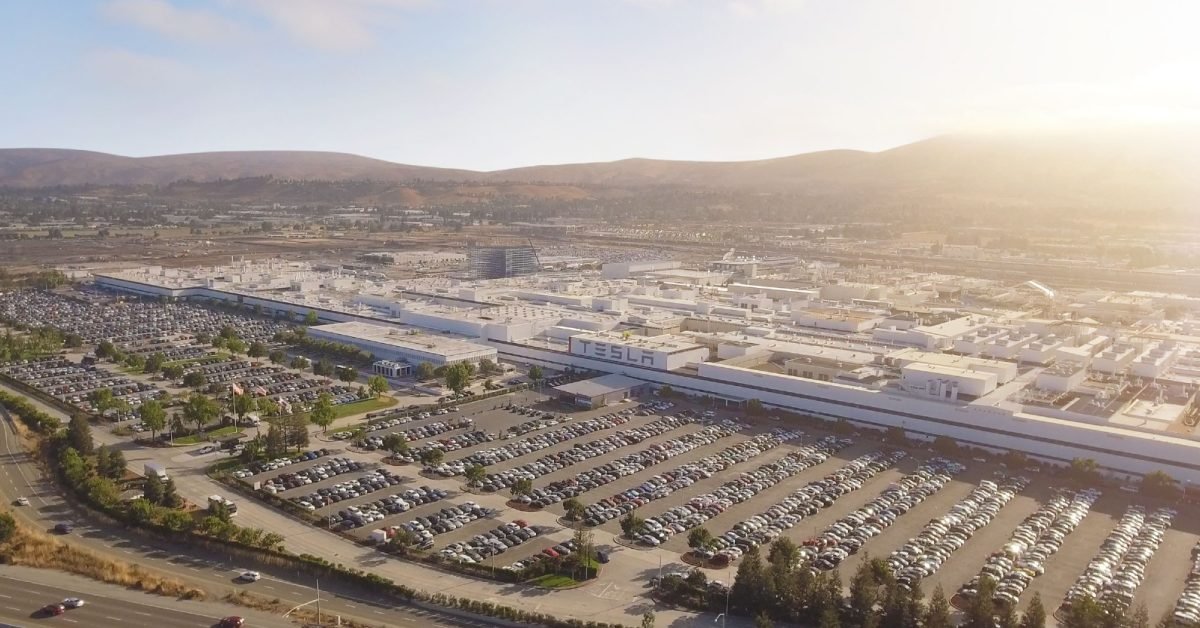
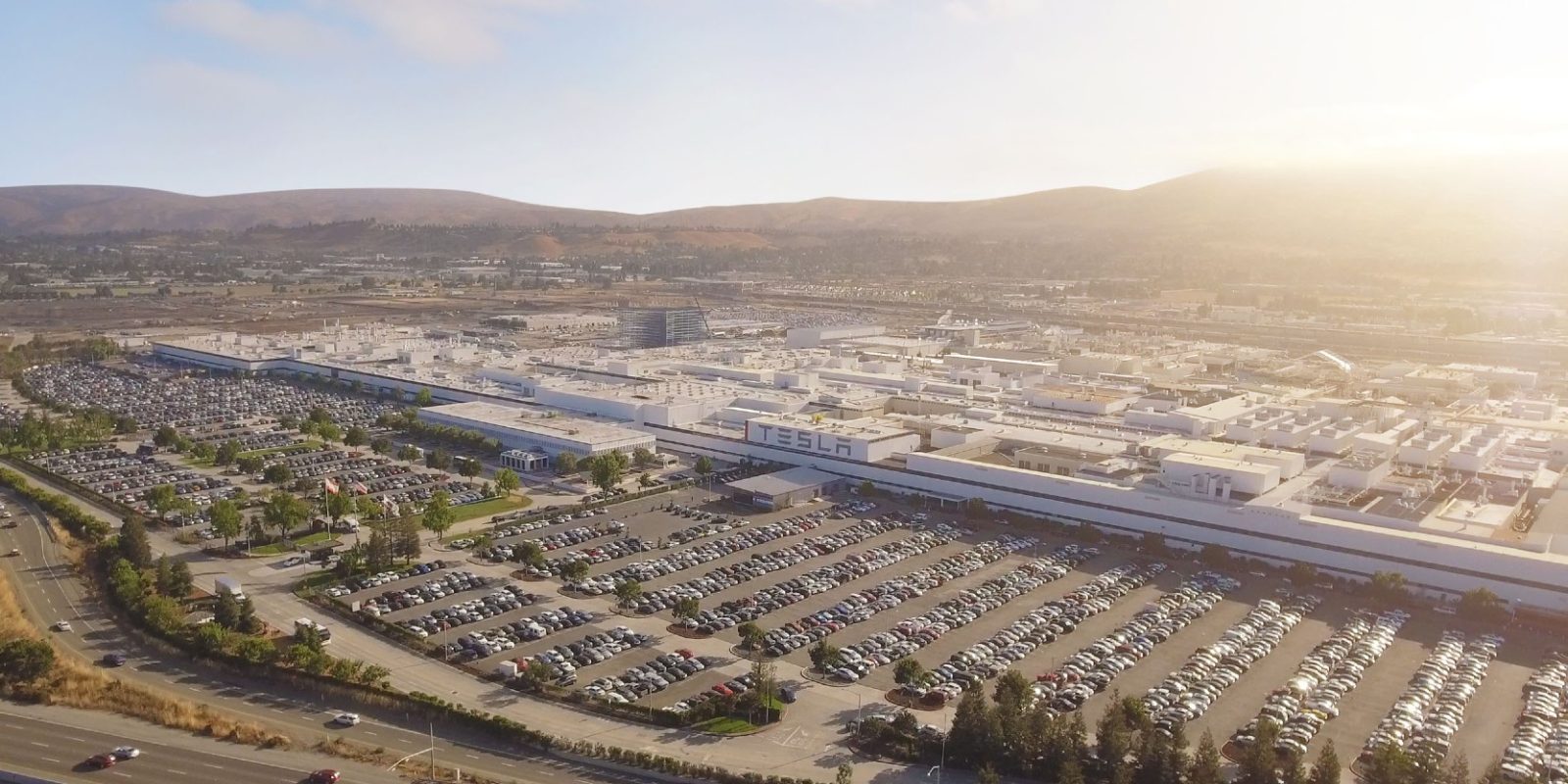
Tesla ran through its entire share of California’s new MyFirstEV rebate program in just five days.. The rebate only went live for Tesla buyers on August 3.
Buyers claimed roughly half of Tesla’s allocation in the first three days and drained the rest by August 8, spending an estimated $18 million in state and matching rebates on Tesla vehicles alone.
How the program works
MyFirstEV launched this month with $135.5 million in state money, matched dollar-for-dollar by participating automakers for a combined pool of about $271 million. Governor Gavin Newsom’s office confirmed the details last week.
It gives first-time EV buyers $3,500 off a new EV priced under $50,000, or $1,750 off a used one selling for under $25,000. There’s no income cap, and the discount is applied at the point of sale. No application, no waiting.
The money is split across roughly 13 automakers, which works out to something like $9 million in state funds each before the manufacturer match. Tesla, Hyundai, and Lucid were the first brands live. Ford, Rivian, Chevy, and Kia come online later in August, with Toyota, Honda, and Subaru starting in September.
We covered the program’s design back in July, when it became clear that California’s rebate structure quietly favors Rivian and Lucid over Tesla. The $50,000 price cap is waived for EVs built by California-headquartered, EV-only automakers, which describes Rivian and Lucid but not Tesla, which moved its headquarters to Texas in 2021. Only Tesla’s sub-$50,000 Model 3 and Model Y configurations qualify.
Tesla still sells more EVs in California than anyone
Here’s the context that makes the five-day burn rate obvious. Tesla registered 45,953 vehicles in California in the second quarter, up 11.8% year over year, according to the California New Car Dealers Association. That’s roughly 500 cars a day.
Tesla accounted for 56.7% of every ZEV registered in the state through June. Its Model Y alone booked 54,327 registrations in the first half of the year and owns 57.5% of the luxury compact SUV segment.
So a pot covering a few thousand rebates, handed to the brand that moves 500 eligible EVs a day, was never going to last more than a week.
Electrek’s Take
None of this is surprising. Tesla drained its slice fastest because Tesla still sells more EVs in California than any other brand. By a wide margin. Even off its peak, it’s the volume leader, so it was always going to hit the ceiling first.
And its California sales are down. Registrations crashed 24% in the first quarter after the federal $7,500 tax credit expired, and Tesla is still down 6.5% year-to-date. But down from peak doesn’t mean small. Tesla rebounded 11.8% in Q2 and controls more than half the state’s EV market. When you sell that many cars, a $9 million rebate bucket empties in days no matter what your year-over-year chart looks like.
If you’re buying an EV, the cheapest fuel you can put in it comes off your own roof. With electricity rates up almost 10% last year and expected to keep climbing, going solar is one of the best ways to protect yourself against rising costs. And with lease and PPA options, you can do it with zero upfront cost and start saving immediately. If you want to find the best deal, check out EnergySage. It’s a free service with hundreds of pre-vetted installers competing for your business, so you save 20 to 30% compared to going it alone. No sales calls until you pick an installer. Get your free quotes here.


FTC: We use income earning auto affiliate links. More.