

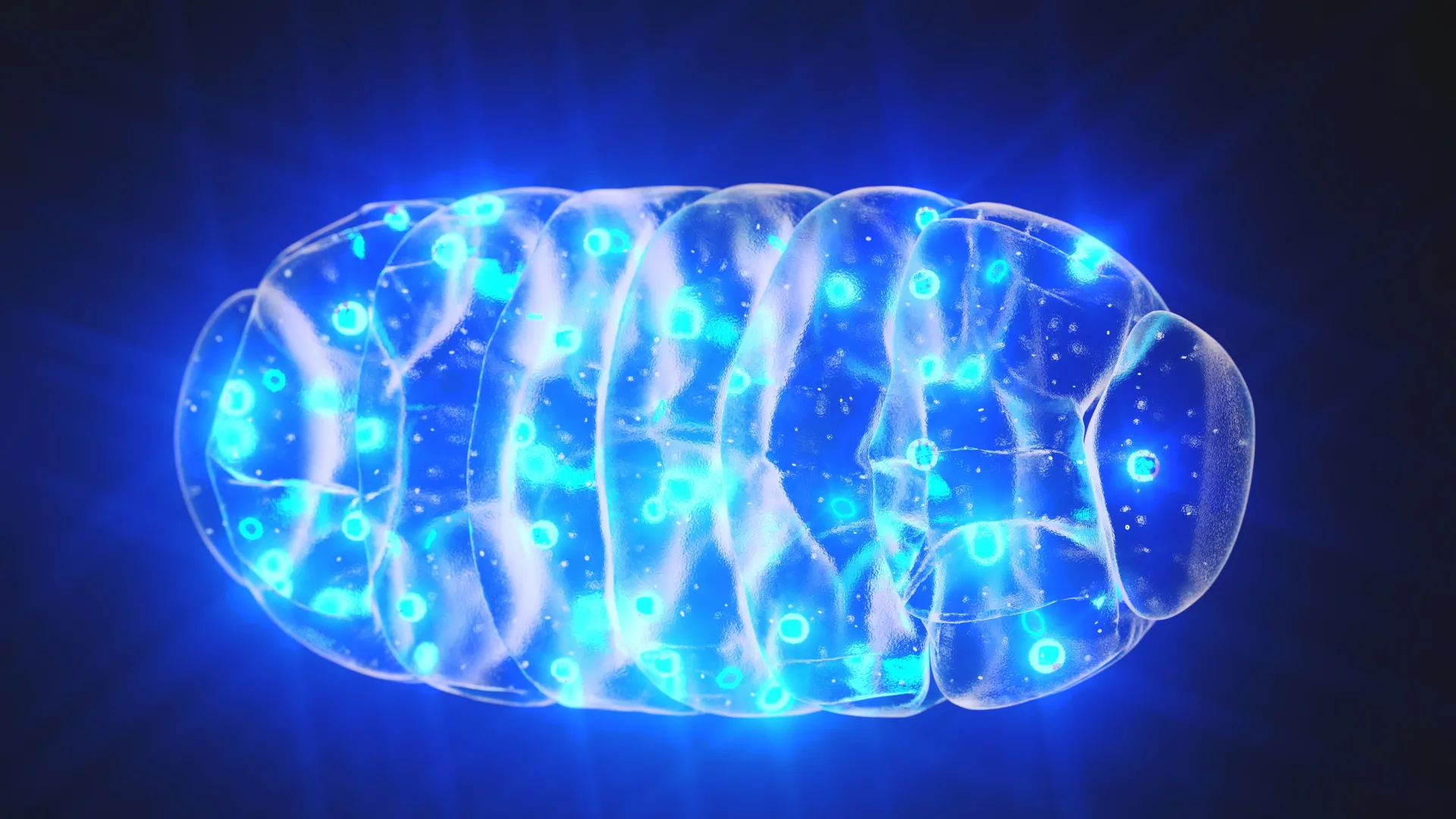
Mitochondria are often described as the power plants of the cell, but in the brain, their role may be even more important than scientists once realized. These tiny structures supply the energy that neurons need to communicate, form memories, and keep the brain working smoothly.
In a study published in Nature Neuroscience, researchers from Inserm and the University of Bordeaux at the NeuroCentre Magendie, working with scientists at the Université de Moncton in Canada, reported a major step forward in understanding dementia. Their results showed a direct cause and effect link between faulty mitochondrial activity and cognitive symptoms associated with neurodegenerative disease.
Brain Energy and Memory Loss
The team created a highly specific tool that allowed them to temporarily increase mitochondrial activity in animal models of neurodegenerative disease. When they boosted the brain’s energy machinery, memory problems improved.
Although the findings are still early and were observed in animal models, they point to an intriguing possibility: mitochondria may not simply break down after brain disease begins. Instead, their failure may help drive the symptoms that appear as dementia develops.
That idea could reshape how scientists think about future treatments. If brain cell energy failure contributes to memory loss, then restoring mitochondrial function may one day become a strategy for slowing or reducing symptoms.
Why Mitochondria Matter in the Brain
A mitochondrion is a small structure inside the cell that helps generate the energy required for normal function. This matters especially in the brain, which consumes a large amount of the body’s energy.
Neurons depend on that energy to send signals to one another. When mitochondrial activity drops, neurons may no longer have enough power to work properly. Over time, that energy shortage could weaken communication in the brain and contribute to memory and thinking problems.
Neurodegenerative diseases involve the gradual decline of neuronal function, followed by the death of brain cells. In Alzheimer’s disease, researchers have long observed that mitochondrial problems appear alongside neuronal degeneration, often before cells die. Until recently, however, it was difficult to determine whether mitochondrial dysfunction helped cause the disease process or merely appeared as a result of it.
A Tool Designed to Recharge Mitochondria
To explore that question, the researchers developed a tool that can temporarily stimulate mitochondrial activity. Their reasoning was simple but powerful. If increasing mitochondrial activity improved symptoms in animals, that would suggest mitochondrial impairment can come before neuron loss and contribute directly to cognitive decline.
Earlier work by the research teams had already identified a role for G proteins, which have the specific role of enabling the transfer of information within cells, in regulating mitochondrial activity in the brain. In the 2025 study, they built an artificial receptor called mitoDreadd-Gs. This receptor was designed to activate G proteins directly inside mitochondria, which in turn stimulated mitochondrial activity.
When mitoDreadd-Gs was activated in the brain, mitochondrial activity returned to normal levels. Memory performance also improved in mouse models of dementia.
A Possible New Target for Dementia Research
“This work is the first to establish a cause-and-effect link between mitochondrial dysfunction and symptoms related to neurodegenerative diseases, suggesting that impaired mitochondrial activity could be at the origin of the onset of neuronal degeneration,” explains Giovanni Marsicano, Inserm research director and co-senior author of the study.
The results do not mean that a treatment is ready for patients. The work was performed in animal models, and much more research is needed to determine whether similar approaches could be safe, durable, and effective in humans.
Still, the findings add momentum to a growing shift in dementia research. Scientists are increasingly looking beyond the familiar hallmarks of Alzheimer’s disease, such as amyloid plaques and tau tangles, to examine how energy production, metabolism, inflammation, and cellular stress may shape the disease from its earliest stages.
Recent research has continued to strengthen that broader view. A recent Mayo Clinic study linked disruptions in mitochondrial complex I, a key part of the cell’s energy system, to Alzheimer’s disease progression and potential treatment response. Reviews published afterward have also described mitochondrial failure as an early and potentially central feature of Alzheimer’s biology, not merely a late consequence of brain damage.
“These results will need to be extended, but they allow us to better understand the important role of mitochondria in the proper functioning of our brain. Ultimately, the tool we developed could help us identify the molecular and cellular mechanisms responsible for dementia and facilitate the development of effective therapeutic targets,” explains Étienne Hébert Chatelain, professor at the Université de Moncton and co-senior author of the study.
What Comes Next
The next major question is whether longer term stimulation of mitochondrial activity can do more than improve memory symptoms. Researchers now want to know whether restoring mitochondrial function could slow neuron loss, delay disease progression, or possibly help prevent damage before it becomes irreversible.
“Our work now consists of trying to measure the effects of continuous stimulation of mitochondrial activity to see whether it impacts the symptoms of neurodegenerative diseases and, ultimately, delays neuronal loss or even prevents it if mitochondrial activity is restored,” added Luigi Bellocchio, Inserm researcher and co-senior author of the study.
For now, the discovery offers a striking message: memory loss may be tied not only to dying brain cells, but also to living neurons that are running short on energy. By learning how to recharge those tiny engines, scientists may be opening a new path in the fight against dementia.