

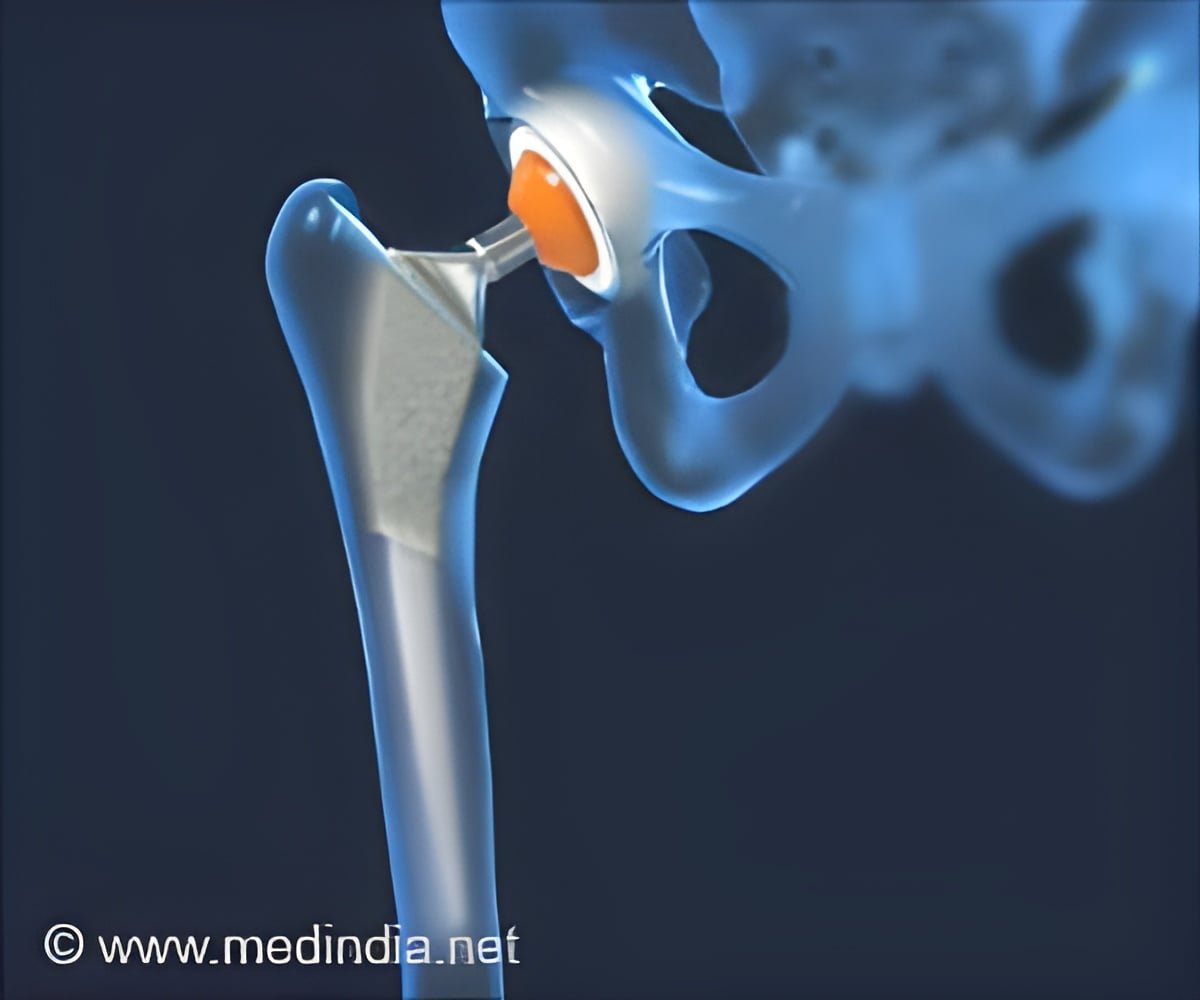
Low-dose aspirin alone may prevent blood clots after hip and knee replacement surgery as effectively as rivaroxaban followed by aspirin. Learn what the findings mean and who should not switch medications without medical advice.
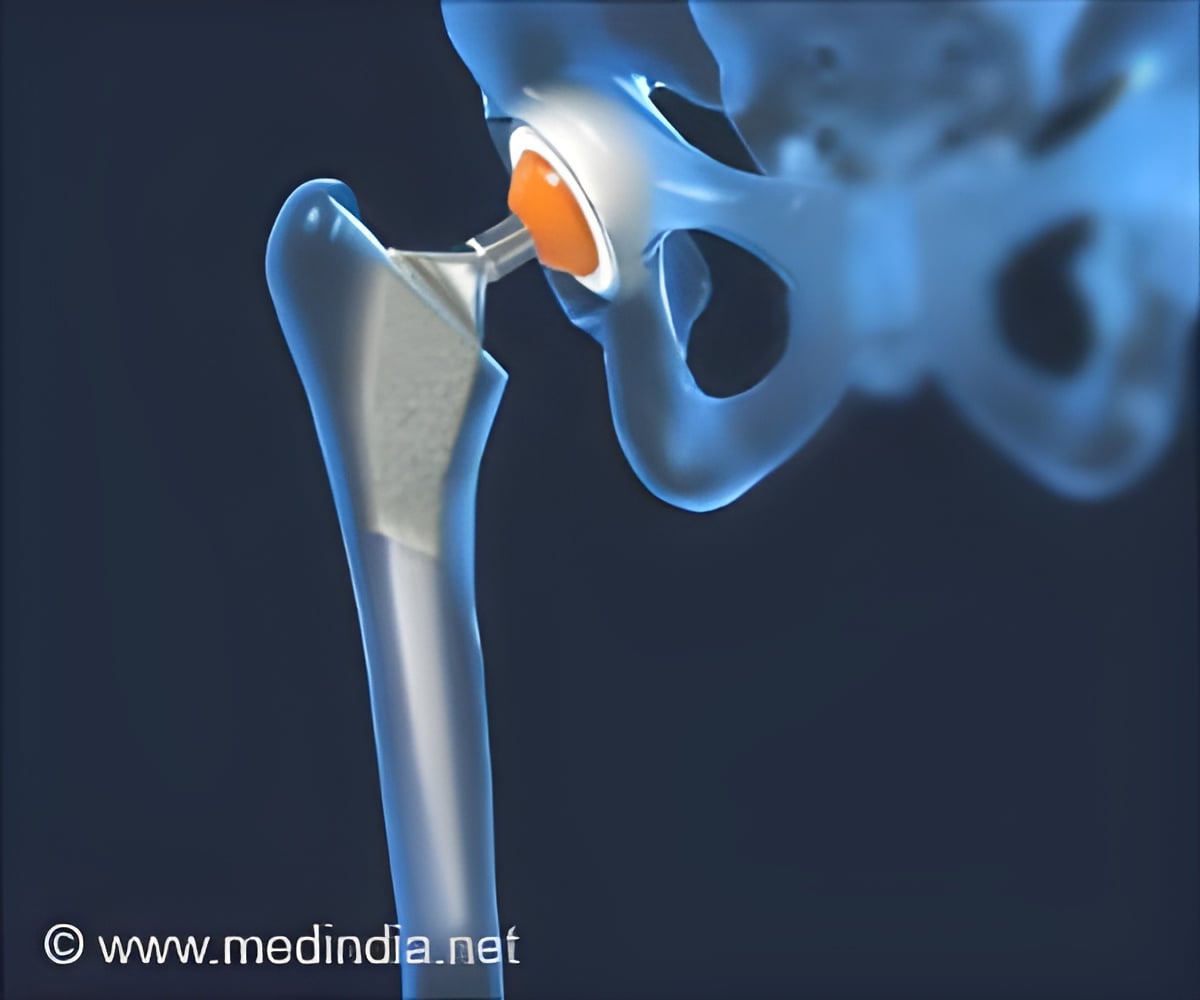
- A clinical trial found aspirin alone was as effective as the standard rivaroxaban-to-aspirin regimen after hip and knee replacement
- Rates of blood clots, bleeding complications, and survival were similar in both groups during the 90-day follow-up
- Researchers say the findings could simplify postoperative care and reduce healthcare costs without compromising patient safety
Hip and knee replacement surgeries help restore mobility and improve quality of life for millions of people every year (1✔ ✔Trusted Source
Rivaroxaban Then Aspirin vs. Aspirin Alone after Total Hip or Knee Arthroplasty
).
However, they also temporarily increase the risk of developing venous thromboembolism (VTE), a condition that includes deep vein thrombosis (DVT), where blood clots form in the deep veins of the legs, and pulmonary embolism (PE), a potentially life-threatening condition that occurs when a clot travels to the lungs.
The risk increases because surgery temporarily activates the body’s clotting system, blood vessels are manipulated during the procedure, and patients are often less mobile during the early stages of recovery.
To reduce this risk, doctors routinely prescribe medications that help prevent blood clots, a strategy known as thromboprophylaxis.
Advertisement
Can Aspirin Alone Prevent Blood Clots After Joint Replacement?
A large international study published in the New England Journal of Medicine suggests that the answer may be yes, for many patients undergoing routine hip or knee replacement surgery.
The EPCAT III trial enrolled 5,429 patients who underwent total hip or total knee arthroplasty. Participants were randomly assigned to receive either low-dose aspirin or rivaroxaban during the first five days after surgery before both groups continued aspirin therapy. Because the study was randomized, double-blind, and multicenter, its findings provide high-quality evidence for postoperative care.
Lead investigator Dr. Sudeep Shivakumar, Associate Professor and Head of the Division of Hematology at Dalhousie University, said:
“We now have evidence that an aspirin-only strategy for prevention of blood clots after hip and knee replacements is safe and effective, and hopefully this study can better inform patients and healthcare providers when caring for patients after joint replacements.”
Advertisement
What Treatments Did Researchers Compare?
A common misconception is that the study compared aspirin with a full course of rivaroxaban.
In reality, the researchers compared two different postoperative strategies.
| Treatment Group | Medication Received |
|---|---|
| Aspirin Alone | Aspirin 81 mg once daily from the first day after surgery |
| Standard Strategy | Rivaroxaban 10 mg daily for the first 5 days, followed by aspirin 81 mg daily |
After the initial treatment period:
- Patients who underwent knee replacement continued aspirin for 9 more days.
- Patients who underwent hip replacement continued aspirin for 30 more days.
This allowed researchers to determine whether aspirin alone from the beginning could provide protection similar to the standard strategy.
Advertisement
Is Aspirin as Effective as Rivaroxaban After Joint Replacement?
The answer, according to this study, is yes.
During the 90-day follow-up:
| Outcome | Aspirin Alone | Rivaroxaban → Aspirin |
|---|---|---|
| Symptomatic DVT or Pulmonary Embolism | 0.48% | 0.45% |
| Major or Clinically Relevant Bleeding | 1.66% | 2.04% |
The researchers found no clinically meaningful differences between the two groups. Overall survival and recovery outcomes were also almost identical.
What Does “Noninferior” Really Mean?
One word appears repeatedly in the study: noninferior. Although it sounds technical, the concept is simple. It does not mean aspirin is better than rivaroxaban.
Instead, it means that aspirin performed so similarly that any difference between the two treatments was too small to be considered clinically important.
In practical terms, patients receiving aspirin alone experienced blood clot rates comparable to those receiving the standard rivaroxaban-to-aspirin regimen.
Why Could These Findings Change Recovery After Joint Replacement?
Many hospitals currently prescribe newer oral anticoagulants because they are highly effective at preventing postoperative blood clots.
However, aspirin offers several practical advantages.
Potential Benefits of Aspirin
- Inexpensive
- Widely available
- Easy once-daily dosing
- No routine blood-test monitoring
- Familiar safety profile for most patients
The researchers believe these findings may help simplify postoperative care while reducing healthcare costs, particularly in healthcare systems with limited resources.
Who Should Not Switch to Aspirin Without Medical Advice?
Although the findings are encouraging, they do not mean everyone recovering from joint replacement should automatically replace their prescribed blood thinner with aspirin.
Some patients remain at higher risk of blood clots and may still require stronger anticoagulants.
This includes people with:
- Previous deep vein thrombosis or pulmonary embolism
- Active cancer
- Known inherited clotting disorders
- Certain heart conditions requiring long-term anticoagulation
- Other high-risk medical conditions identified by their orthopedic surgeon or physician
The decision should always be individualized based on the patient’s overall risk of clotting and bleeding.
Warning Signs of Blood Clots After Knee or Hip Replacement
Seek immediate medical care if you develop any of the following after surgery:
| Possible Deep Vein Thrombosis (DVT) | Possible Pulmonary Embolism (PE) |
|---|---|
| Swelling in one leg | Sudden shortness of breath |
| Calf pain or tenderness | Sharp chest pain |
| Warmth or redness in the calf | Rapid heartbeat |
| Tightness in the leg | Coughing up blood |
| New swelling after surgery | Fainting or severe dizziness |
Prompt treatment can prevent potentially life-threatening complications.
What Should Patients Do During Recovery?
Whether prescribed aspirin or another blood thinner, patients should follow their surgeon’s instructions carefully.
Recovery after hip or knee replacement should also include:
- Taking blood clot prevention medicines exactly as prescribed.
- Walking and performing physiotherapy exercises as advised.
- Staying well hydrated unless otherwise instructed.
- Wearing compression stockings if recommended.
- Recognizing the warning signs of DVT and pulmonary embolism.
- Attending all scheduled follow-up appointments.
Patients should never stop or switch blood-thinning medications without discussing it with their healthcare provider, even after reading about new research.
Why This Study Matters Beyond One Medication
This trial is one of the largest and most rigorous studies to compare postoperative blood clot prevention strategies after joint replacement surgery.
Its findings suggest that, for many patients undergoing routine hip or knee replacement, a simpler aspirin-based approach may offer protection comparable to the current standard strategy. If incorporated into future clinical guidelines, this could make postoperative care more accessible, reduce treatment costs, and simplify recovery for thousands of patients each year.
However, the authors emphasize that treatment decisions should continue to be individualized until professional societies review the evidence and update their recommendations.
Frequently Asked Questions
Q: What causes joint pain that requires hip replacement?
A: Hip replacement may be needed when the hip joint is severely damaged and persistent pain affects everyday activities. The most common causes include osteoarthritis, rheumatoid arthritis, hip fractures, avascular necrosis, and hip injuries. If medications, physical therapy, and other non-surgical treatments no longer relieve symptoms, a hip replacement can help restore mobility and improve quality of life.
Q: Why do patients need blood clot prevention after knee replacement surgery?
A: Joint replacement surgery increases the risk of blood clots because of reduced mobility, temporary injury to blood vessels during surgery, and changes in the body’s clotting system.
Q: How long does the risk of blood clots remain after hip or knee replacement?
A: The highest risk occurs during the first few weeks after surgery. In this study, patients received preventive treatment for about two weeks after knee replacement and five weeks after hip replacement.
Q: Can aspirin prevent pulmonary embolism as well as deep vein thrombosis?
A: Yes. The primary outcome measured in the trial included both deep vein thrombosis and pulmonary embolism, and aspirin performed similarly to the standard treatment strategy.
Q: Is walking enough to prevent blood clots after surgery?
A: Walking and early mobilization are important parts of recovery, but they do not replace prescribed blood clot prevention medications. Both approaches work together to reduce risk.
Q: What are the first symptoms of deep vein thrombosis after surgery?
A: Common symptoms include swelling in one leg, calf pain or tenderness, warmth, redness, or a feeling of tightness in the affected leg. Any of these symptoms should be evaluated promptly.
Q: Will this study change clinical guidelines?
A: Large, well-conducted randomized trials like EPCAT III provide strong evidence that can influence future guidelines. However, expert panels usually review the totality of evidence before making formal recommendations, so patients should continue following their current treatment plan unless advised otherwise.
Reference:
- Rivaroxaban Then Aspirin vs. Aspirin Alone after Total Hip or Knee Arthroplasty – (https://www.nejm.org/doi/full/10.1056/NEJMoa2603649)
Source-Medindia