

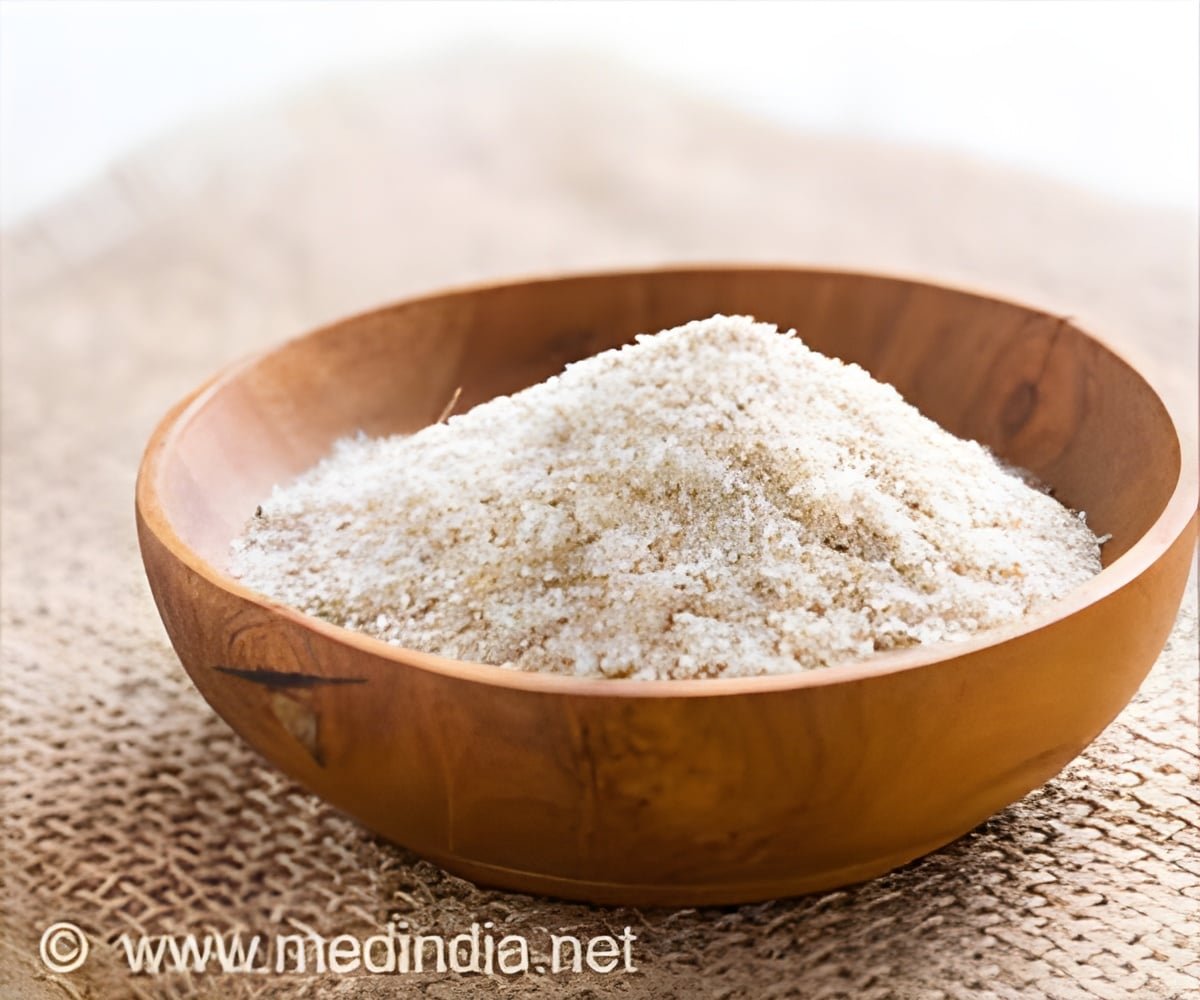
Researchers found that psyllium can modestly lower LDL and total cholesterol, making it a simple addition to a heart-healthy lifestyle.
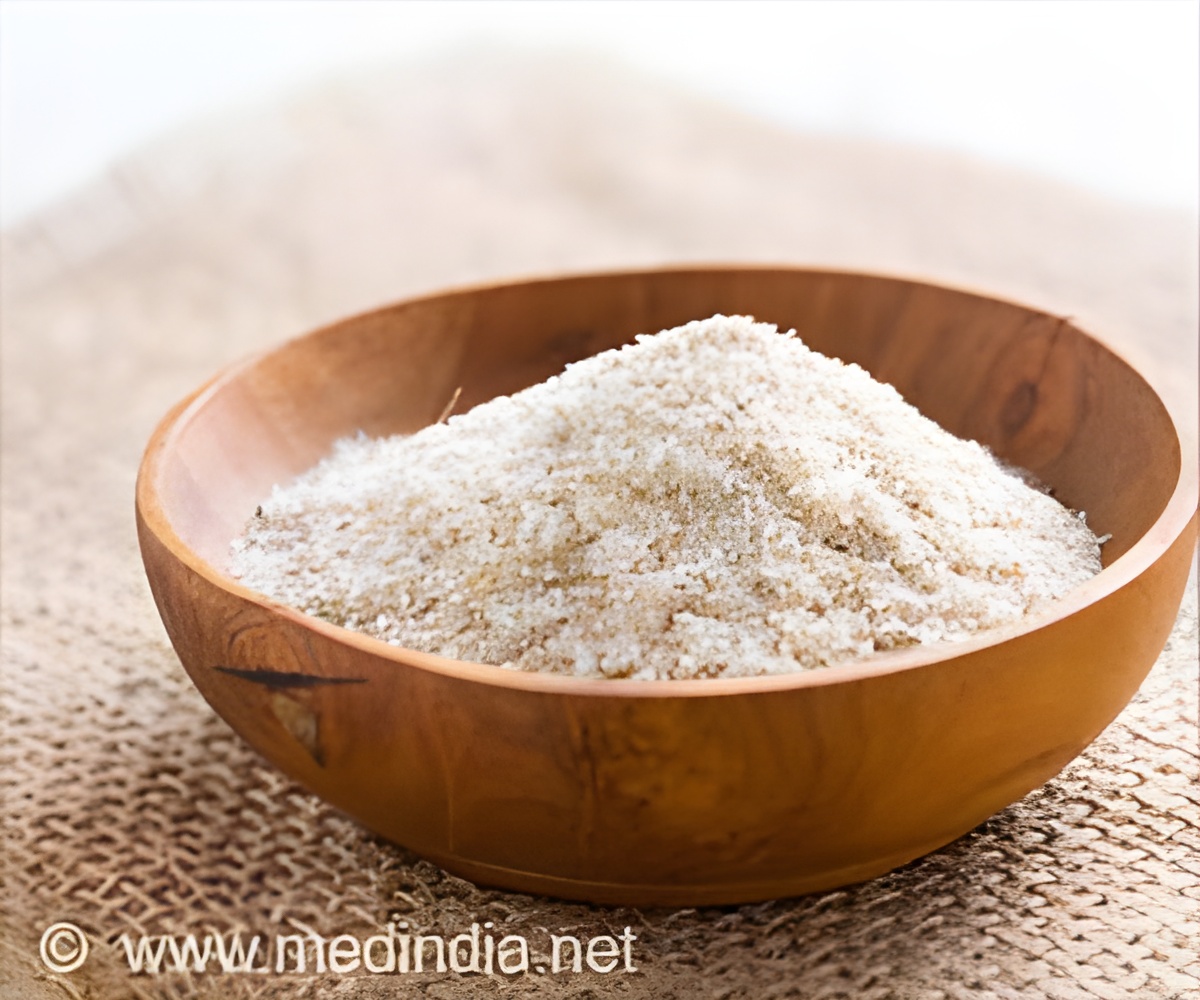
- Psyllium modestly lowered LDL and total cholesterol across 41 clinical trials
- The soluble fiber works by helping the body remove cholesterol through the digestive tract
- Experts recommend using psyllium alongside healthy eating and prescribed medicines-not instead of them
A common fiber supplement used for constipation may also support heart health. A new systematic review suggests psyllium can modestly lower LDL (“bad”) cholesterol and total cholesterol, making it a useful addition to diet and lifestyle changes—not a replacement for cholesterol-lowering medicines (1✔ ✔Trusted Source
Psyllium supplementation and lipid profiles: systematic review and dose-response meta-analysis of randomized controlled trials
).
Researchers say psyllium works by helping the body remove cholesterol through the digestive tract. While the benefits are modest, they are supported by evidence from multiple randomized clinical trials and earlier meta-analyses.
Advertisement
Can Psyllium Really Help Lower LDL Cholesterol?
According to a systematic review and dose-response meta-analysis published in Genes & Nutrition, researchers found that psyllium supplementation significantly lowered LDL and total cholesterol in adults.
The review pooled evidence from 41 randomized controlled trials involving 2,049 participants, making it one of the largest analyses on the topic.
Key findings from the study include:
- 41 randomized controlled trials were included.
- 2,049 adults participated in the analysis.
- LDL (“bad”) cholesterol fell by an average of 55 mg/dL.
- Total cholesterol decreased by 05 mg/dL.
- HDL cholesterol and triglycerides showed no significant improvement.
- Studies were conducted between 1988 and 2022 with intervention periods of 14–182 days.
- Participants included healthy adults and people with high cholesterol, diabetes, metabolic syndrome, and other metabolic disorders.
- Differences in dose, study duration, and participant characteristics caused high heterogeneity, so the results should be interpreted with caution.
- Increasing the psyllium dose or extending treatment duration did not consistently produce greater cholesterol reduction.
Before exploring who may benefit most, it’s important to understand how psyllium helps lower cholesterol in the body.
Advertisement
How Does Psyllium Help Lower “Bad” Cholesterol?
Psyllium is a gel-forming soluble fiber obtained from Plantago ovata. It lowers cholesterol mainly by binding bile acids in the intestine, forcing the liver to use more LDL cholesterol to make new bile acids. The review also suggests psyllium may slow fat absorption and improve cholesterol metabolism.
Another meta-analysis reported similar findings, showing significant reductions in LDL cholesterol, non-HDL cholesterol, and apolipoprotein B (apoB), supporting psyllium’s role in cardiovascular health (2✔ ✔Trusted Source
Effect of psyllium (Plantago ovata) fiber on LDL cholesterol and alternative lipid targets, non-HDL cholesterol and apolipoprotein B: a systematic review and meta-analysis of randomized controlled trials
The major actions of psyllium and their health benefits are outlined below.
|
Action of Psyllium |
What Happens in the Body |
Potential Health Benefit |
|
Forms a thick gel after absorbing water |
Slows digestion and nutrient movement |
Helps improve fat and cholesterol handling |
|
Binds bile acids in the intestine |
More bile is excreted in stool |
Reduces cholesterol recycling |
|
Liver makes new bile acids |
Uses circulating LDL cholesterol |
Lowers LDL (“bad”) cholesterol |
|
Slows fat and cholesterol absorption |
Less cholesterol enters the bloodstream |
Supports a healthier lipid profile |
|
Promotes short-chain fatty acid production |
May influence cholesterol metabolism |
Supports overall heart health |
Advertisement
Which Foods Can Help Increase Psyllium or Soluble Fiber Intake?
Psyllium husk remains the richest source of this soluble fiber, but it is not the only option. Psyllium supplements provide the strongest evidence for lowering LDL cholesterol, while foods rich in soluble fiber—especially oats and barley—can also support heart health (3✔ ✔Trusted Source
What Is the Best Fiber Supplement to Lower Cholesterol?
).
The review identifies beta-glucan as another well-studied cholesterol-lowering fiber with FDA-recognized benefits.
The common dietary sources are summarized below.
Foods and Products That Can Help Increase Soluble Fiber Intake
|
Food/Product |
How It May Help |
|
Psyllium husk powder |
Richest source of soluble fiber |
|
Psyllium-fortified cereals |
Convenient way to increase fiber |
|
Oats |
Rich in beta-glucan |
|
Barley |
Provides beta-glucan |
|
Whole wheat products |
Adds dietary fiber |
|
Brown rice |
Supports total fiber intake |
|
Quinoa |
Whole-grain fiber source |
|
Lentils |
Rich in soluble fiber and protein |
|
Chickpeas |
High-fiber legume |
|
Kidney beans and black beans |
Increase daily fiber intake |
|
Apples and pears |
Good source of soluble fiber |
|
Bananas and avocados |
Contribute to overall fiber intake |
According to the consumer nutrition guides, psyllium husk can also be mixed into smoothies, yogurt, oatmeal, soups, sauces, or baked foods to increase fiber intake without greatly changing taste or texture.
How Much Psyllium Should You Take for Cholesterol Benefits?
According to a meta-analysis, participants receiving a median dose of about 10.2 g of psyllium per day experienced significant reductions in LDL cholesterol, non-HDL cholesterol, and apolipoprotein B.
Psyllium is generally taken in two or three divided servings throughout the day, while 7–10 g of soluble fiber daily is commonly used for cholesterol management. It also states that beta-glucan from oats or barley can lower LDL cholesterol at around 3 g per day, providing another food-based option.
Before increasing fiber intake, experts recommend following a few practical measures:
- Increase the dose gradually.
- Drink a full glass of water with every serving.
- Divide the daily intake instead of taking it all at once.
- Read product labels carefully to check fiber content.
- Continue following a heart-healthy eating pattern.
Who May Benefit Most from Psyllium?
Psyllium may be most helpful for adults with mild to moderately elevated LDL cholesterol, particularly when combined with healthy eating and other lifestyle changes. The included studies involved healthy adults as well as people with diabetes, metabolic syndrome, hypercholesterolemia, and other metabolic conditions.
Psyllium can benefit people who do not meet their daily fiber requirements or who prefer a simple supplement to improve soluble fiber intake. It should be viewed as an addition to—not a substitute for—a balanced diet.
People who may benefit include:
- Adults with mildly elevated LDL cholesterol.
- Individuals with low dietary fiber intake.
- People looking to improve heart health through diet.
- Those wanting additional digestive benefits from soluble fiber.
What Other Health Benefits Does Psyllium Offer?
Psyllium may do more than help lower cholesterol. According to a review and meta-analysis published in the Journal of the American Association of Nurse Practitioners, psyllium supplementation also supported weight management in overweight and obese adults. The review included six randomized controlled trials involving 354 participants.(4✔ ✔Trusted Source
Psyllium is a natural nonfermented gel-forming fiber that is effective for weight loss: A comprehensive review and meta-analysis
)
The review and earlier meta-analyses suggest that psyllium may also:
- Help reduce body weight, BMI, and waist circumference in overweight and obese adults.
- Improve blood sugar control in people with metabolic syndrome and type 2 diabetes.
- Lower LDL and total cholesterol, supporting heart health.
- Help reduce blood pressure in people with hypertension.
- Relieve constipation by increasing stool output and softening hard stools.
- Improve symptoms of irritable bowel syndrome (IBS) and normalize stool consistency.
Can Psyllium Replace Cholesterol Medicines?
Current evidence suggests the answer is no.
Psyllium is best used as a supportive dietary intervention that complements healthy eating and prescribed cholesterol-lowering therapy rather than replacing it.
When combined with a balanced diet, regular physical activity, weight management, and medical care, psyllium may provide a simple and affordable way to support healthier cholesterol levels.
Frequently Asked Questions
Q: Can psyllium really lower LDL cholesterol?
A: Yes. The review found that psyllium modestly reduced LDL (“bad”) cholesterol and total cholesterol across multiple clinical trials.
Q: How does psyllium lower cholesterol?
A: Psyllium binds bile acids in the intestine, prompting the liver to use more LDL cholesterol to produce new bile acids.
Q: How much psyllium is commonly used for cholesterol benefits?
A: Studies generally used around 10 g of psyllium daily, taken in divided doses with plenty of water.
Q: Can psyllium replace cholesterol medicines?
A: No. Researchers recommend using psyllium as a complement to a heart-healthy diet and prescribed cholesterol-lowering medications.
Q: Besides supplements, which foods contain soluble fiber?
A: Oats, barley, lentils, beans, apples, pears, and psyllium-fortified cereals are good sources of soluble fiber.
Q: Does psyllium have other health benefits?
A: Yes. It may also help relieve constipation, improve blood sugar control, support weight management, and promote digestive health.
References:
- Psyllium supplementation and lipid profiles: systematic review and dose-response meta-analysis of randomized controlled trials – (https://link.springer.com/article/10.1186/s12263-025-00786-5)
- Effect of psyllium (Plantago ovata) fiber on LDL cholesterol and alternative lipid targets, non-HDL cholesterol and apolipoprotein B: a systematic review and meta-analysis of randomized controlled trials – (https://www.sciencedirect.com/science/article/pii/S0002916522030076?via%3Dihub)
- What Is the Best Fiber Supplement to Lower Cholesterol? – (https://scienceinsights.org/what-is-the-best-fiber-supplement-to-lower-cholesterol/)
- Psyllium is a natural nonfermented gel-forming fiber that is effective for weight loss: A comprehensive review and meta-analysis – (https://pmc.ncbi.nlm.nih.gov/articles/PMC10389520/)
Source-Medindia