

4 min readBengaluruAug 11, 2026 03:00 AM IST
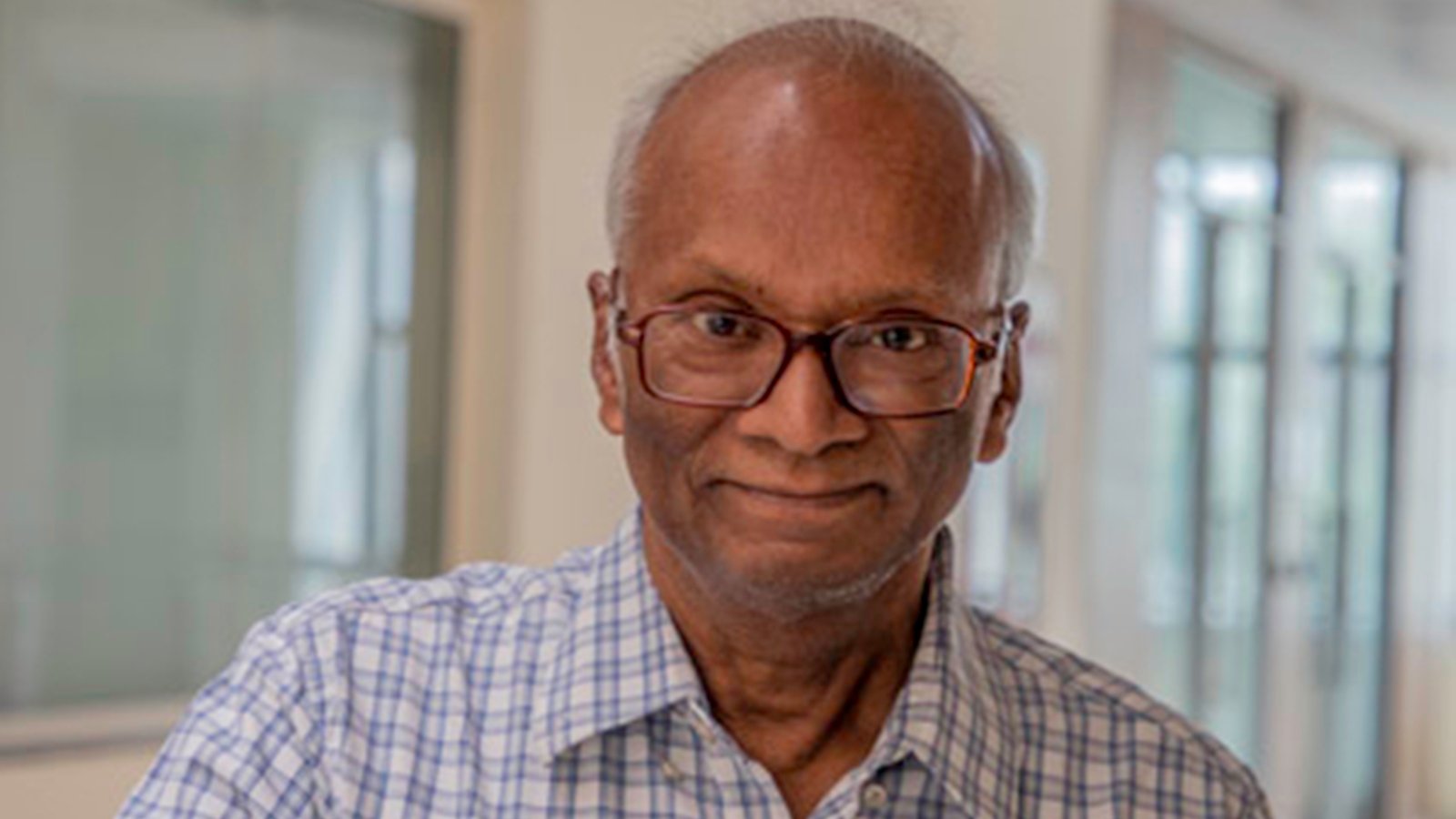
Deepak Dhar, a theoretical physicist from Uttar Pradesh, has been named the co-recipient of Dirac Medal, one of the highest honours in the field.
The award, instituted in 1985 by the Abdus Salam International Centre for Theoretical Physics in Italy, puts the 75-year-old on an impressive list of academics who have won the Medal, named after Paul Dirac, one of the central figures in the evolution of quantum theory.

“We researchers do not work for medals or recognitions. But the fact that my work has survived over 25 years since it was done, and still considered relevant, is nice to know,” Dhar told The Indian Express.
In 2022, he was the co-winner of yet another prestigious award in physics, the Boltzmann Medal, becoming the first Indian to receive it. With the two honours, Dhar joins a small group of only ten to have secured both awards. Many of them have even gone on to win the Nobel Prize in Physics.
The senior physicist currently serves as the Indian National Science Academy (INSA) distinguished professor at the International Centre for Theoretical Sciences, in Bengaluru.
He has previously worked at the Tata Institute of Fundamental Research (TIFR), Mumbai, and the Indian Institute of Science Education and Research (IISER), Pune.
Dhar’s exact research, perhaps too technical to describe in a newspaper, has helped explain how “simple interactions can lead to complex and sometimes unpredictable behaviour in large systems”. His work has been used to “model systems as apparently as different as earthquakes, traffic jams and fluctuations in financial markets”, reads the citation of the Dirac Medal.
Story continues below this ad
Born in 1951 in Pratapgarh, Uttar Pradesh, Dhar is an alumnus of the University of Allahabad and IIT-Kanpur. He completed his doctoral studies at the California Institute of Technology (Caltech), where he famously served as the teaching assistant of Richard Feynman, one of the decorated scientists of the 20th century.
Unlike others of his generation, Dhar returned to India, where he has been engaged in fundamental research for more than four decades.
Even as new universities mushroom across India, the state of primary school education is one of concern, according to Dhar. “We need to promote science at different levels as the progress of the country is linked to our progress in science. Most of all, we need to focus and strengthen primary school education,” the senior physicist said.
Dhar said India now offers much better opportunities for fundamental research than when he returned. But research is never easy, he warned.
Story continues below this ad
“Earlier, we had to scout several books in university libraries and spend long hours understanding the subjects. Today, the young generation has much quicker and more equal access to information. But they will need to spend a lot of time to develop interest in order to understand the subject in greater depth,” he said.
“Working in science is deeply rewarding. There are always new things to learn and discover,” he added.
Outside the world of physics, Dhar enjoys reading fiction but is not a fan of the self-help books that flood bookshops. Of late, he has had less time in the company of books.
“I go for walks in the morning, and, at times, in the evenings too. That is when I think, and sometimes, I get fresh ideas,” he said.