

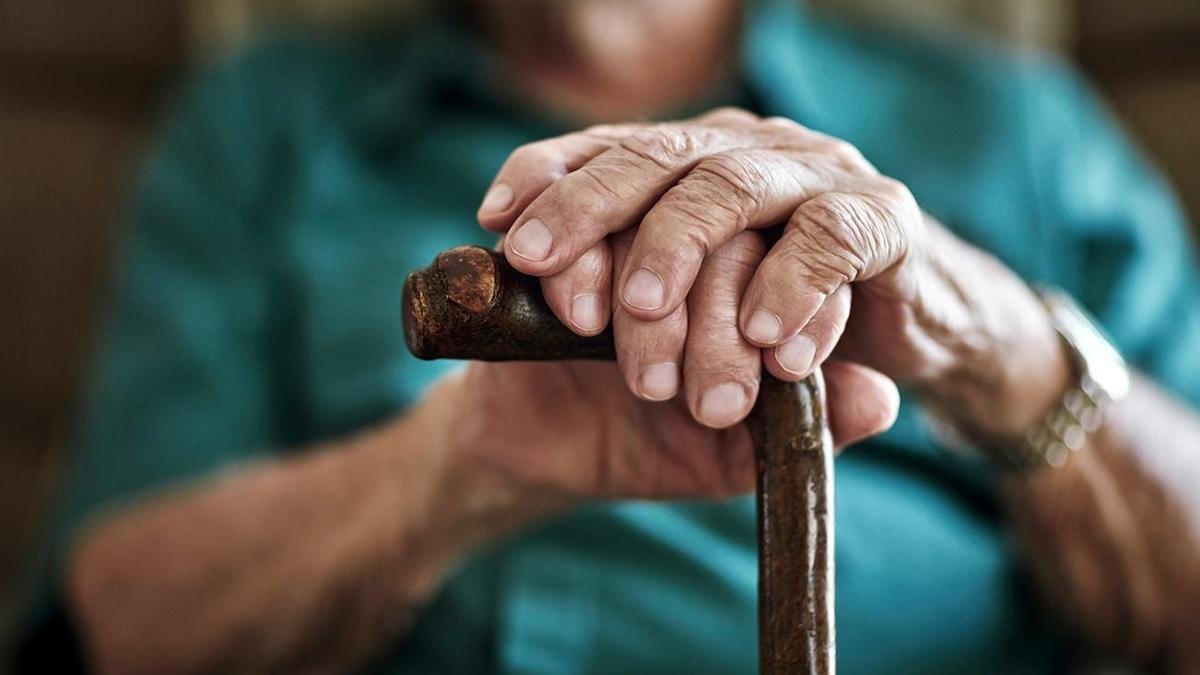
In its sweep, climate change is not an equitable overlord, and while it does create havoc, it is true that this impacts some people more than others. There are, now, studies to show that vulnerable groups of people are affected far more than others and the factors that determine how badly you are affected include economic ability, age and gender. A recent study by HelpAge India further highlights the fact that senior citizens form a vulnerable group and are right in the pathway of harm left in the trail of climate change.
There are two ways in which climate change affects older adults – sudden shocks and slow-onset stresses. The report says rising temperatures, erratic rainfall, drought, flooding, coastal erosion, water scarcity, poor ventilation, indoor heat stress, dampness, and environmental degradation can worsen chronic illness, raise mortality risk, reduce mobility, and increase care needs for senior citizens.
For them it could manifest as a number of things – heat-related stress, respiratory problems, reduced mobility, mental distress, sleep disruption, and disruption in access to medicines and healthcare during climatic events. In addition changing socio0cultural norms and migration patterns indicated that older people can become isolated, leading to an impact on their mental health as well. As the country learns to become more heat resilient, it should also focus on protecting older people’s health, dignity, mobility, income, housing and social support structures, without which they will be rendered further vulnerable.
This is particularly relevant to India, where the portion of senior citizens as a part of the overall population is constantly growing. As the nation is steadily moving towards the greys, the older population is projected to rise to about 347 million by 2050 (from 149 million in 2022). Naturally climate stress will make a larger share of the country vulnerable to physical and mental health challenges.

Factors that exacerbate vulnerabilities
The report identifies several factors that sharply reduce resilience: living alone, poor physical or mental health, impairment, advanced age, poverty, financial dependence, weak institutional support, insecure housing, and residence in hazard-prone locations. These disadvantages often overlap, which is why the study uses an “Intersectional Place Perspective” to show that risk is shaped by the interaction of age, gender, widowhood, disability, poverty, social isolation, and local environmental conditions. For example, an uneducated, unskilled older widow with no pension, was at a relatively greater risk from a cyclone, that an able-bodied older man who lived with his family.
Anupama Datta, head, Policy Research & Advocacy, HelpAge India, who led this research study, said the focus was on districts impacted by slow onset climate hazards. “Older persons bring unique strengths as well as vulnerabilities that shape how they experience and respond to climate hazards. Repeated episodes of climate hazards weaken their ability to recover and build resilience.

Addressing care for elderly
There are a number of environmental stressors that will impact on the life of the elderly, says Soumya Swaminathan, chairperson, M.S.Swaminathan Research Foundation, Chennai. The institution has launched a two-State study to evaluate the impact of increase in temperature on the health of the residents.
What can be urgently done here, she says, is to establish special care facilities for the elderly, such as those in Thailand, where a community space is created for elders, in both rural and urban areas, where they can come together, engage in activities and receive comprehensive primary health care as well. Handling the loneliness and bringing the community around the senior citizens will have an impact on mitigating their vulnerabilities. “We must first think of establishing this basic level of care for the elders and then address issues like heat with particular reference to the elderly,” she says, adding that a fresh vulnerability that is emerging through studies indicates that heat could also be a stressor to accelerate ageing itself.

Layered response needed
The Helpage report points to a layered response to grow resilience: At the household level, storing food and water, improving shelter, saving money, planning ahead for disasters, and diversifying livelihoods. However useful they are, they may not be enough for persons with multiple disadvantages. At the community level, family support, neighbour check-ins, volunteer networks, and community shelter or relocation support are recommended coping strategies. It also recommends age-inclusive early warning systems, community monitoring, and stronger local care networks, especially for those living alone or with impairments.
In terms of policy recommendations, it calls for climate-resilient healthcare for elders, expanded social protection and livelihood support, and targetted support for the groups at highest risk of being affected.
The strongest policy priorities in the document are: climate-resilient healthcare for older persons, expanded social protection and livelihood support, better disaster preparedness and early warning systems, climate-resilient housing, environmental health interventions, and stronger community-based care networks. It also calls for targeted support for the highest-risk groups: those living alone, widows, persons with impairments, the oldest-old, and financially insecure households.

Crafting care for elderly
Ms. Datta explains that while government schemes serve as lifeline for older persons, and provide a critical safety net, they follow general rules . The schemes are not currently designed keeping in mind the vulnerabilities of the older persons, especially those who are uneducated, physically weak or impaired, oldest old, living alone. She explains that “access is particularly challenging for older persons with poor health (30%), those severely affected by climate-related shocks (30%), with no formal education (22%), and from lower socio-economic groups (22%). Additional challenges include, long waiting times and delays (25%), digital access difficulties (15%), and lack of support during the application process (10%), highlighting the need for more age-friendly service delivery.”
The report also highlights certain examples of interventions that worked, in order that they might be scaled up or adapted for implementation in other contexts. In Odisha, it says, older persons received early warnings for storms and cyclones from the village panchayat and were evacuated to safe community shelters in time. It also points to organised grassroots volunteerism where organisations or a band of individuals co ordinate with the official systems to organise relief, evacuations and post-facto care during disasters.
For India, the report’s conclusions are very clear: shift from ‘hazard-centred’ responses to ‘people-centred’ systems to connect climate adaptation, healthy ageing, social protection, and disaster risk reduction. That involves harnessing One Health, generating and using better data, establishing stronger institutional coordination, and services that are designed factoring in older persons’ actual barriers to access.