

Close Menu

    Subscribe to Updates

    Get the latest news information from worldwide businesses.

    What's Hot

    Even leftover food will taste like a wedding meal

    July 24, 2026

    Aurora’s New Autonomous Truck Hardware Is Designed To Last One Million Miles

    July 24, 2026

    FDA panel narrowly backs unapproved peptide drugs favoured by RFK Jr and wellness influencers

    July 24, 2026
    Facebook Instagram YouTube LinkedIn X (Twitter)
    Trending
    • Even leftover food will taste like a wedding meal
    • Aurora’s New Autonomous Truck Hardware Is Designed To Last One Million Miles
    • FDA panel narrowly backs unapproved peptide drugs favoured by RFK Jr and wellness influencers
    • When Should You Be Concerned?
    • Google’s Gemini nears billion-user milestone
    • India’s Manipal Health to spend $414.4 million to expand capacity
    • From Bhadohi to Brooklyn: India’s small towns are set to go global
    • Gaza faces ongoing food crisis despite ceasefire
    Newspublicly
    • About Us
    • Advertise & Partner with us
    • Pitch Your Story
    • Contact Us
    Facebook Instagram LinkedIn X (Twitter)
    Subscribe
    • Home
    • World News
      • Asia
      • India
      • USA
      • UK & Europe
      • Middle East
    • Economy & Business
      • Global Economy
      • Corporate & Industry
      • Finance & Markets
      • Policy & Trade
    • Technology
      • Gadgets & Devices
      • Software & Apps
      • AI & Machine Learning
      • Robotics & Automation
    • Health & Medicine
      • Fitness & Nutrition
      • Research & Innovation
      • Disease & Treatment
      • Doctors, Clinics & Patient Care
    • Travel & Tourism
    • Automobile
      • Electric & Hybrid Vehicles
      • Auto Industry Insights
    • Sports
    • More
      • Education
      • Real Estate
      • Environment & Climate
      • Space & Astronomy
      • War & Conflicts
    Newspublicly
    Home»Health & Medicine»Disease & Treatment»Almost all countries overuse antibiotics, contributing to drug resistance: Analysis
    Disease & Treatment

    Almost all countries overuse antibiotics, contributing to drug resistance: Analysis

    AdminBy AdminJuly 24, 2026No Comments4 Mins Read0 Views
    Share
    Facebook Twitter LinkedIn Copy Link WhatsApp


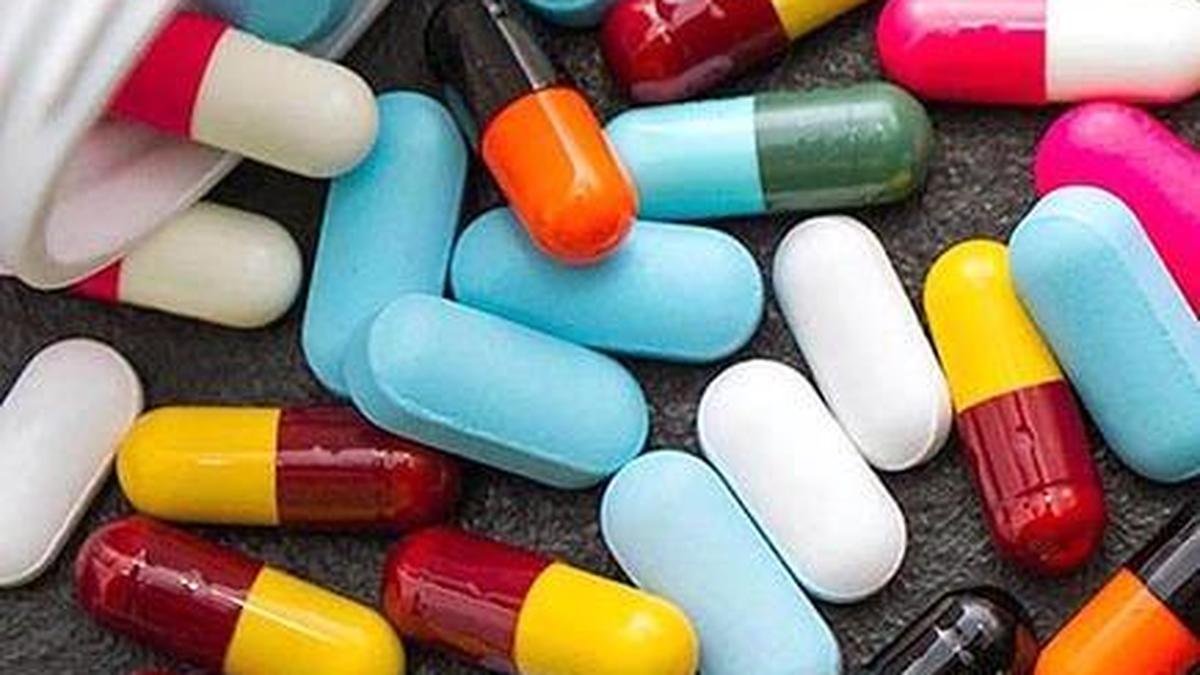
    The authors called for national policies to both reduce unnecessary prescribing and improve access for patients who genuinely need the medicines |Image used for representational purpose only

    The authors called for national policies to both reduce unnecessary prescribing and improve access for patients who genuinely need the medicines |Image used for representational purpose only
    | Photo Credit: Getty Images/iStockphoto

    A study that has estimated which and how many antibiotics a country could be expected to ideally use has found that almost all countries are overusing ‘watch’ antibiotics, which contribute the most to antibiotic resistance when overused.

    The ‘watch’ class is composed of stronger drugs that should be saved for conditions where simpler antibiotics won’t work. The analysis is published in The Lancet Public Health journal.

    Researchers, including those from the UK’s University of London, have developed a framework, which they said can give countries a practical tool to assess whether their antibiotic use is broadly appropriate for their situation.

    The method can also help address both overuse and the wrong use of certain antibiotics, they said.

    The World Health Organization (WHO) classifies all antibiotics into three groups — access, watch and reserve — according to a drug’s potential to cause resistance. ‘Access’ drugs such as amoxicillin are the first line treatments for the most common infections, while ‘reserve’ ones are the last resort, used against the most dangerous drug-resistant infections.

    In 2024, the United Nations General Assembly agreed that the WHO Access, Watch, Reserve (AWaRe) system should form the basis for global antibiotic surveillance and that by 2030, at least 70 per cent of the global use should come from the Access group.

    However, no method for deriving country-level targets was recommended, even as previous studies have reported estimates of antibiotic use in more than 200 countries and territories, the researchers said.

    The team’s framework groups countries into peer clusters based on shared characteristics, such as poverty levels, rates of infectious disease and antibiotic resistance.

    Four clusters — cluster one to cluster four — were ordered from the lowest median gross national income per capita to the highest.

    The researchers calculated that in 2019, around 43 billion courses of antibiotics were needed globally, averaging out to about one antibiotic course per person per year, to treat all bacterial infections.

    They also estimated that about 77 per cent of the courses should have been ‘access’ group antibiotics — the result suggested that the UN target of 70 per cent is reasonable.

    Comparing the study’s estimates with real-world data from 67 countries — from the IQVIA MIDAS database — the researchers found that nearly three-quarters of countries were using more antibiotics overall than needed.

    “Of 67 CTAs (countries, territories and areas) with observed antibiotic use data available in our analysis, 72 per cent used higher total antibiotic volumes than expected and 99 per cent used more ‘watch’ antibiotics than expected,” the authors wrote.

    More than half of the countries and territories with available real-world data were not using enough ‘reserve’ antibiotics, meaning patients with life-threatening drug-resistant infections might not be receiving the treatments they need, the study found.

    Further, 60% of the countries were found to be still using antibiotics that WHO considers should no longer be prescribed.

    India (in cluster two) was estimated to have an optimal total defined daily doses (DDD) per 1000 inhabitants per day (DID) ranging between 9.9 and 14.7, while the actual DID was 18.3. DID of ‘watch’ antibiotics formed the major part of the actual DID at 9.3, and ‘access’ DID was 4.5.

    The researchers highlighted a global inequality — low and middle income countries, which face heavier burdens of infectious disease and drug resistance, need proportionally more of the specialised watch and reserve antibiotics, compared to wealthier nations.

    However, higher-income countries are currently using these types of antibiotics the most, they said.

    The authors called for national policies to both reduce unnecessary prescribing and improve access for patients who genuinely need the medicines.

    Published – July 24, 2026 03:14 pm IST


    Source link

    Author

    • Admin

      NewsPublicly.com is News & Articles Platform that creating SEO-focused articles on travel, lifestyle, and digital trends.

    Admin
    • Website

    NewsPublicly.com is News & Articles Platform that creating SEO-focused articles on travel, lifestyle, and digital trends.

    Related Posts

    FDA panel narrowly backs unapproved peptide drugs favoured by RFK Jr and wellness influencers

    July 24, 2026

    World Hepatitis Day webinar to be held on July 27

    July 23, 2026

    Pfizer’s prostate cancer drug combination gets U.S. FDA priority review

    July 23, 2026
    Leave A Reply Cancel Reply

    Demo
    Top Posts

    The Blue Moon rises on May 30— Where and when to see the second full moon of the month

    May 30, 202640 Views

    New SOCOM rifle allows barrel swapping and cartridge changes

    June 1, 202633 Views

    “Inside Gemini Robotics 1.5: How Robots Learn to Reason & Act

    November 22, 202527 Views

    525 pounds of cocaine seized after Nebraska K9 alerts troopers on I-80

    May 28, 202624 Views
    Don't Miss

    Even leftover food will taste like a wedding meal

    July 24, 20263 Mins Read0 Views

    Former Indian opener Sadagoppan Ramesh believes Team India’s opening T20I win over Zimbabwe warranted celebrations…

    Aurora’s New Autonomous Truck Hardware Is Designed To Last One Million Miles

    July 24, 2026

    FDA panel narrowly backs unapproved peptide drugs favoured by RFK Jr and wellness influencers

    July 24, 2026

    When Should You Be Concerned?

    July 24, 2026
    Stay In Touch
    • Facebook
    • Twitter
    • Instagram
    • YouTube
    • LinkedIn
    • WhatsApp

    Subscribe to Updates

    Get the latest creative news from SmartMag about art & design.

    Demo
    NEWSPUBLICLY
    Facebook X (Twitter) Instagram LinkedIn

    Home

    • About Us
    • Leadership
    • Advertise & Partner With Us
    • Pitch Your Story
    • Media Kit & Pricing
    • Career
    • FAQs

    Guidelines

    • Editorial & Submission
    • Partnership
    • Advertising & Sponsor
    • Intellectual Property Policy
    • Community & Comment
    • Security & Data Protection
    • Send Your Opinion

    Quick Links

    • Cookie Policy
    • Payment & Billing Terms
    • Refund & Cancellation
    • Copyright Policy
    • Complaint & Support
    • Sitemap
    • Contact Us

    Subscribe Us

    Get the latest news and updates!

    Copyright © 2026 Newspublicly (DIGITALIX COMMUNICATION). All Rights Reserved.
    • Privacy Policy
    • Terms of Use
    • Disclaimer