

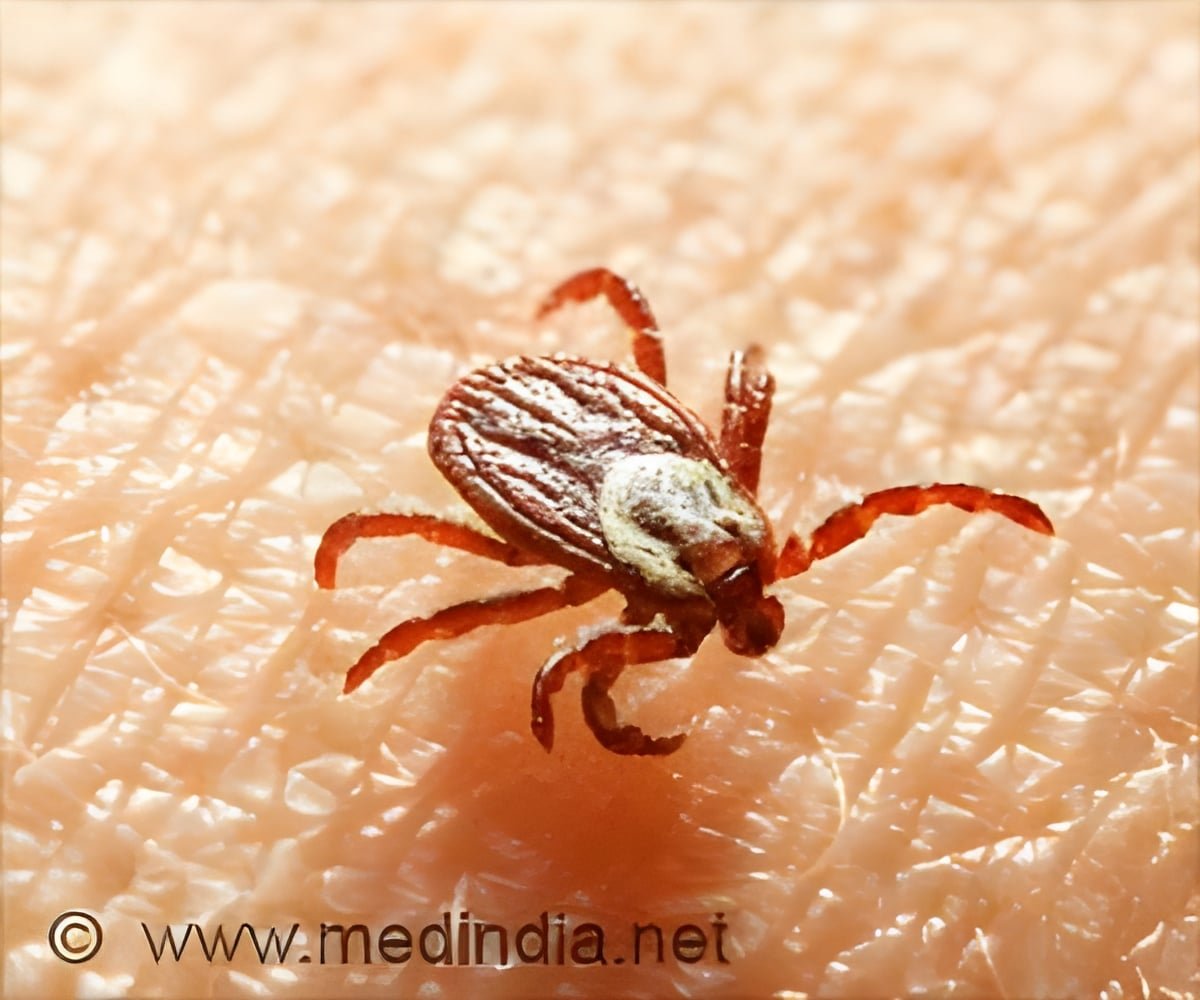
Researchers have confirmed New York’s first human case of Bourbon virus after retrospectively testing blood samples from patients with suspected tick-borne illnesses.
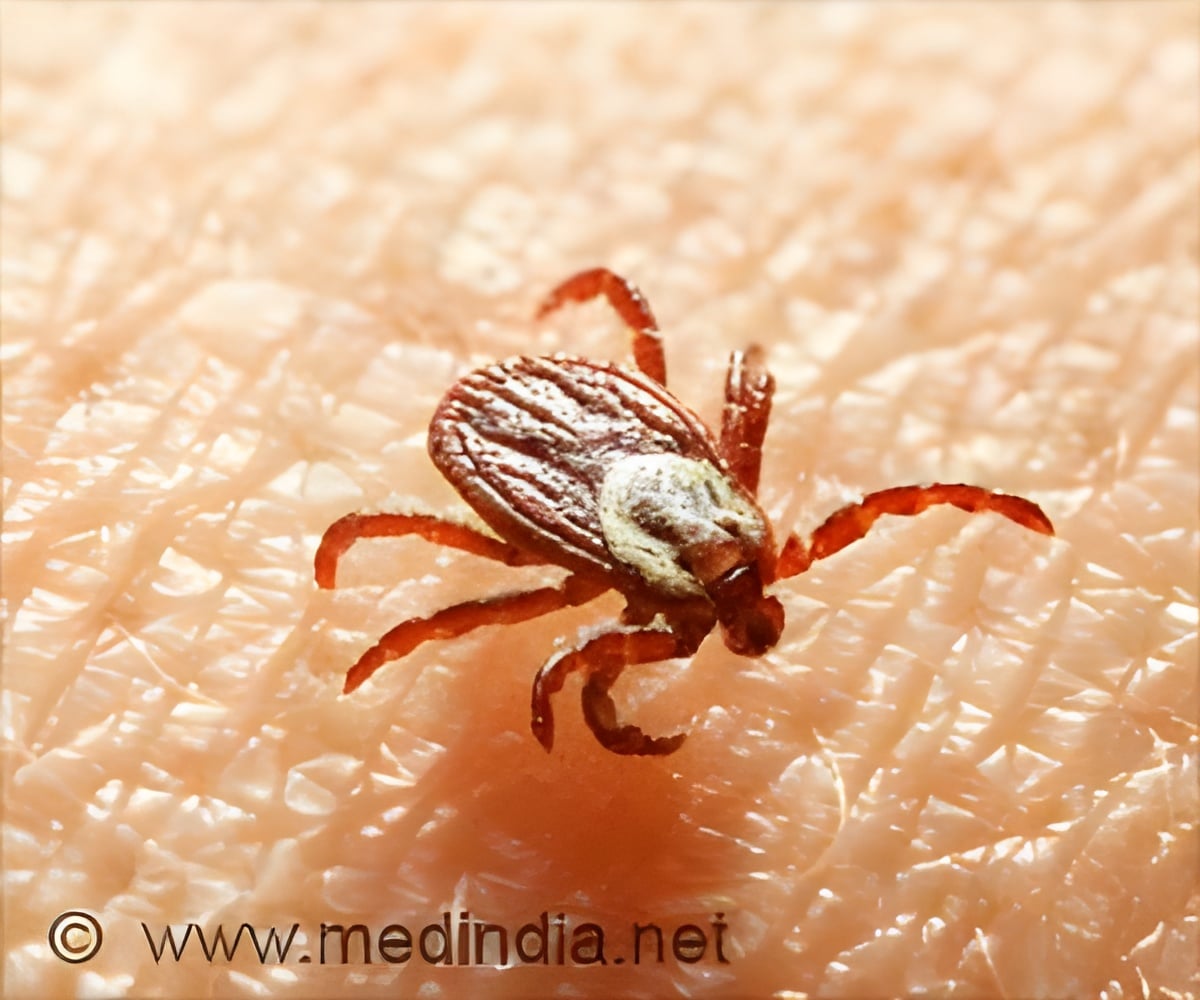
Researchers have confirmed New York State’s first known human case of Bourbon virus, a rare tick-borne infection that can resemble Lyme disease and other more familiar illnesses.
The infection occurred in 2021 but was identified in 2026 after researchers from Stony Brook Medicine retrospectively examined blood samples collected from patients with fever and symptoms of suspected tick-borne disease.
Advertisement
Five-Year-Old Illness Leads to New York’s First Confirmation
The patient, a 67-year-old man from Long Island, reportedly became ill after finding two lone star ticks on his body while working outdoors in 2021. He developed severe symptoms and required hospital care.
Doctors initially suspected
The original cause of his illness remained unknown until researchers examined blood samples from 107 patients treated for fever and possible tick-related infections between 2019 and 2024.
Two patients had antibodies capable of neutralizing Bourbon virus. One patient showed at least a fourfold rise in antibody levels—the laboratory benchmark used by the researchers to indicate an acute or recent infection. According to Stony Brook, his antibody levels increased eightfold over one month, confirming the case.
The findings were reported in the American Journal of Tropical Medicine and Hygiene and announced by Stony Brook University.
Advertisement
Bourbon Virus Remains Rare but Potentially Serious
Bourbon virus is an RNA virus belonging to the Thogotovirus genus. It was first identified in 2014 in a patient from Bourbon County, Kansas, after which the virus was named.
Only a limited number of human cases have been identified in the United States. Some patients have developed severe disease, and deaths have occurred during acute infections.
However, the New York confirmation does not indicate a widespread outbreak. The virus remains rare, and researchers do not yet know its true geographic distribution or how frequently infections occur.(1✔ ✔Trusted Source
The Lone Star Tick Is Bringing Another Infection Concern
The CDC states that Bourbon virus is believed to spread through the bite of an infected tick, most likely the lone star tick, scientifically known as Amblyomma americanum.
Advertisement
Symptoms Can Resemble Other Tick-Borne Illnesses
Symptoms reported among people diagnosed with Bourbon virus include:
- Fever
- Severe fatigue
- Headache
- Rash
- Body aches
- Loss of appetite
- Nausea
- Vomiting
Blood tests may also reveal abnormally low white blood cell counts and low platelet levels. Some patients have developed serious illness requiring hospitalization and intravenous fluids.
These symptoms overlap with Lyme disease, ehrlichiosis, Heartland virus disease and other infections associated with ticks. This similarity can make Bourbon virus difficult to recognise without specialised laboratory testing.
Failure to improve after appropriate treatment for a suspected bacterial tick-borne illness may prompt doctors to consider viral causes. However, a lack of response to antibiotics does not by itself confirm Bourbon virus.(2✔ ✔Trusted Source
About Bourbon Virus
Commercial Testing Is Not Currently Available
Although the initial report described the absence of a “standard test,” laboratory tests for Bourbon virus are available through specialized public health facilities.
The CDC states that no commercially available Bourbon virus test currently exists in the United States. Doctors cannot generally order it through a routine commercial laboratory in the same way they might request testing for Lyme disease.(1✔ ✔Trusted Source
The Lone Star Tick Is Bringing Another Infection Concern
Testing may include:
- Reverse transcription polymerase chain reaction to detect viral genetic material
- Plaque reduction neutralization testing to identify virus-neutralizing antibodies
Doctors who suspect Bourbon virus should contact their state or local health department. Samples may then be forwarded to the CDC or an appropriate state public health laboratory.
Because there is no specific IgM antibody test for Bourbon virus, blood samples collected during both the acute and recovery stages may be required to confirm a recent infection. CDC testing guidance recommends considering testing when a recent febrile illness follows possible tick exposure and is accompanied by low white blood cells, low platelets or failure to respond to appropriate treatment.
New York Had Earlier Evidence of Local Virus Transmission
The 2026 case represents New York’s first confirmed human infection, but it is not the first evidence that Bourbon virus has been circulating in the state.
In 2019, Bourbon virus genetic material was detected in a lone star tick removed from a Long Island resident. Investigators were unable to determine whether that person became infected because no human blood samples were available.
Later surveillance found the virus in tick pools and detected antibodies in white-tailed deer. Those findings indicated that local transmission cycles were already present in Suffolk County.(1✔ ✔Trusted Source
The Lone Star Tick Is Bringing Another Infection Concern
A study published in the CDC’s Emerging Infectious Diseases journal concluded that clinicians outside the Midwest should consider the virus in patients with relevant tick exposure, compatible symptoms and poor response to antimicrobial treatment.
Treatment Remains Limited to Supportive Care
There is currently no approved vaccine or specific antiviral treatment for Bourbon virus disease. Antibiotics such as doxycycline cannot treat the infection because Bourbon virus is viral rather than bacterial.
Medical care focuses on relieving symptoms and supporting the patient while the immune system responds. Treatment may include:
- Rest and hydration
- Medicines for pain and fever
- Intravenous fluids
- Monitoring of blood counts and organ function
- Hospital care for severe illness
Researchers have studied favipiravir and molnupiravir in laboratory and mouse models. Although the results suggest that these drugs deserve further investigation, neither has been proven safe or effective for treating Bourbon virus in humans. They should not be considered established treatments.
Tick-Bite Prevention Offers the Best Protection
With no vaccine or specific medicine available, preventing tick bites remains the most effective protection.
People spending time in wooded, grassy or bushy environments can reduce their exposure by:
- Using an EPA-registered tick repellent
- Wearing long sleeves, long trousers and closed footwear
- Treating clothing and outdoor equipment with permethrin
- Walking in the centre of trails
- Checking the entire body after outdoor activity
- Showering soon after returning indoors
- Checking children, pets, clothing and equipment for ticks
- Removing attached ticks promptly with fine-tipped tweezers
The minimum attachment time required for a lone star tick to transmit Bourbon virus has not been established. Prompt removal is still recommended because it reduces exposure and helps protect against multiple tick-borne infections.
Symptoms After Tick Exposure Require Medical Attention
People should contact a healthcare professional if they develop fever, severe fatigue, headache, rash, nausea or body aches within days or weeks of a tick bite or outdoor exposure.
Patients should tell the doctor when and where the exposure occurred and whether a tick was found. This information can help clinicians determine which tick-borne diseases should be considered and whether public-health laboratory testing is appropriate.
New York’s first confirmed case highlights an important diagnostic gap, but it does not mean that Bourbon virus is spreading widely. Greater surveillance, physician awareness and improved access to testing will be necessary to determine the infection’s actual prevalence.
References:
- The Lone Star Tick Is Bringing Another Infection Concern- (https://news.stonybrook.edu/newsroom/press-release/medical/the-lone-star-tick-is-bringing-another-infection-concern/)
- About Bourbon Virus- (https://www.cdc.gov/bourbon-virus/about/index.html)
Source-Medindia