

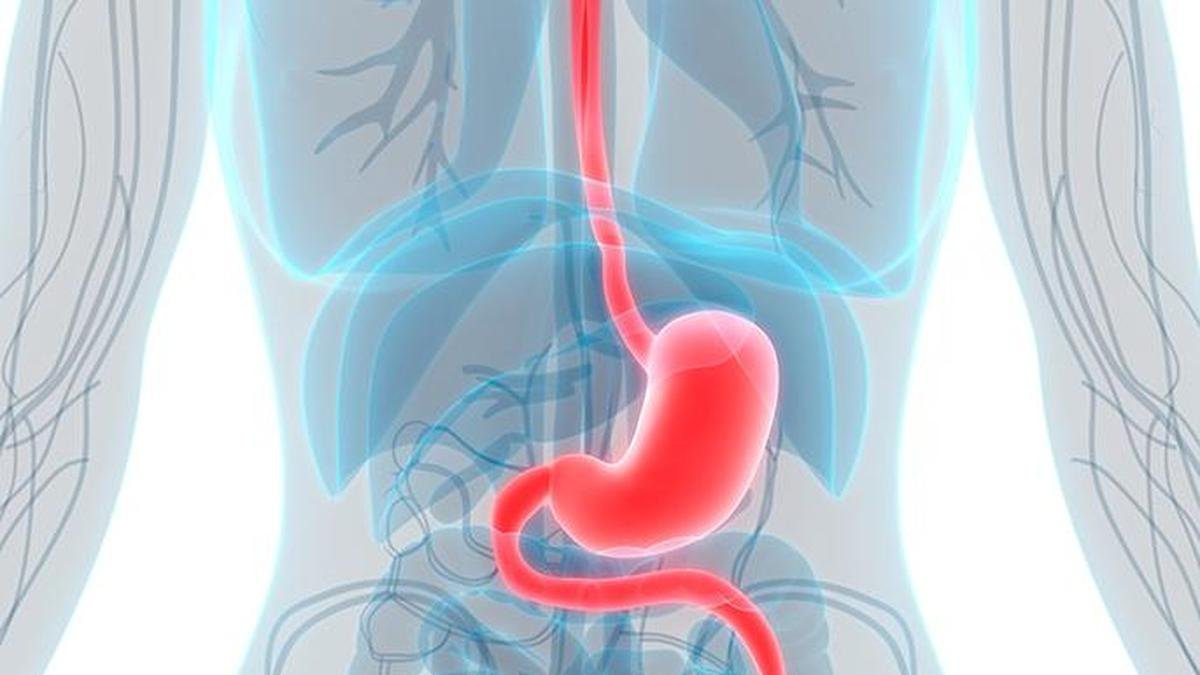

Women frequently attribute early gastrointestinal symptoms to stress, acidity, dietary factors, or simply the rigors of daily life, leading to delayed diagnosis. Image used for representational purposes only
| Photo Credit: Getty Images/iStockphoto
Stomach cancer is a serious, aggressive, and often late-diagnosed malignancy affecting women today. Its ‘silent threat’ lies not just in environmental factors, evidence for which is still emerging, but in how the disease presents itself and when women seek medical help.
What we know
Most women who have never smoked a cigarette in their lives believe they are safe from smoke-related cancers. Millions of women across India, however, are exposed daily to second-hand smoke in homes, workplaces, and public spaces. It is important to understand what this exposure means for their health.
While second-hand smoke is a well-documented cause of lung cancer and cardiovascular disease, evidence shows that the association between passive smoking and stomach cancer is actually very weak. Unlike active smoking, which is a known risk factor for gastric malignancies, studies have not conclusively proven that inhaling second-hand smoke significantly elevates a woman’s risk of developing stomach cancer.

Why women are vulnerable
If passive smoke is only a weak link, why are so many women diagnosed with advanced stomach cancer? The answer largely lies in symptom dismissal and delayed diagnosis.
Women frequently attribute early gastrointestinal symptoms to stress, acidity, dietary factors, or simply the rigors of daily life. These symptoms are often subtle and include persistent indigestion or heartburn, unexplained bloating, gradual, unexplained weight loss and a subtle but persistent discomfort in the upper abdomen.
Because these warning signs mimic common, benign issues, they are easily ignored. This delay in recognising symptoms as potentially serious means that stomach cancer in women is frequently diagnosed at a more advanced stage, when treatment options are limited and outcomes are much harder to navigate.

Awareness for early detection
This is where awareness becomes life-saving. Regardless of a woman’s exposure to second-hand smoke, anyone experiencing persistent and unexplained gastrointestinal symptoms must communicate this clearly to a doctor. Early diagnostic investigation including an endoscopy where indicated, offers the best possibility of catching the disease at a treatable stage.
National Cancer Survivors Month, observed every year in June, reminds us that survivorship is not an accident. It is the outcome of timely action, informed choices, and a healthcare system that listens. Survivors who have walked through the experience of a cancer diagnosis become the most powerful voices for change, advocating for early detection that can spare others from a similar journey.

What can be done
Even though the link to stomach cancer is weak, smoke-free homes remain a public health necessity to protect families from a host of other proven, serious diseases. Beyond environmental factors, the focus must shift to proactive health management:
Do not normalise chronic discomfort: Women must be encouraged to seek medical advice for persistent digestive issues rather than relying on over-the-counter antacids.
Advocate for comprehensive screenings: Healthcare providers should actively investigate vague but continuous gastrointestinal complaints.
Awareness, early consultation, and the courage to investigate symptoms without dismissing them are the tools that turn a potential tragedy into a story of survival worth celebrating.
(Dr. Jyoti Wadhwa is principal lead, medical & precision oncology, Apollo Athenaa Women’s Cancer Centre, Delhi. drjyotiwadhwa@apollohospitals.com)
Published – June 23, 2026 07:04 pm IST