

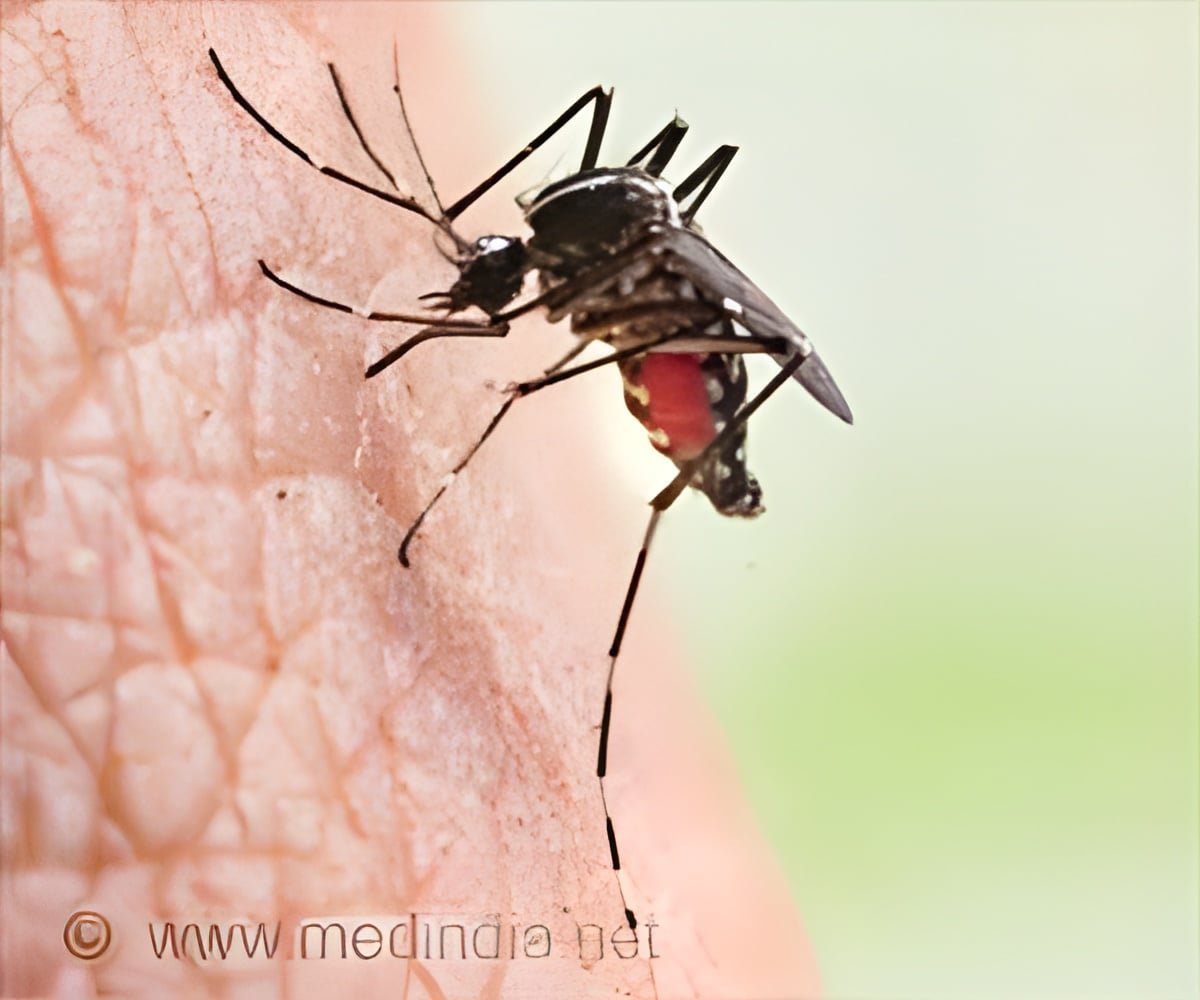
Why are dengue and malaria cases increasing during the monsoon? Discover the symptoms, health risks, prevention tips, and Punjab’s response to the seasonal surge.
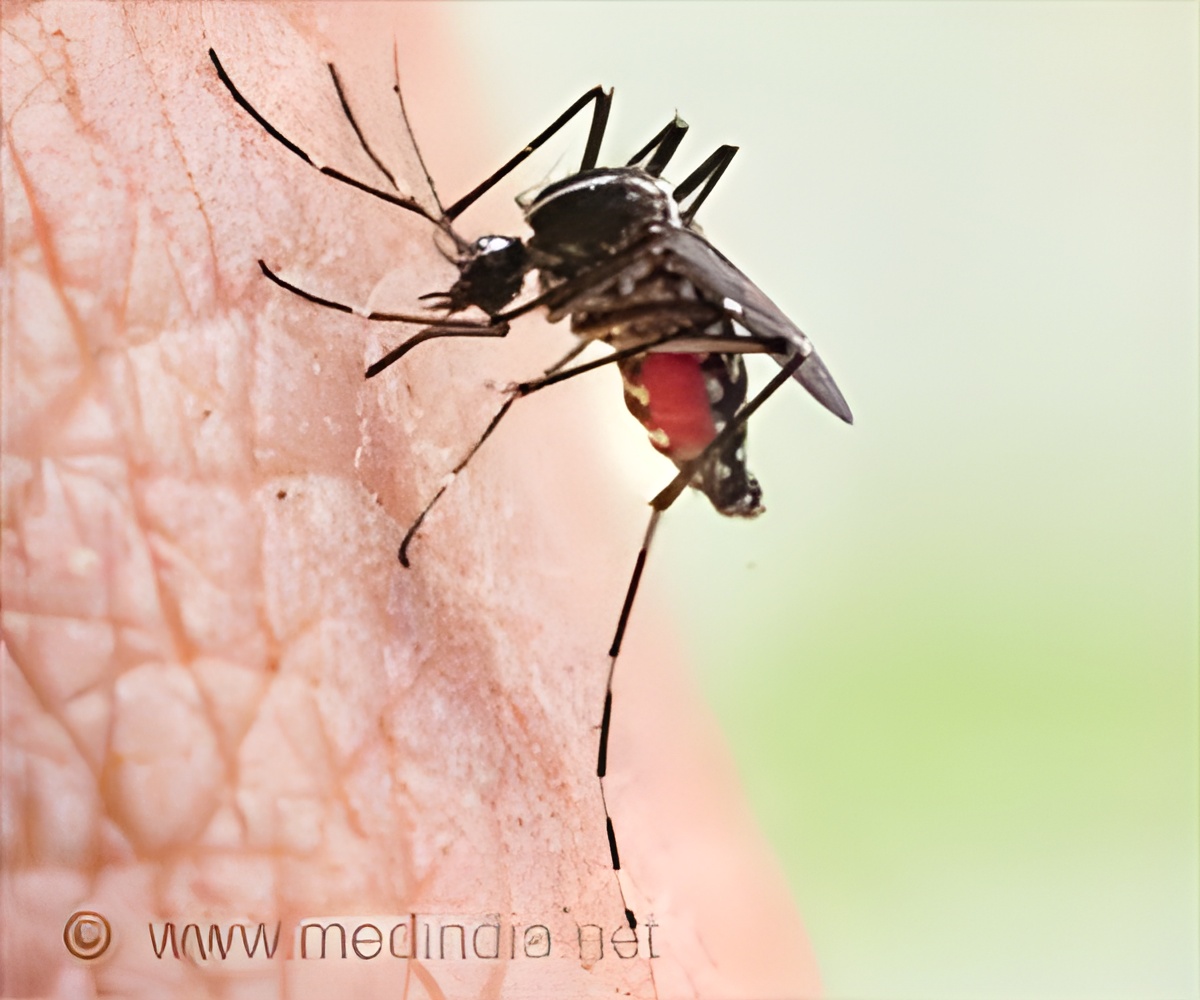
As the monsoon season sets in, Ludhiana is witnessing a rise in malaria and dengue cases, prompting the Punjab Health Department to intensify surveillance, anti-larval operations, and public awareness campaigns. ()
Health officials have stepped up inspections across residential areas, schools, construction sites, and public spaces to eliminate mosquito breeding grounds before the seasonal outbreak worsens.
According to the latest district health data, 29 malaria cases and nine dengue cases have been reported in Ludhiana. In response, health teams are conducting door-to-door inspections, identifying stagnant water sources, issuing notices where mosquito larvae are found, and carrying out fogging and anti-larval measures to reduce mosquito populations.
Why Do Dengue and Malaria Cases Increase During the Monsoon?
Heavy rainfall creates ideal breeding conditions for mosquitoes by leaving behind stagnant water in coolers, flower pots, discarded containers, construction sites, clogged drains, and rooftop tanks. Even a small amount of standing water can become a breeding site within days.
Dengue is caused by the dengue virus and is transmitted by the Aedes aegypti mosquito, which bites during the daytime. Malaria, on the other hand, is caused by Plasmodium parasites and spreads through the bite of infected Anopheles mosquitoes, which are most active between dusk and dawn. Although both diseases are mosquito-borne, they are caused by different pathogens and require different treatments.
Advertisement
How to Recognize Dengue and Malaria Symptoms Early
The early symptoms of dengue and malaria can appear similar, making timely diagnosis essential.
Dengue usually begins with a sudden high fever accompanied by severe headache, pain behind the eyes, muscle and joint pain, nausea, vomiting, and skin rashes. In some patients, the disease can progress to severe dengue, leading to internal bleeding, plasma leakage, shock, and organ damage.
Warning signs include persistent vomiting, severe abdominal pain, bleeding from the gums or nose, blood in vomit or stools, difficulty breathing, and extreme fatigue. These symptoms require immediate medical attention.
Malaria commonly presents with recurrent fever, chills, shivering, excessive sweating, headache, nausea, vomiting, and body aches. Without prompt treatment, severe malaria can affect the brain, kidneys, lungs, and other organs, particularly in young children, older adults, pregnant women, and people with weakened immune systems.
Advertisement
Why Dengue and Malaria Cases Are Rising Worldwide
According to the World Health Organization (WHO), dengue is the world’s fastest-growing mosquito-borne viral disease, with nearly half of the global population now living in areas at risk. Climate change, rapid urbanization, population growth, and increased travel have expanded the geographic range of mosquitoes, resulting in more frequent outbreaks.
WHO estimates that there are 100–400 million dengue infections worldwide each year, although many remain undiagnosed or cause only mild symptoms. Malaria continues to be another major global health concern, with the WHO reporting approximately 263 million malaria cases and nearly 600,000 deaths worldwide in 2023, the majority occurring in tropical and subtropical regions.
Advertisement
Punjab Strengthens Surveillance Ahead of Peak Dengue and Malaria Season
With the onset of the rainy season, the Punjab government has instructed health departments across districts to strengthen preparedness against vector-borne diseases. Surveillance teams have been directed to intensify larval inspections, improve early diagnosis, ensure the availability of medicines, and increase public awareness about eliminating mosquito breeding sites.
At the national level, the Union Health Ministry has also urged states to strengthen surveillance, adhere to treatment protocols, and intensify awareness campaigns against dengue and malaria before peak transmission season.
Simple Steps to Prevent Dengue and Malaria
Public health experts say preventing mosquito breeding remains the most effective strategy to reduce infections. Households should regularly empty and scrub water storage containers, coolers, flower pots, buckets, and bird baths to prevent mosquito eggs from developing. Water tanks should remain tightly covered, while discarded tyres, plastic containers, and other items that collect rainwater should be removed or properly disposed of.
People are also advised to wear long-sleeved clothing, use mosquito repellents containing DEET or picaridin, install window screens where possible, and sleep under mosquito nets, particularly in malaria-prone areas.
Anyone experiencing persistent fever, severe headache, chills, unusual bleeding, or worsening symptoms should seek medical attention promptly rather than self-medicating, as early diagnosis significantly improves outcomes for both dengue and malaria.
With monsoon conditions expected to continue, health officials stress that controlling mosquito breeding at the household and community level remains the most effective way to reduce the spread of both diseases.
References:
- Union Health Minister Shri J.P. Nadda Reviews Dengue and Malaria Preparedness Ahead of the Monsoon Season – (https://www.pib.gov.in/PressReleasePage.aspx?PRID=2274819)
Source-Medindia