

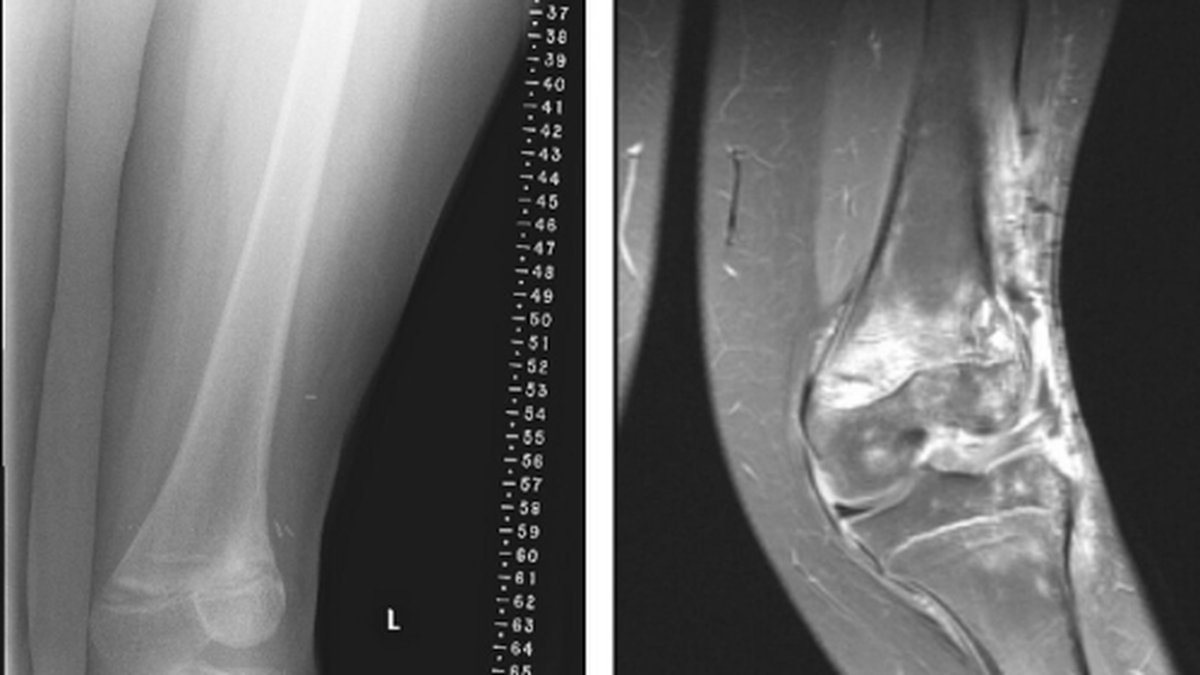
Knock knees, also called genu valgum, are a common part of early childhood development in which the knees angle inward and touch while the ankles remain apart. While the condition often corrects itself as children grow, experts say that severe or persistent cases may sometimes point to nutritional deficiencies, obesity, skeletal disorders, or long-term joint complications.
Parents often become anxious when they notice their child’s legs turning inward during the preschool years. However, doctors say that mild knock knees are usually physiological and part of normal bone development.
One of the key factors associated with worsening genu valgum is childhood obesity, which continues to rise globally. According to the World Health Organization, obesity among children and adolescents aged 5–19 years has increased dramatically over the past four decades A 2017 study conducted in rural Koppal among children aged 6–12 years reported a genu valgum prevalence of around 11.2%, while studies among overweight children have shown even higher rates.

Part of childhood growth
Knock knees are usually seen between the ages of two and seven as part of natural skeletal development. T. Rajarajan, consultant orthopaedic surgeon, specialist in Trauma Surgery, Robotic Joint Replacement and Arthroscopy, VS Hospitals, says mild genu valgum is generally not a cause for concern during these years. “Cases of genuine danger in relation to the deformity occur when it persists beyond eight years of age, is experienced in one leg alone, or has associated symptoms such as knee pain and inability to walk,” he says.
Ravi Sankar Kirubanandan, senior consultant, Orthopaedics, Kauvery Hospital, explains that genu valgum “is prevalent among children aged two to seven since it is an important phase in the physiological development of children’s legs. In most cases, it does not pose any risk to the child’s health if it does not inhibit their movement,” he says.
G. Mohan, senior consultant, Orthopaedic Surgery, SRM Prime Hospital, adds that if knock knee related concerns worsens beyond seven years, it needs splints and in some cases, surgery,”. Leg alignment changes naturally as children grow. Infants are often born bow-legged, after which the legs gradually shift inward during preschool years before settling into normal alignment by late childhood.

Major contributors
While growth-related genu valgum is common, experts say some children develop knock knees because of underlying health conditions or lifestyle-related factors. Dr. Rajarajan says conditions such as rickets, bone dysplasia, trauma, joint infections, and obesity can interfere with proper bone formation and positioning. “One of the most common causes among them is obesity. The added stress to the knees in case of being overweight worsens the deformation rate,” he says, worsening knee misalignment by increasing pressure on growing joints, particularly during childhood and adolescence.
Dr. Mohan points to poor nutrition, especially deficiencies in vitamin D and calcium, that can also affect bone strength and alignment during growth. Inadequate sunlight exposure, sedentary lifestyles, and nutritional imbalance are increasingly being seen alongside childhood musculoskeletal problems.
Dr. Kirubanandan says genetics may also play a role in some cases. “The genetic makeup can be another cause of genu valgum, especially if one’s family is prone to having abnormal skeletons,” he says.
Treatment and management
“Managing knock knees is dependent on the patient’s age, severity, associated symptoms, and the impact that it is having on their ability to walk normally,” says Dr. Kirubanandan.In mild cases, doctors often recommend observation and regular follow-up because the condition may improve naturally with growth.
Dr. Mohan says, physiotherapy may be advised in cases involving muscle imbalance, poor posture, or walking abnormalities. Strengthening exercises help improve joint stability and movement patterns. “Surgery is opted only in severe or progressive cases where the knock knees persist beyond the age of eight years, become progressively worse, or result in pain and difficulty in carrying out normal activities,” he says.
Treatment options may include growth-guidance procedures in children or corrective osteotomy surgeries in adults with advanced joint damage and deformity.
Dr. Rajarajan adds that, radiographic evaluation, including X-rays, helps assess bone alignment, growth plates, and the extent of deformity. Early diagnosis can help identify cases that may respond well to physiotherapy, weight reduction, splints, and nutritional correction before surgery becomes necessary.
Untreated knock knees and risks
Doctors warn that severe or untreated knock knees can place abnormal stress on the knee joint over time, increasing the risk of pain and degeneration later in life. “Not fixing severe cases of knock knees leads to the early onset of arthritis due to constant strain on the knee’s compartments,” says Dr. Rajarajan.He adds that prolonged knee misalignment may also affect the hips, ankles, and spine, resulting in pain, balance problems, altered walking patterns, and reduced mobility.
Untreated mild cases may mainly affect walking patterns, but severe deformities can lead to early arthritis and joint pain requiring surgical intervention. Persistent genu valgum in adulthood may contribute to tissue damage, discomfort, restricted movement, and gradual joint deterioration.

Need for early intervention
Doctors say physiotherapy and healthy lifestyle measures can help improve muscle strength, stability, and walking mechanics in children with mild to moderate knock knees. According to Dr. Rajarajan, physiotherapy techniques focusing on the quadriceps, hamstrings, hip abductors, and core muscles may improve knee stability during movement.
Exercises such as wall squats, straight leg raises, resistance-band walking, cycling, balance training, and stretching are commonly recommended.
Dr. Mohan says identifying and treating the underlying cause early is important. “Earlier the better for mild to moderate cases,” he says, adding that night splints and observation during early childhood are often sufficient, while neglected or severe deformities may require surgical correction after the age of 12. Posture correction and maintaining an optimal body weight are also important in reducing stress on developing joints.
Doctors also stress the importance of adequate vitamin D and calcium intake, regular outdoor activity, and preventing childhood obesity as part of early intervention. They caution parents against relying solely on braces or home remedies without consulting a medical professional, especially if the child develops pain, limping, or worsening deformity.