

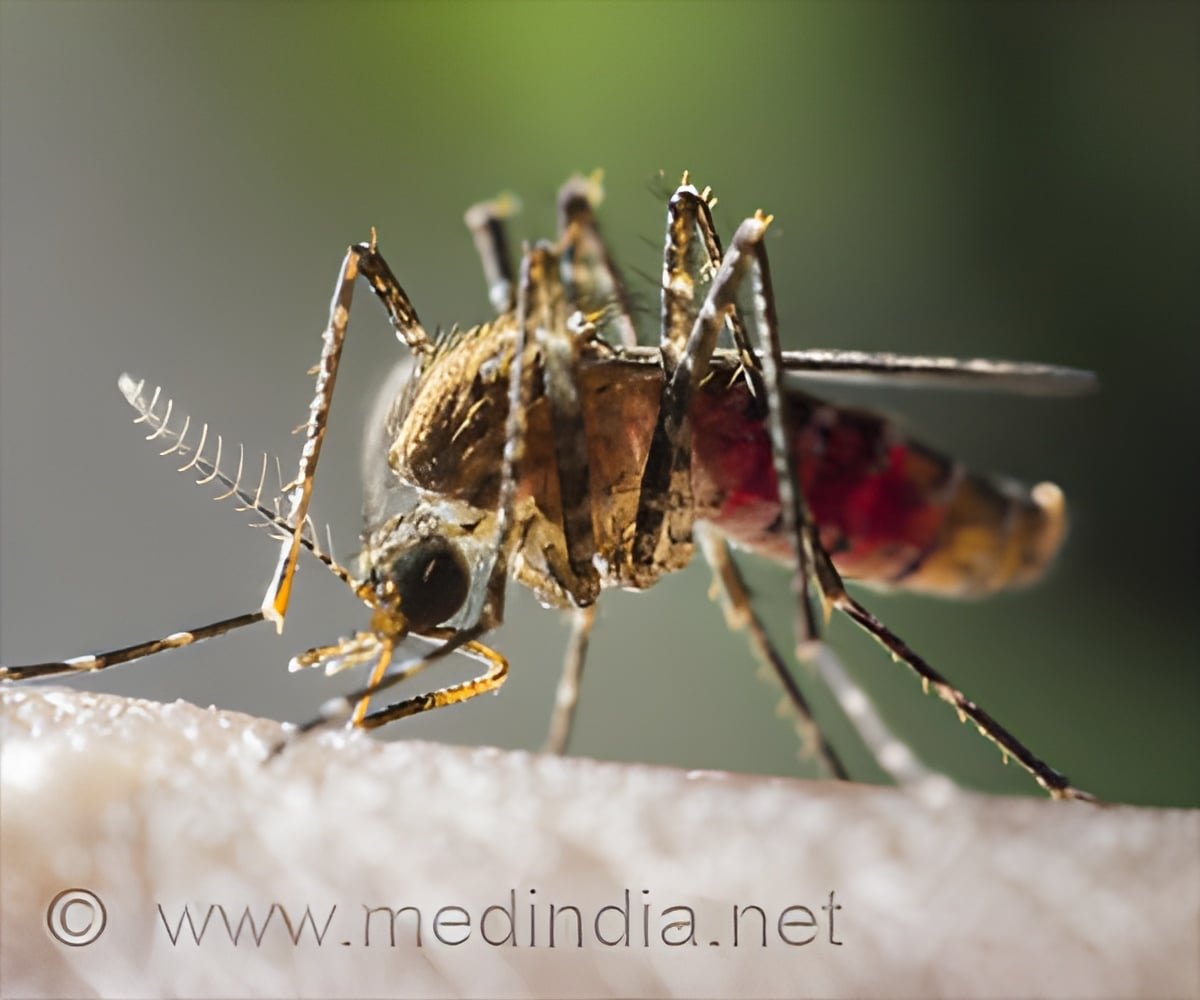
Could Kerala’s rising chikungunya cases worsen during the monsoon as mosquito breeding increases across the state? Here’s what you need to know about symptoms and prevention.
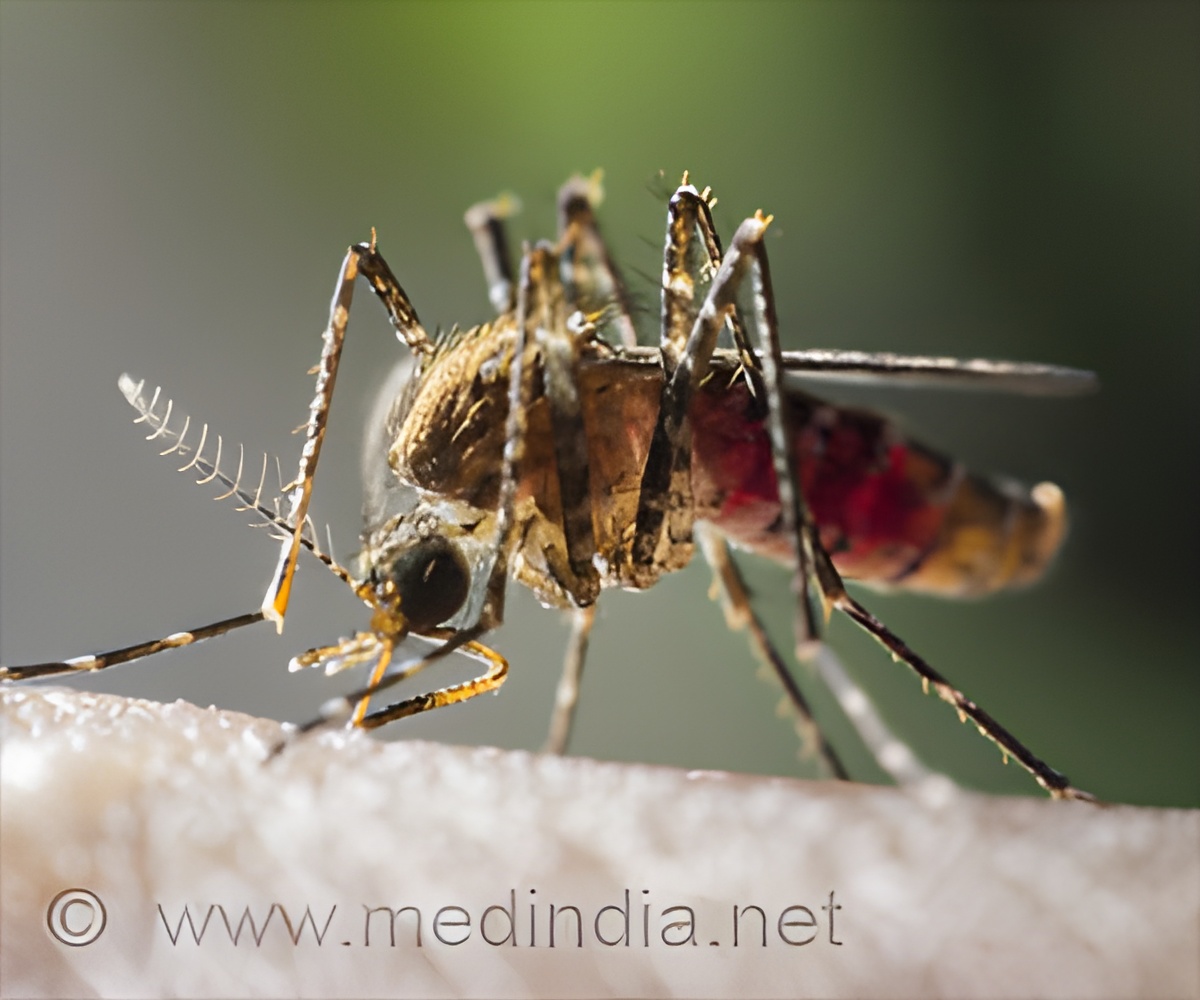
Kerala is witnessing a rise in chikungunya infections, with 105 confirmed and 62 probable cases reported across the state as of August 4, 2026. Thiruvananthapuram accounts for the majority of the reported cases, prompting renewed focus on mosquito control as monsoon conditions create favorable breeding grounds for Aedes mosquitoes.
Advertisement
Chikungunya Cases Rise Across Kerala
Kerala has reported a notable increase in chikungunya cases during the ongoing monsoon season. According to the latest figures cited in reports, the state had recorded 105 confirmed cases and 62 probable cases as of August 4. A large share of the infections has been reported from Thiruvananthapuram, making the district a key focus of surveillance and vector-control efforts.
The increase has raised concern because monsoon rainfall can create numerous small collections of stagnant water, providing suitable breeding sites for Aedes aegypti and Aedes albopictus mosquitoes. These mosquito species are also capable of transmitting dengue, making vector control important for preventing multiple mosquito-borne diseases.
Health authorities have stepped up surveillance, mosquito-control activities and public awareness measures in areas reporting infections.
Advertisement
Why Monsoon Conditions Raise The Risk
The rise in cases has been linked by health experts to favorable mosquito-breeding conditions during the rainy season. Rainwater can accumulate in discarded containers, tyres, flower pots, coconut shells, drains and uncovered water-storage vessels.
TS Anish, Professor of Community Medicine at the School of Public Health, Kerala University of Health Sciences, noted that monsoon conditions favor the breeding of both Aedes aegypti and Aedes albopictus. Higher mosquito populations can allow chikungunya transmission to continue efficiently.
This makes eliminating breeding sites an important part of the state’s response. Regularly emptying stagnant water and preventing containers from collecting rainwater can reduce the number of places where mosquitoes reproduce.
Advertisement
What Is Chikungunya?
Chikungunya () is a viral disease caused by the chikungunya virus and is primarily transmitted through the bite of an infected Aedes mosquito. These mosquitoes are generally active during the daytime, including the early morning and late afternoon.
Unlike illnesses that spread through respiratory droplets, chikungunya is primarily transmitted through infected mosquitoes. A mosquito can acquire the virus when it bites an infected person and subsequently transmit it to another person.
Severe Joint Pain Is A Key Symptom
Chikungunya begins with a sudden fever accompanied by intense joint pain. Other symptoms can include headache, muscle pain, fatigue, joint swelling and skin rashes.
While the acute fever often improves within several days, joint pain can persist for weeks or months in some patients. Prolonged inflammation and stiffness can affect mobility and interfere with everyday activities.
The illness is generally not considered highly fatal, but its ability to cause prolonged joint-related symptoms makes it a significant public health concern.
Chikungunya And Dengue Can Be Confused
One challenge during mosquito-borne disease outbreaks is that chikungunya and dengue can initially produce similar symptoms, particularly fever, headache, muscle aches and fatigue.
Because the two diseases require different clinical considerations, people experiencing persistent or sudden fever should seek medical advice rather than assuming the infection is chikungunya. Healthcare professionals can determine whether laboratory testing is required and recommend appropriate treatment.
No Specific Antiviral Treatment
There is currently no routinely used specific antiviral treatment that eliminates chikungunya infection. Treatment generally focuses on relieving symptoms, maintaining adequate hydration and allowing the body to recover.
Because dengue can produce similar symptoms, people should consult healthcare professionals before taking medicines for fever or pain. Medical guidance is particularly important when symptoms are severe, persistent or worsening.
Who May Need Extra Care?
Although most chikungunya infections are not fatal, severe or prolonged illness can be particularly concerning for vulnerable groups. Older adults, newborns and people with certain underlying health conditions may be at greater risk of complications.
Persistent joint pain can also continue after the initial infection has resolved, sometimes affecting a person’s ability to work or carry out normal activities.
How To Prevent Chikungunya
With Kerala’s monsoon continuing, preventing mosquito breeding remains one of the most important ways to reduce transmission.
Residents should regularly check their homes and surroundings for stagnant water. Water containers should be kept covered, while discarded tyres, bottles, coconut shells, flower pots and other objects capable of collecting rainwater should be emptied, removed or stored appropriately.
People can also reduce mosquito bites by wearing long-sleeved clothing, using mosquito repellents and keeping doors and windows screened where possible.
Community participation is particularly important because mosquitoes can breed outside individual homes as well. Regular cleaning of neighborhoods, drains and public spaces can therefore complement household-level prevention.
Thiruvananthapuram At The Centre Of Concern
The concentration of cases in Thiruvananthapuram has made the district a particular focus of attention. The reported increase has prompted authorities to strengthen surveillance and mosquito-control measures while increasing public awareness about prevention.
The situation also highlights the broader challenge Kerala faces during the monsoon, when mosquito populations can increase rapidly. Since Aedes mosquitoes transmit both chikungunya and dengue, reducing their breeding sites can help lower the risk of both diseases.
What Happens Next?
With 105 confirmed and 62 probable chikungunya cases recorded as of August 4, continued surveillance will be important as Kerala moves through the monsoon season.
Health officials are focusing on monitoring affected areas, controlling mosquito populations and encouraging residents to remove stagnant water. The effectiveness of these measures will depend not only on government action but also on regular participation from households and communities.
For residents, the message remains straightforward: remove stagnant water, prevent mosquito bites and seek medical advice if fever and severe joint pain develop.
References:
- About Chikungunya Virus – (https://www.cdc.gov/chikungunya/about/index.html)
Source-Medindia