

3 min readNew DelhiUpdated: Aug 11, 2026 07:47 PM IST
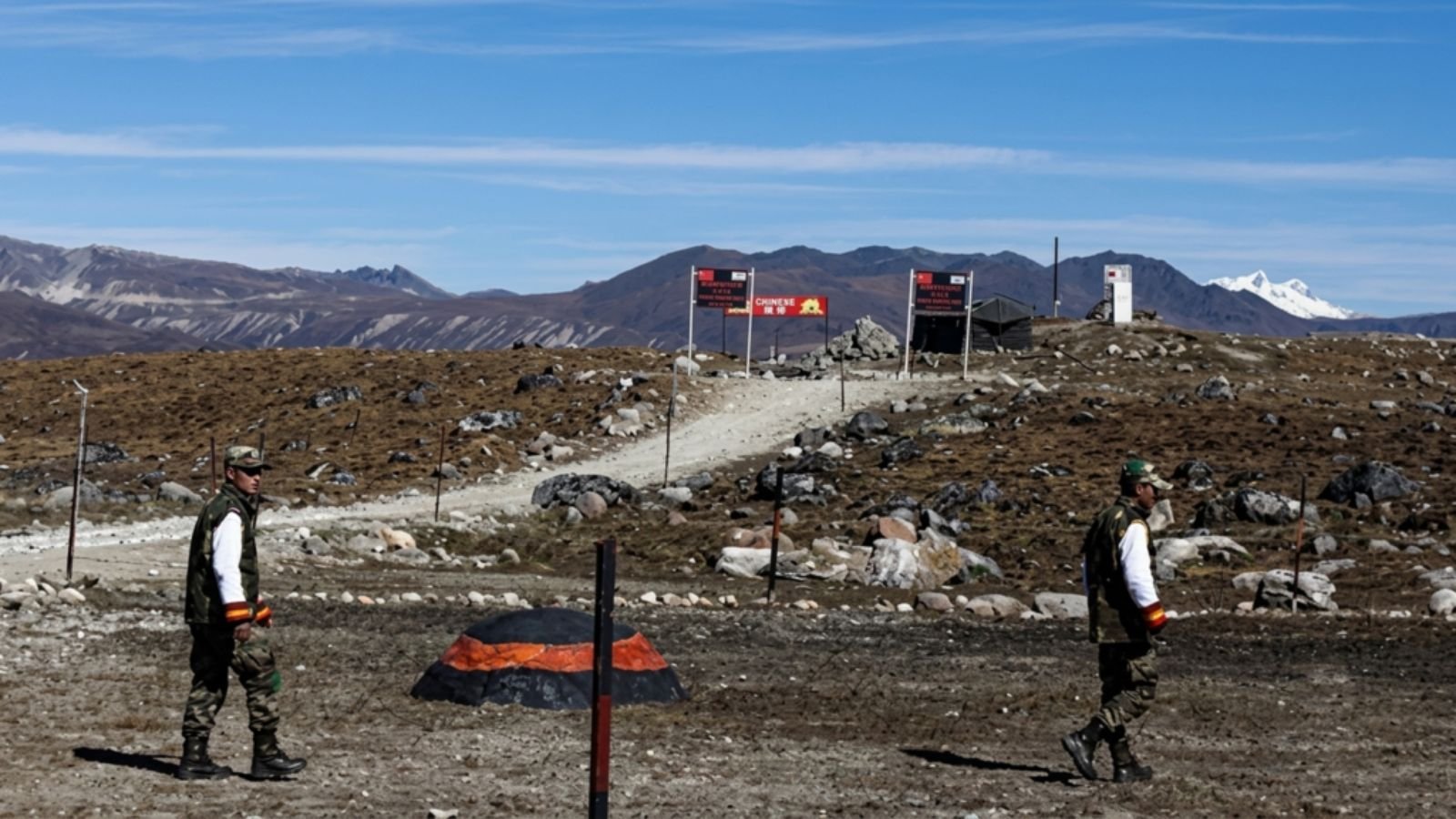
The Ministry of External Affairs (MEA) on Tuesday rejected China’s criticism of India assigning standard names to 27 places and features in Arunachal Pradesh, asserting the state is an “inalienable and integral” part of India and nothing can change this “indisputable reality”.
The MEA also said the situation along its border with China would have a bearing on the broader bilateral relationship, reiterating that maintaining peace and tranquillity along the Line of Actual Control (LAC) is of “utmost importance”.

‘Border issues most serious’, says MEA
At a media briefing, MEA spokesperson Randhir Jaiswal said, “In matters relating to the border areas between India and China, we have always emphasised in discussions with the Chinese side that we consider these issues as most serious.”
“The maintenance of peace and tranquillity in these areas is of the utmost importance. We have also stated that the state of the border affairs will reflect on the state of our larger bilateral ties,” he added.
Bi-Weekly Media Briefing by the Official Spokesperson (August 11, 2026)
https://t.co/Q1KeQofnIi— Randhir Jaiswal (@MEAIndia) August 11, 2026
Jaiswal said the position was reiterated at a meeting of the Working Mechanism for Consultation and Coordination on India-China border affairs (WMCC) held last week. The two sides, he said, held “frank discussions” and reviewed the situation along the LAC.
India stressed, again, that peace and tranquillity in the border areas are essential for the overall development of bilateral relations.
Diplomatic, military channels to continue
The two sides agreed to continue using existing diplomatic and military mechanisms to address outstanding issues and prevent misunderstanding and miscalculation along the LAC, Jaiswal said.
These include the WMCC, local commander-level meetings and other agreed mechanisms.
Story continues below this ad
The latest discussions come as India and China seek to rebuild ties following the severe strain caused by the 2020 Galwan Valley clashes and the military face-off that continued for more than four years.
In October 2024, the two sides finalised a disengagement agreement for Depsang and Demchok in eastern Ladakh, the last two friction points mentioned in the information provided.
Days later, Prime Minister Narendra Modi and Chinese President Xi Jinping met in Kazan and took a number of decisions aimed at improving bilateral ties.
In August last year, Modi travelled to Tianjin for the annual Shanghai Cooperation Organisation (SCO) summit and held extensive talks with Xi on the sidelines. Modi said India was committed to advancing ties with China on the basis of mutual trust, respect and sensitivity.