

ICMR has licensed three indigenous technologies to Emcure and Biological E to advance cancer and infectious disease innovation.
India’s homegrown biomedical innovation ecosystem has taken another major step forward. The Indian Council of Medical Research (ICMR) has facilitated the transfer of three indigenous biomedical technologies, one aimed at tackling precancerous cervical disease and two designed to combat infectious illnesses, to Emcure Pharmaceuticals and Biological E Limited. The move brings promising Indian research one step closer to becoming real-world healthcare solutions (1✔ ✔Trusted Source
ICMR facilitates licensing of 3 Indigenous Biomedical Technologies to Indian pharmaceutical & vaccine manufacturers
).
Under the licensing agreements, Emcure Pharmaceuticals will develop SHetA2, an anti-HPV therapeutic candidate for Cervical Intraepithelial Neoplasia (CIN), while Biological E Limited will advance two vaccine technologies targeting infections caused by Salmonella and Shigella. The partnerships highlight ICMR’s efforts to translate publicly funded research into future healthcare products.
Advertisement
What Technologies Did ICMR Transfer to Emcure and Biological E?
The Indian Council of Medical Research (ICMR) facilitated the licensing of three indigenous biomedical technologies to leading Indian pharmaceutical and vaccine manufacturers to advance cancer and infectious disease solutions. The technology transfer was carried out under the organization’s innovation commercialization initiatives.
Advertisement
Can SHetA2 Change the Future of Cervical Cancer Prevention?
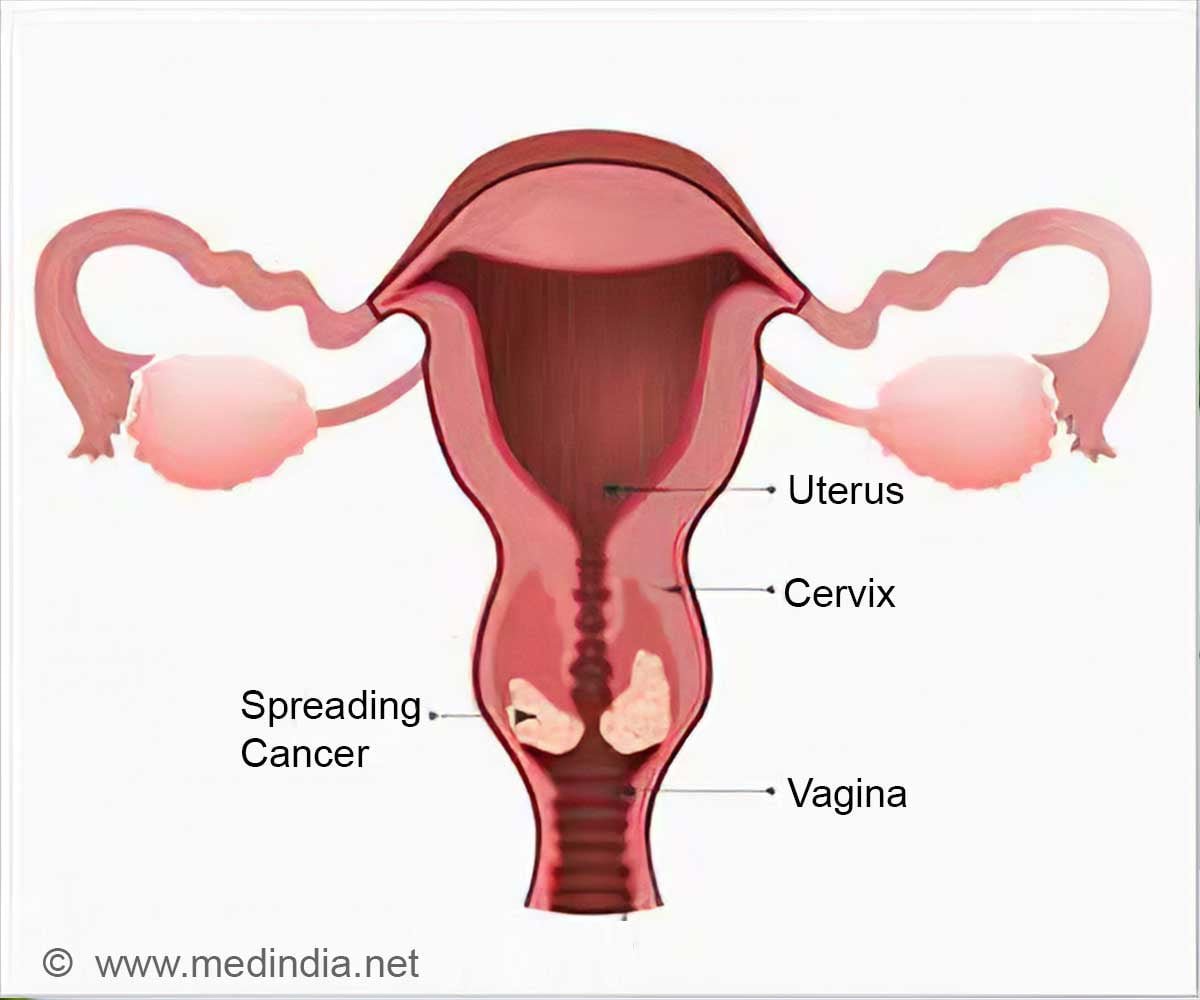
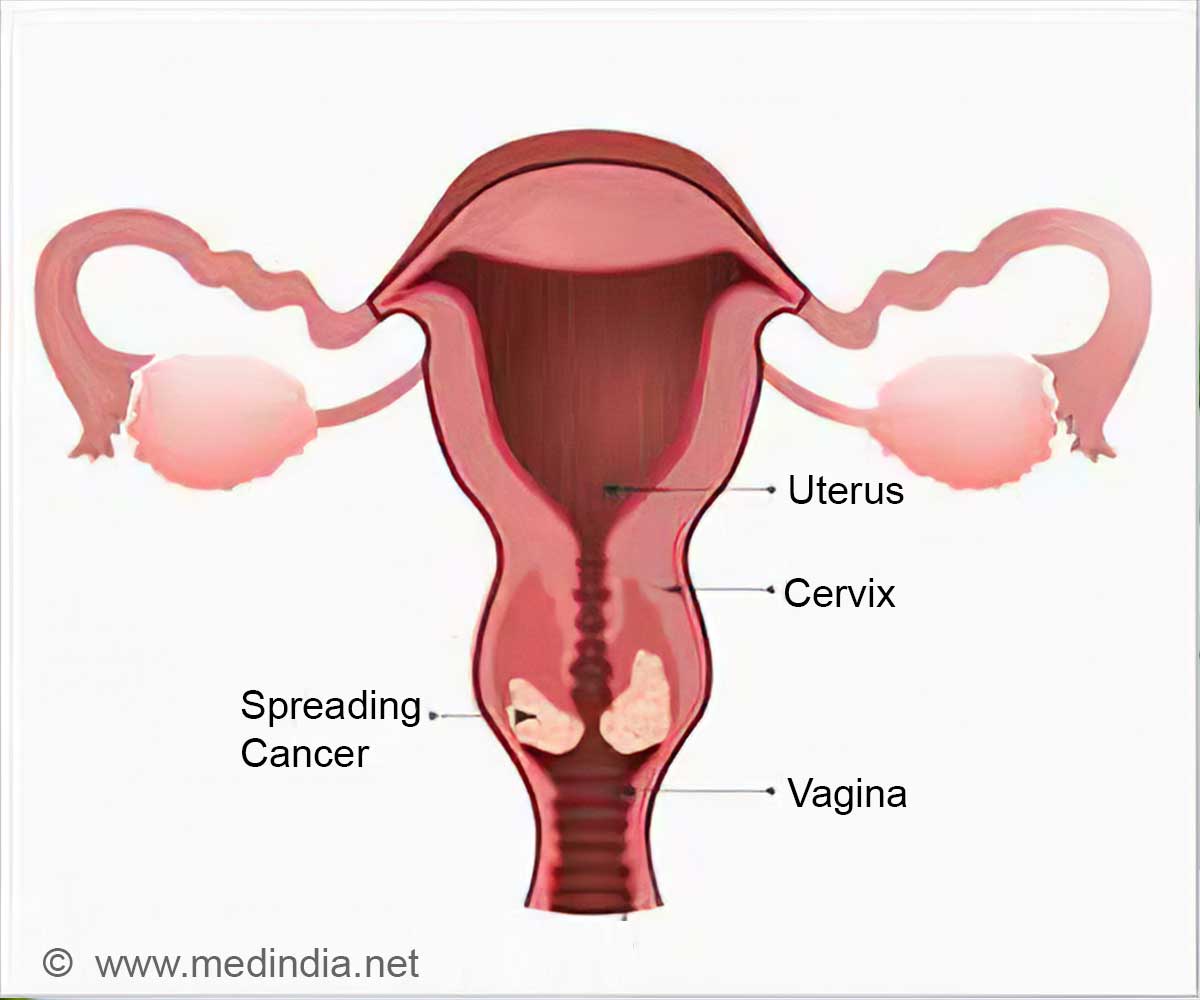
One of the licensed technologies is SHetA2, a novel anti-HPV therapeutic candidate for Cervical Intraepithelial Neoplasia (CIN). Developed by ICMR-National Institute for Cancer Prevention and Research (ICMR-NICPR), the technology has been licensed to Emcure Pharmaceuticals for further development and commercialization.
Advertisement
Why Are the New Salmonella and Shigella Vaccines Important?
Biological E Limited has received licenses for two vaccine technologies: a glycoconjugate Salmonella vaccine and a recombinant vaccine composition targeting Typhoid/Paratyphi and Shigella infections. These technologies were developed by Dr. Santasabuj Das and his team at the ICMR-National Institute for Research in Bacterial Infections.
How Is ICMR Accelerating India’s Biomedical Innovation Ecosystem?
The licensing agreements were facilitated under the ICMR Medical Innovations Patent Mitra initiative, which supports the transfer of indigenous biomedical technologies to industry partners for development and commercialization. The initiative focuses on advancing vaccines, biotherapeutics, diagnostics, and medical devices by helping move promising research from laboratories toward practical healthcare applications. As India continues to strengthen its biomedical research capabilities, such collaborations can help accelerate the development of future medicines and vaccines.
Reference:
- ICMR facilitates licensing of 3 Indigenous Biomedical Technologies to Indian pharmaceutical & vaccine manufacturers – (https://newsonair.gov.in/icmr-facilitates-licensing-of-3-indigenous-biomedical-technologies-to-indian-pharmaceutical-vaccine-manufacturers/)
Source-Medindia