

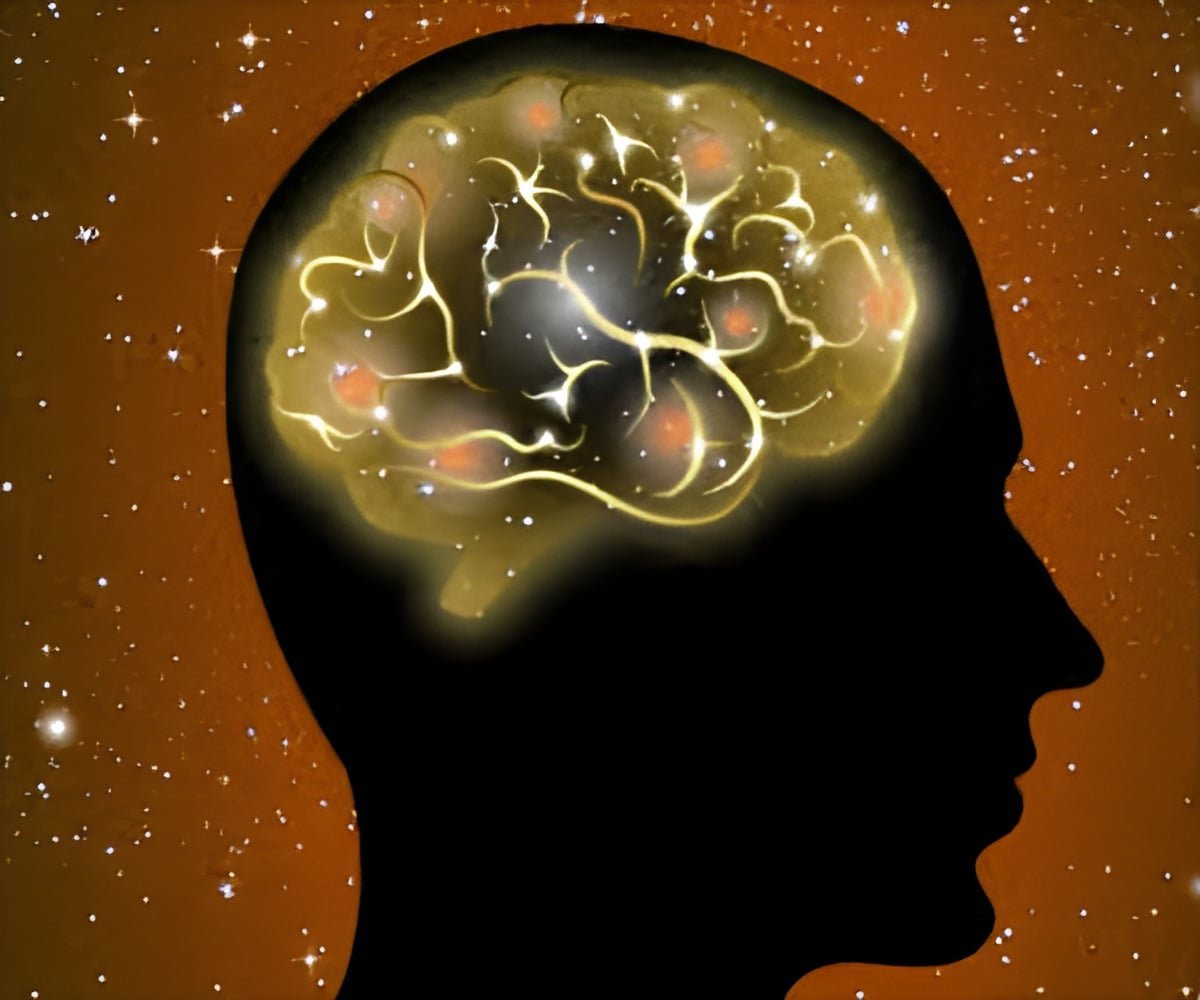
Brain health depends on energy and healthy cells. See how sleep, exercise and a healthy diet support the brain
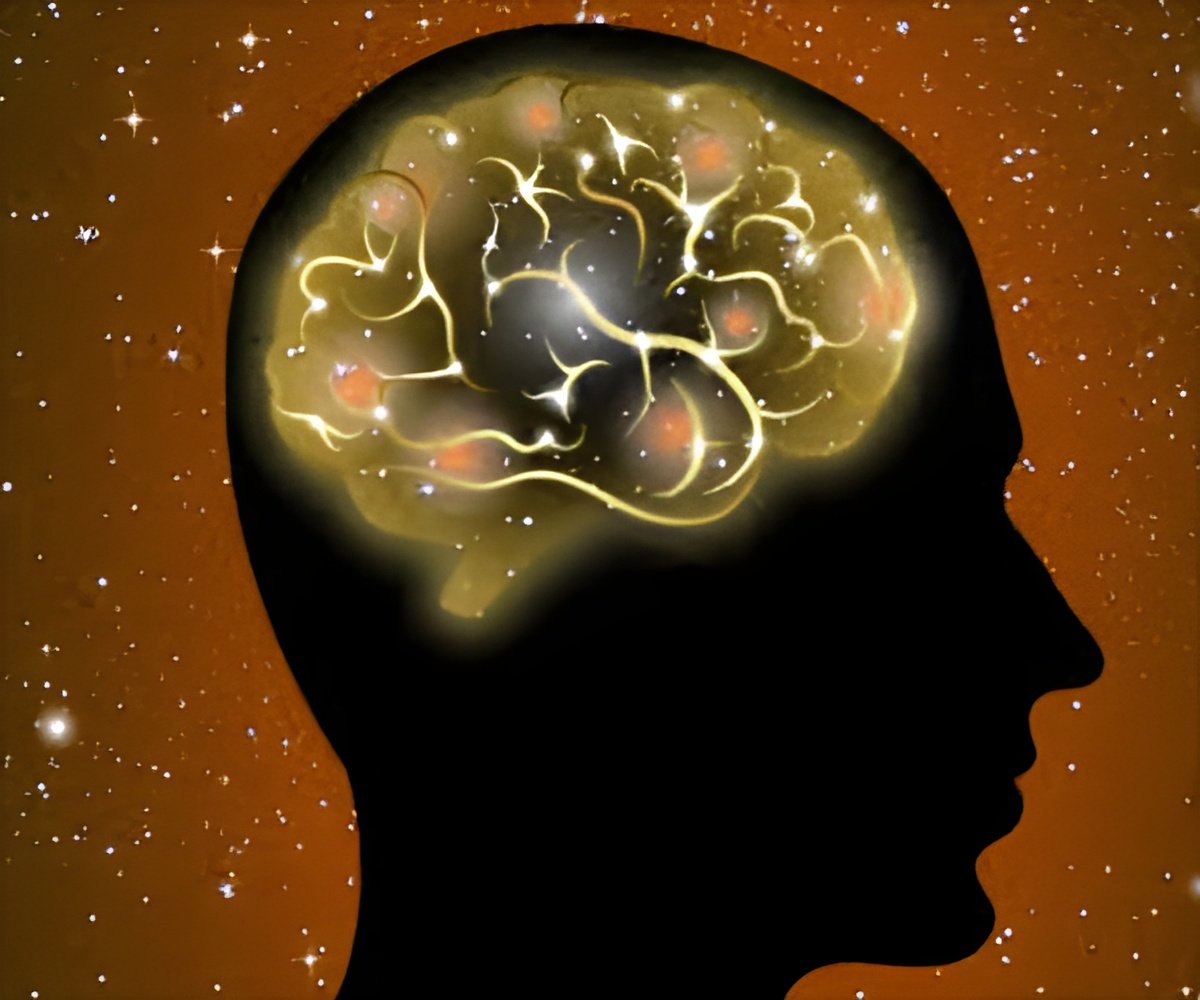
- Brain health depends on a constant supply of cellular energy brain health
- Mitochondria help power brain cells and regulate important cellular processes #Mitochondria
- Sleep, exercise and diet support different systems that help the brain function normally #HealthyLiving
Think about the three health habits people hear most often: sleep well, exercise regularly and eat a healthy diet. They may sound like separate pieces of advice, but they meet at an important point inside the body: the brain needs a continuous supply of energy to keep its cells working.
Tiny structures called mitochondria help provide that energy. Although the brain accounts for only about 2% of body weight, it uses roughly 20% of the body’s energy at rest (1✔ ✔Trusted Source
Brain mitochondria as key drivers of cognition and behaviour
).
This high energy demand helps explain why scientists are increasingly interested in how everyday habits affect the biological systems that support the brain. The emerging picture is not that one habit or one food controls brain health, but that several systems work together.
Advertisement
How Do Mitochondria Support Brain Health?
Mitochondria are small structures inside cells. They are often called the “powerhouses” of cells because they help produce ATP, the molecule cells use to carry and supply energy.
Their role in the brain is more complex than simply producing energy. A 2026 review in Nature Reviews Neuroscience describes brain mitochondria as important for energy production, calcium regulation, management of reactive oxygen species, neurotransmitter activity and cellular quality control. These functions help support neural circuits involved in learning, memory, motivation and behaviour (1✔ ✔Trusted Source
Brain mitochondria as key drivers of cognition and behaviour
This is important because neurons are highly active cells. They constantly communicate with one another, and maintaining that communication requires energy.
Advertisement
Does Exercise Improve Brain Health?
Research provides human evidence that physical activity can affect brain structure and memory. In a randomized controlled trial, 120 adults aged 55 to 80 years were assigned to either aerobic exercise or a stretching and toning program for one year.
The aerobic exercise group had about a 2% increase in hippocampal volume, while hippocampal volume declined in the control group. The exercise group also showed improved spatial memory. The hippocampus is a brain region involved in learning and memory (2✔ ✔Trusted Source
Exercise training increases size of hippocampus and improves memory
Importantly, this trial did not prove that mitochondrial changes caused the improvement. Exercise affects many biological systems, including blood flow, metabolism and growth-factor signalling. Therefore, mitochondria are one possible part of the larger explanation, not the only one.
Advertisement
Can a Healthy Diet Support Brain Function?
Food supplies the nutrients the body uses for energy and other cellular processes. Because brain cells have high energy requirements, nutrition is an important part of the wider system supporting brain function.
Evidence from a 2025 systematic review and meta-analysis adds another layer to this picture. Researchers combined 19 randomized controlled trials involving 12,119 healthy adults and found that dietary interventions had a small positive effect on overall cognitive function. Improvements were also reported for executive function, processing speed and language, although the analysis did not find significant benefits for delayed memory or spatial ability (3✔ ✔Trusted Source
Systematic evaluation and meta-analysis of the effects of major dietary patterns on cognitive function in healthy adults
These findings do not mean that one particular food can make a person smarter. They also do not prove that the cognitive effects of diet occur specifically because of mitochondria.
How Do Sleep, Exercise and Diet Work Together?
Sleep, exercise and diet affect the body in different ways, but all are connected to the biological environment in which brain cells operate.
Mitochondria help supply energy and regulate several processes within neurons. Physical activity can influence brain structure and function, while dietary patterns can affect cognitive outcomes. Sleep also interacts with brain metabolism and cellular maintenance, although the exact relationship between sleep and mitochondrial function is still being investigated (1✔ ✔Trusted Source
Brain mitochondria as key drivers of cognition and behaviour
The important point is that this research does not establish a single mitochondrial pathway through which every healthy habit improves the brain. Brain health depends on many interacting systems.
What Can You Do for Better Brain Health?
There is no need to turn mitochondrial health into a complicated routine. The evidence supports focusing on basic, sustainable habits rather than searching for a single “brain-boosting” food or supplement.
| Healthy Habit | Practical Approach |
|---|---|
| Sleep | Make regular, adequate sleep part of your daily routine |
| Exercise | Include regular physical activity suited to your age and health |
| Healthy Diet | Eat a varied, balanced diet rather than relying on one special food (3✔ ✔Trusted Source Systematic evaluation and meta-analysis of the effects of major dietary patterns on cognitive function in healthy adults ) |
| Long-Term Consistency | Treat healthy habits as everyday support for brain and body health |
These habits are not treatments for dementia or other neurological diseases. People with persistent memory problems, major sleep difficulties or medical conditions should seek appropriate medical advice rather than relying on lifestyle changes alone.
The Bigger Brain Health Lesson
The most useful message from this research is simple: the brain does not work separately from the rest of the body. Every memory, movement and moment of concentration depends on living cells that need energy and must constantly maintain themselves.
Mitochondria are one important part of that system. Sleep, physical activity and nutrition influence the body in different ways, but they all contribute to the environment in which brain cells function.
The science does not promise a smarter brain, perfect memory or guaranteed protection from disease. Instead, it gives familiar health advice a deeper biological meaning: looking after sleep, movement and nutrition supports the systems that allow the brain to work every day.
That makes the message reassuring rather than complicated. Better brain health does not begin with a miracle product or a special shortcut. It begins with the ordinary habits that support the body every day: adequate sleep, regular movement and nourishing food.
References:
- Brain mitochondria as key drivers of cognition and behaviour – (https://pubmed.ncbi.nlm.nih.gov/42443461/)
- Exercise training increases size of hippocampus and improves memory – (https://pubmed.ncbi.nlm.nih.gov/21282661/)
- Systematic evaluation and meta-analysis of the effects of major dietary patterns on cognitive function in healthy adults – (https://pubmed.ncbi.nlm.nih.gov/38689541/)
Source-Medindia