

3 min readNew DelhiAug 26, 2026 01:10 PM IST
Hansraj College, University of Delhi, and the University of Chicago are exploring a research collaboration in radiopharmaceutical chemistry, with a focus on developing next-generation PET tracers for molecular imaging and biomedical research.
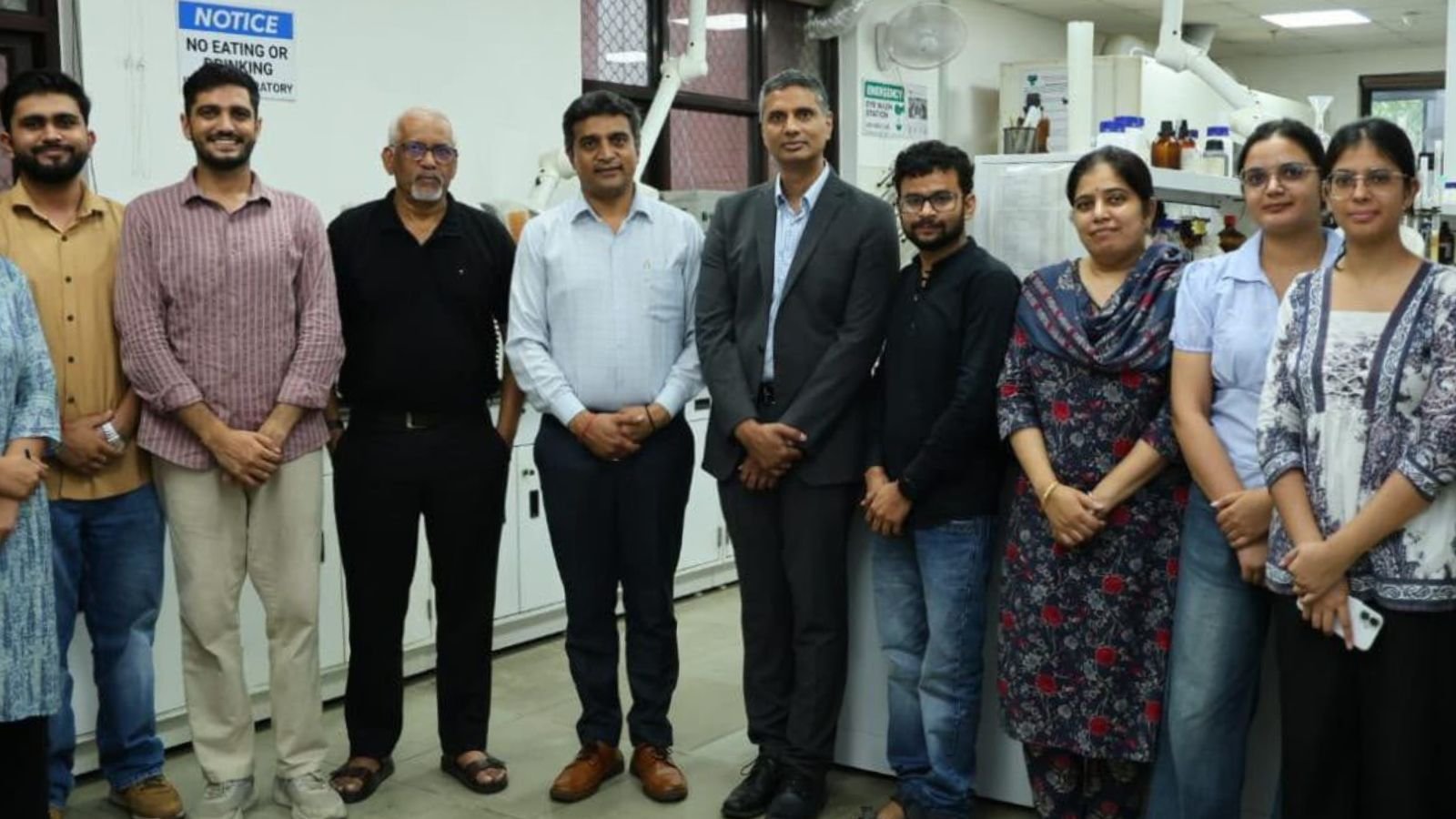
The proposed collaboration involves the Department of Chemistry and the H.G. Khorana Centre for Chemical Biology at Hansraj College, led by Prof. Brijesh Rathi, and researchers associated with the University of Chicago’s radiopharmaceutical research. Prof. Satish Chitneni, research faculty and Faculty Director of the Cyclotron Facility at the University of Chicago, visited Hansraj College to discuss potential areas of joint research.

The proposed work will focus on the development of PET tracers that can be used to map biochemical pathways. Such tracers have applications in molecular imaging and can support the diagnosis and treatment of diseases, including cancer.
Radiopharmaceutical chemistry involves developing molecules that can be linked with radioactive isotopes and used as drug-like agents for disease diagnosis and therapy. The field brings together chemistry, nuclear medicine, pharmacology, biochemistry, medical physics and other disciplines.
During his visit, Chitneni interacted with students and faculty members and attended research presentations by students at Hansraj College. He said the research presented during the visit included areas of chemistry that were new to him and noted the importance of innovative chemistry in radiopharmaceutical development.
He said radiopharmaceutical development relies on chemistry that can introduce radioactive isotopes into molecules quickly, given the short time available in many applications. According to him, the field is currently emerging as a specialised area within therapeutics and pharmaceuticals, with pharmaceutical companies increasingly working on radiopharmaceuticals, particularly for cancer treatment.
The development of therapeutic radiopharmaceuticals is also closely linked to medical imaging. Imaging can help identify suitable patients before therapeutic radiopharmaceuticals are administered, making the development of both diagnostic and therapeutic applications an important area of research.
Story continues below this ad
Chitneni described radiopharmaceutical chemistry as a multidisciplinary field involving chemists, pharmacists, pharmacologists, biochemists, medical physicists and nuclear medicine physicians. He also encouraged students interested in the area to consider it as an emerging research and career field.
“I am very pleased by the research going on here,” Chitneni said, adding that he looked forward to continuing his affiliation and collaboration with the institution and returning in the future.
The collaboration was facilitated by Prof. Anil Kumar Mishra of IIT Roorkee, whose efforts helped connect the research teams. The visit and discussions are expected to provide a basis for further academic and research engagement between Hansraj College and the University of Chicago in radiopharmaceutical chemistry and related areas.