

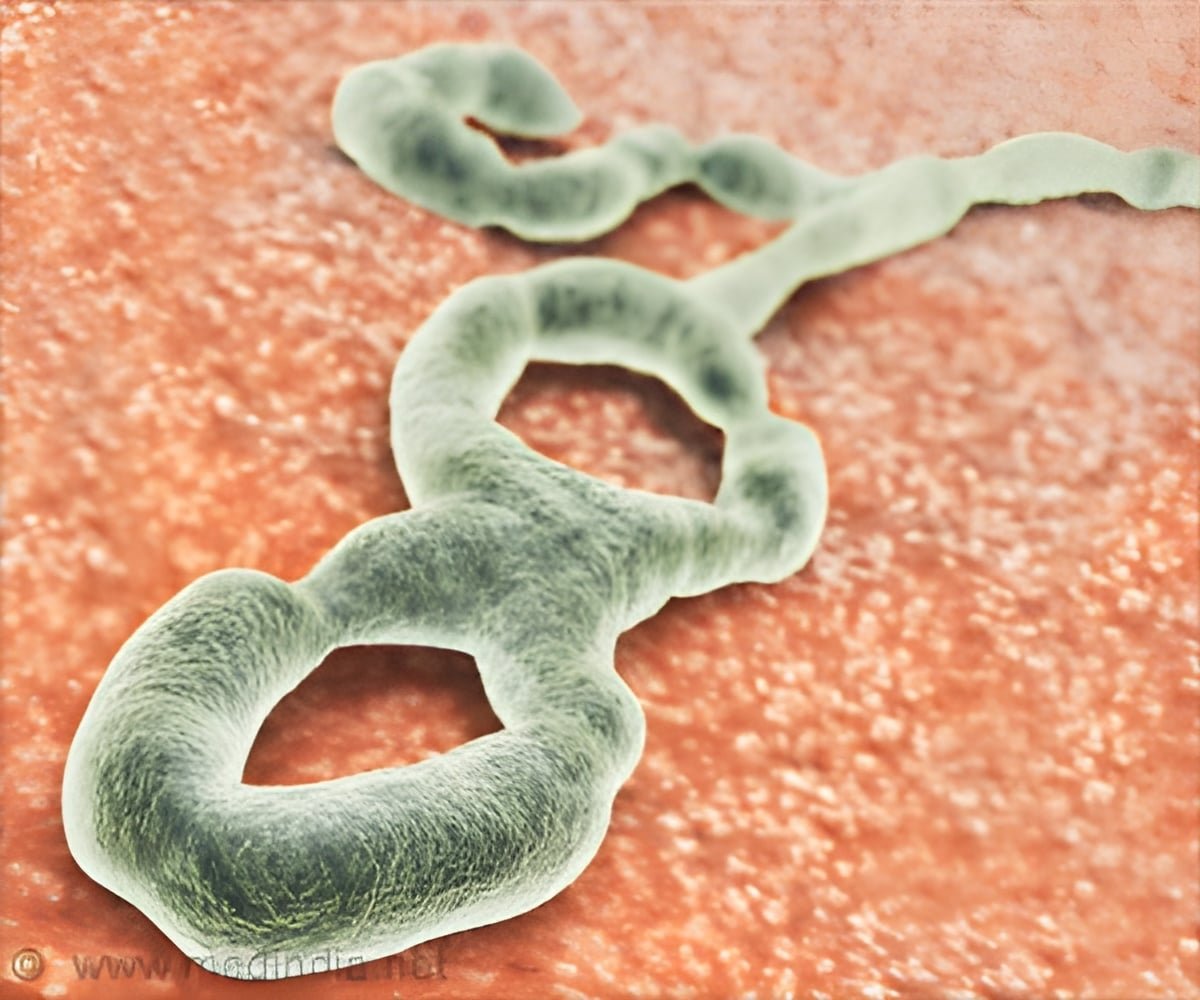
The Ebola epidemic in DR Congo has reached a historic milestone, as health officials race to contain the virus amid insecurity and resource shortages.
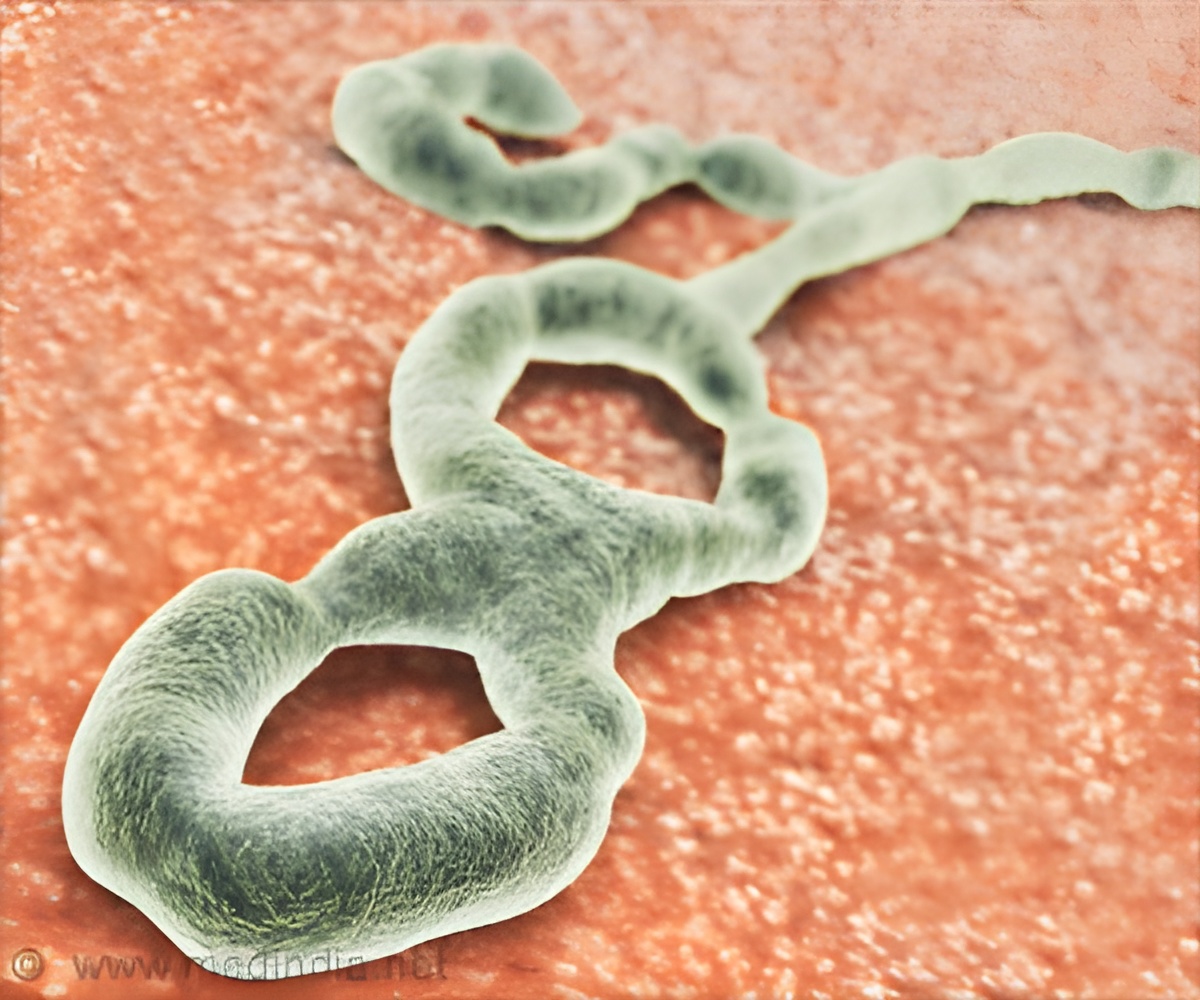
The Democratic Republic of Congo (DRC) is facing its worst Ebola crisis in years, with the country’s latest outbreak now becoming the second-largest Ebola epidemic ever recorded globally, surpassed only by the devastating 2014–2016 West Africa outbreak. Health officials warn that the virus continues to spread rapidly in a region already struggling with armed conflict, displacement, and severe shortages of healthcare resources. ()
Advertisement
Bundibugyo Strain Poses New Challenges
According to the latest figures released by Congolese authorities, the outbreak has infected more than 3,500 people, while over 1,500 people have died. The epidemic has already exceeded the country’s deadly 2018–2020 Ebola outbreak, which previously stood as the nation’s largest.
Unlike previous Ebola emergencies, the current epidemic is caused by the Bundibugyo strain of the virus. Although it is less well-known than the Zaire strain, it presents a major challenge because there is currently no approved vaccine or specific treatment available. Researchers have begun testing experimental vaccines, but these remain in clinical trials and are not yet widely available.
Health experts say the outbreak has been spreading faster than many earlier Ebola epidemics. The World Health Organization (WHO) has warned that the actual number of infections could be significantly higher than official figures because insecurity and limited surveillance make it difficult to detect every case.
Containing the virus has proven especially difficult because the outbreak is centered in eastern Congo, where armed conflict has displaced thousands of people and disrupted healthcare services.
Advertisement
Conflict and Funding Gaps Hamper Ebola Response
Medical teams often struggle to reach affected communities due to insecurity. Contact tracing—one of the most important tools for stopping Ebola transmission—has also become difficult as families move frequently and some communities remain wary of health authorities. In several areas, treatment centers have even been attacked or set on fire during earlier phases of the outbreak, reflecting long-standing mistrust fueled by years of conflict.
The WHO says these conditions have allowed the virus to spread across multiple provinces, making containment far more challenging than in previous outbreaks.
Health agencies say the response is also being hampered by a lack of funding. The Africa Centres for Disease Control and Prevention estimates that about $1.4 billion is needed to fully contain the epidemic, but available funding remains well below that target. Aid organizations have also warned that staffing shortages and reduced international assistance are limiting surveillance, laboratory testing, patient care, and community outreach.
Although the outbreak is concentrated in the DRC, neighboring countries continue to monitor the situation closely because of frequent cross-border travel.
Advertisement
Regional Surveillance Intensifies as Ebola Threat Persists
Uganda, which recently experienced imported Ebola cases linked to the DRC, officially declared its own outbreak over after completing the WHO’s recommended 42-day monitoring period without any new infections. Health officials there continue enhanced surveillance along the border to prevent fresh transmission.
The WHO currently considers the regional risk to be very high, while assessing the wider international risk as lower because of ongoing surveillance and travel monitoring. However, experts warn that continued transmission inside the DRC increases the possibility of further cross-border spread if the outbreak is not brought under control soon.
International health agencies are expanding laboratory capacity, treatment centers, disease surveillance, and vaccine research in an effort to slow transmission. Researchers are hopeful that experimental vaccines targeting the Bundibugyo strain will provide new tools for future outbreaks, but for now, rapid diagnosis, isolation of patients, contact tracing, and community engagement remain the primary defenses against Ebola.
References:
- Ebola, The Democratic Republic of the Congo – (https://www.who.int/emergencies/situations/ebola-outbreak—drc-2026)
Source-Medindia