

What did BBC star Bill Buckley reveal about his prostate cancer diagnosis and treatment journey?

Bill Buckley, the veteran BBC broadcaster who first joined the corporation in the 1980s and became a familiar face alongside Esther Rantzen on the classic consumer show That’s Life, has revealed he was treated for prostate cancer after the disease was picked up almost by accident during an unrelated hospital visit.
Buckley’s diagnosis journey began not in a doctor’s office but in A&E, where he’d gone in with leg pain. Doctors quickly found something far more serious than they expected: one of the largest deep vein thromboses medical staff treating him said they’d ever seen. He was put on blood thinners and, for a moment, thought his health scare was over.
Advertisement
What Is Prostate Cancer?
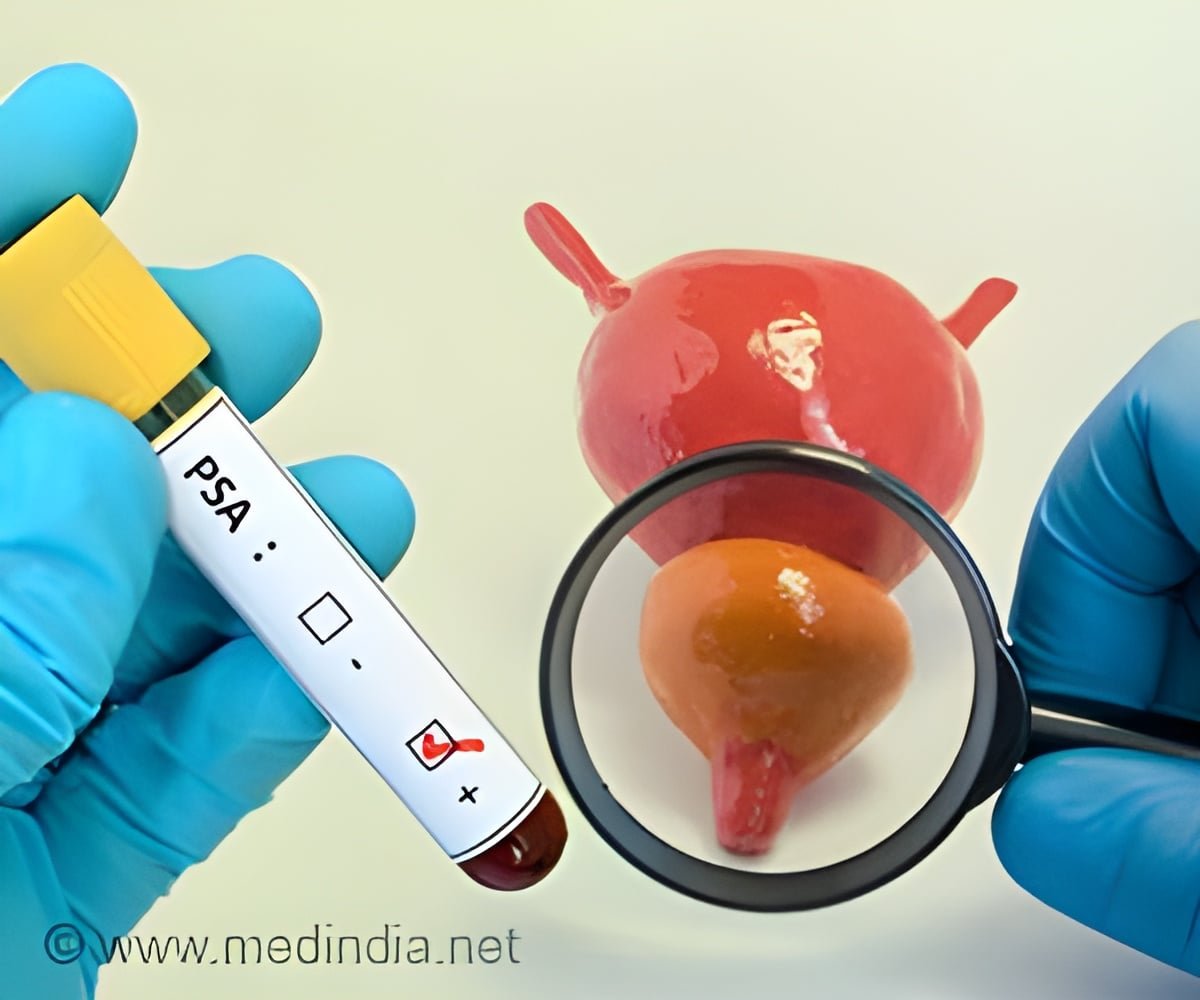
The prostate is a small, walnut-sized gland found only in men, sitting just below the bladder and playing a key role in producing seminal fluid. Prostate cancer develops when cells in this gland begin growing abnormally, and it’s slow-growing — many men live with it for years without ever knowing, which is why regular screening, as Bill Buckley emphasized, matters so much.
In the UK, it’s now the most common cancer overall, with NHS figures showing diagnoses jumping from just under 52,000 in 2021 to more than 64,000 in 2022, a 24 percent rise, and cases up 42 percent over the last decade. Age is the biggest risk factor, with almost one in five UK cases diagnosed in men aged 75 to 79, and Black men facing a significantly higher risk, with one in four expected to develop the disease in their lifetime.
Advertisement
How Common Is Prostate Cancer in the US, and What Did Bill Buckley Learn From His Diagnosis?
The picture is similar across the Atlantic: the American Cancer Society estimates around 333,830 new prostate cancer cases and roughly 36,320 deaths in the US in 2026, () making it the most commonly diagnosed cancer in American men, at nearly one-third of all male cancer diagnoses.
About one in eight American men will be diagnosed with prostate cancer in their lifetime, though the outlook is generally good — more than 3.5 million men in the US who’ve been diagnosed at some point are still alive today, and the death rate has fallen by roughly half since 1993, largely thanks to earlier detection and better treatment.
Then, as he was getting ready to head home, a nurse mentioned something in passing that changed everything — he had prostate cancer. According to Buckley, she assumed he already knew, since the finding had shown up in his test results. It hadn’t been explained to him yet, and the news landed as a total shock.
Buckley has been candid about how little he understood about the disease at the time, noting that most men who have prostate cancer end up dying with it rather than because of it, since it can sit dormant for years without symptoms. That’s precisely what makes routine screening so important, he says, because in his case, doctors were able to keep an eye on it before it became urgent.
Advertisement
What Treatment Did Bill Buckley Receive, and Why Is He Urging Men to Get Checked?
Over the following months, Buckley had regular monitoring appointments, and the tumor was tracked as it grew. Eventually, doctors decided it was time to act. He underwent a procedure called HIFU (High-Intensity Focused Ultrasound) at Wexham Park Hospital in Slough, as part of a clinical trial — treatment he says he feels genuinely fortunate to have had access to, given how few patients have gone through it so far.
Buckley was also grateful for the timing, reflecting that a diagnosis like his even just a few years earlier would likely have meant a much rougher recovery, with weeks or months of feeling unwell.
The broadcaster’s central message throughout has been simple and direct: keep going for regular checks. It’s advice he says can’t be repeated enough, given how easily his own cancer could have gone unnoticed for far longer.
Buckley’s decades-long BBC career, including his work on That’s Life in the 1980s, made him a household name to a generation of viewers, and his openness about his diagnosis adds his voice to a growing list of high-profile figures speaking out about prostate cancer awareness and the value of early detection.
References:
- Key Statistics for Prostate Cancer – (https://www.cancer.org/cancer/types/prostate-cancer/about/key-statistics.html)
Source-Medindia