

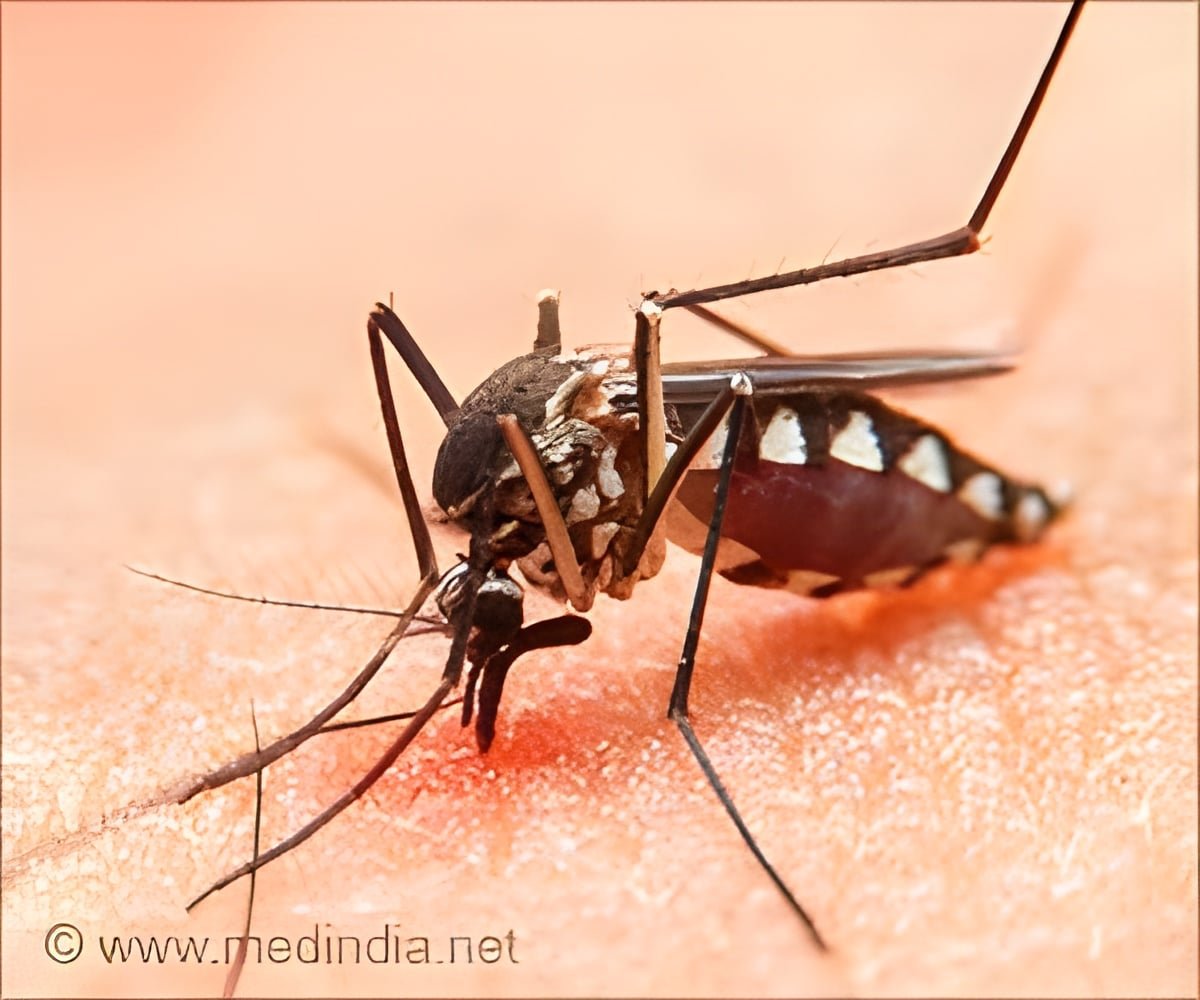
People with type 2 diabetes may face a higher risk of severe dengue complications, including dengue hemorrhagic fever and shock syndrome. Learn how diabetes influences dengue severity and why experts recommend integrating infectious disease prevention into diabetes care.
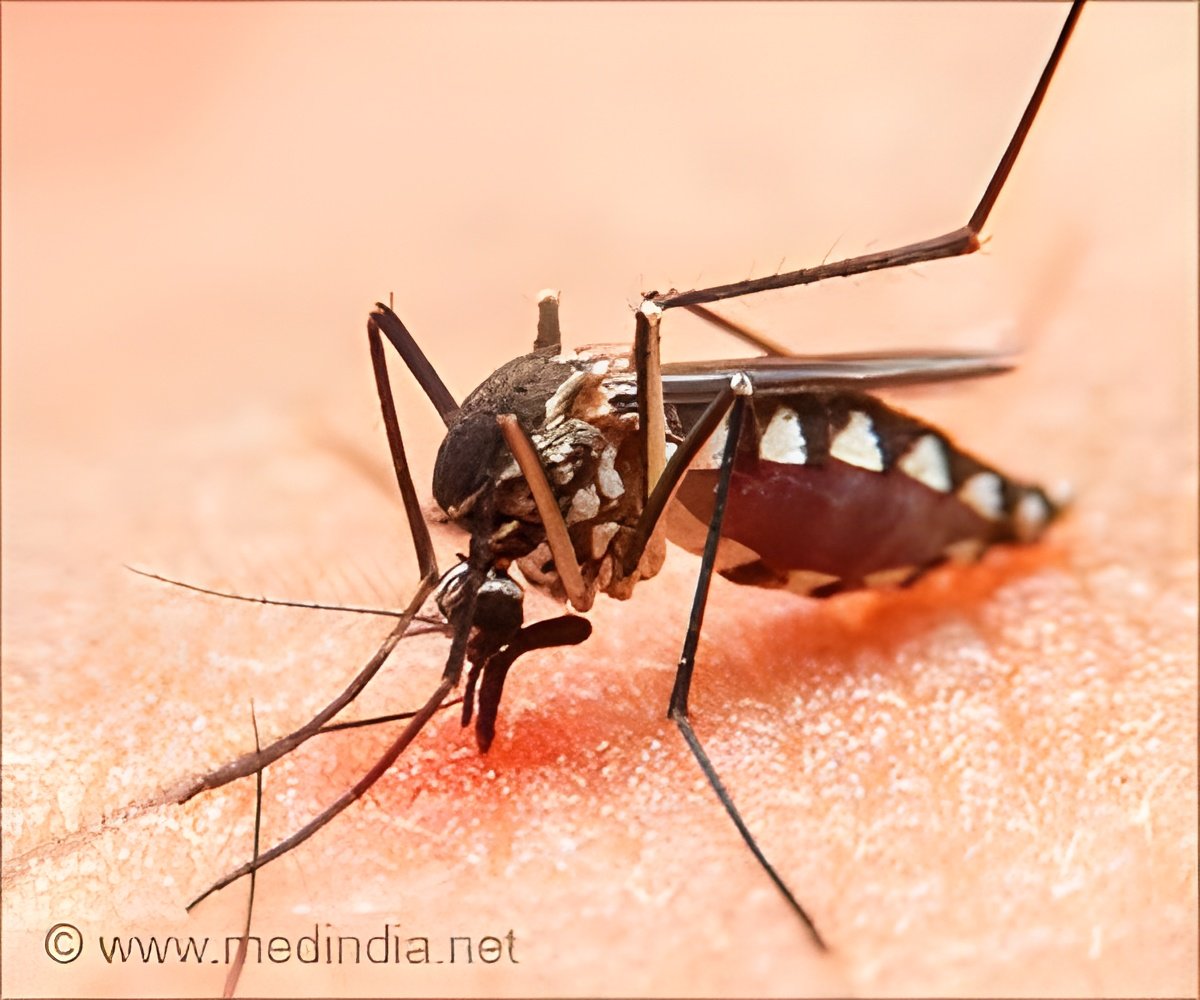
- A review suggests people with type 2 diabetes are more likely to develop severe dengue complications
- High blood sugar may impair immunity and increase the risk of excessive inflammation during dengue infection
- Experts recommend considering dengue vaccination for eligible people with diabetes in dengue-endemic regions
Dengue fever affects millions of people every year, but not everyone develops severe disease (1✔ ✔Trusted Source
Diabetes as risk factor to severity of dengue in naive patients
).
According to a new review by diabetes and infectious disease experts, people living with type 2 diabetes are more likely to experience serious complications, including dengue hemorrhagic fever and dengue shock syndrome.
The authors suggest that diabetes should be recognized as an important risk factor when planning dengue prevention strategies.
Advertisement
How Can High Blood Sugar Worsen Dengue Infection?
Researchers explain that persistently elevated blood sugar can affect several parts of the immune system. Poorly controlled diabetes may:
- Reduce the body’s ability to fight infections
- Damage blood vessels
- Promote chronic inflammation
- Increase the likelihood of an exaggerated immune response, sometimes called a cytokine storm
During dengue infection, this excessive inflammatory response may contribute to:
- Dengue hemorrhagic fever
- Internal bleeding
- Plasma leakage
- Dengue shock syndrome
Advertisement
Why Diabetes May Increase Severe Dengue Risk
| Diabetes-Related Change | Possible Effect During Dengue |
|---|---|
| High blood sugar | Impaired immune response. |
| Blood vessel damage | Greater risk of vascular leakage. |
| Chronic inflammation | Stronger inflammatory response. |
| Cytokine storm | Increased risk of severe dengue complications. |
Advertisement
Should Dengue Vaccination Become Part of Diabetes Care?
One of the most important recommendations from the review is to consider integrating dengue vaccination into routine diabetes management, particularly in regions where dengue is common.
The authors argue that preventing infection in high-risk individuals could reduce:
- Severe illness
- Hospitalization
- Complications
- Healthcare burden during outbreaks
However, they do not recommend universal vaccination for everyone with diabetes. Vaccination policies should continue to follow national guidelines, vaccine eligibility criteria, and individual clinical assessment.
Why Managing Chronic Diseases and Infectious Diseases Together Makes Sense
Traditionally, diabetes care has focused on controlling blood sugar and preventing complications such as heart disease, kidney disease, and nerve damage.
The review proposes a broader approach by integrating infectious disease prevention into routine diabetes care.
This could include:
- Vaccination where appropriate
- Patient education during dengue season
- Early recognition of warning signs
- Prompt medical evaluation during fever
Such an approach may improve outcomes in countries where dengue is endemic.
Which Symptoms Need Immediate Medical Attention?
People with diabetes who develop dengue should seek urgent medical care if they experience:
- Persistent vomiting
- Severe abdominal pain
- Bleeding from the gums or nose
- Blood in vomit or stools
- Extreme weakness
- Difficulty breathing
- Dizziness or fainting
- Reduced urine output
These may indicate progression to severe dengue.
What This Means for You
People living with type 2 diabetes already face a higher risk of several long-term health complications. This review suggests they may also be more vulnerable to severe dengue, reinforcing the importance of preventing mosquito bites, maintaining good blood sugar control, and seeking early medical care if fever develops during dengue season.
The authors also propose that dengue vaccination should be considered as part of comprehensive diabetes care in endemic regions. However, because this is a review paper rather than a new clinical trial, and because dengue vaccines have specific eligibility criteria, further research and public health guidance will be needed before such an approach becomes routine.
Frequently Asked Questions
Q: Does diabetes increase the risk of severe dengue?
A: Evidence summarized in this review suggests that people with type 2 diabetes are more likely to develop severe dengue complications than those without diabetes.
Q: Why does diabetes make dengue more severe?
A: High blood sugar can impair immune function, damage blood vessels, and promote excessive inflammation, which may contribute to severe dengue.
Q: Should everyone with diabetes get a dengue vaccine?
A: Not necessarily. Dengue vaccination should follow national guidelines and individual eligibility criteria because current vaccines are not recommended for everyone.
Q: Can good blood sugar control reduce dengue complications?
A: Although this review did not directly study blood sugar control, maintaining good glucose control supports overall immune health and is generally recommended during infections.
Q: What should people with diabetes do during dengue season?
A: Prevent mosquito bites, control blood sugar, stay hydrated, and seek prompt medical attention if fever or dengue warning signs develop.
Reference:
- Diabetes as risk factor to severity of dengue in naïve patients – (https://pmc.ncbi.nlm.nih.gov/articles/PMC11092716/)
- Diabetes mellitus as a prognostic factor for dengue severity: Retrospective study from Hospital for Tropical Diseases, Bangkok – (https://www.sciencedirect.com/science/article/pii/S2590170220300157)
Source-Medindia