

A DCC is applicable when a customer chooses to use the card to pay in rupees for an overseas purchase, allowing the offshore merchant instead of the card-issuing lender to handle the conversion mechanism.
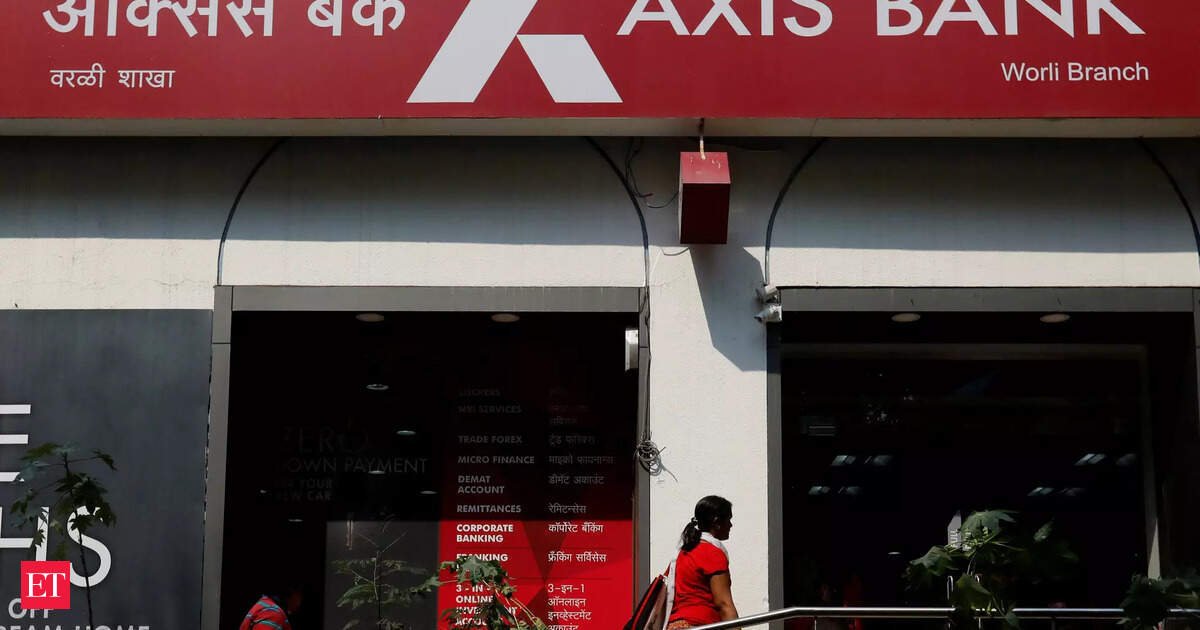
Axis Bank will increase the DCC fee on its credit cards to 3.5% from 1.5%, effective August 28, 2026, according to the bank’s revised terms and conditions. Kotak Mahindra Bank will raise the fee on debit-card transactions to 3.5% plus goods and services tax (GST), from 1% plus GST, effective August 1.
Axis Bank will raise the DCC markup on MyZone, Select, Privilege and Neo credit cards to 3.5% from 1.5%, effective August 28, 2026. The charge on Magnus and Magnus for Burgundy cards will increase to 2% from 1.5%, while Olympus cardholders will be charged 1.8%.
Also Read: Inflows through special window to ease banks’ liquidity pressure

Kotak Mahindra Bank will increase the DCC fee on debit-card transactions to 3.5% plus goods and services tax from 1% plus GST, effective August 1. ICICI Bank had increased the charge on all its debit cards to 3.5% plus GST from 1% on June 21.

The banks have not publicly specified the reasons for the revisions. However, the increases bring DCC charges closer to the foreign-currency markup of around 3.5% levied on most standard cards.
“The revisions could help issuers recover card-network and cross-border processing costs and generate higher fee income from the growing volume of overseas travel, international e-commerce and payments to overseas-registered digital merchants,” an official in the know said.
Also Read: Patchy rains may hit rural lending, banks stay cautious
Experts said that when customers opt for DCC, the transaction is processed in Indian rupees and the issuer may not earn the conventional forex markup applicable when payment is made in the merchant’s local currency. A higher DCC charge creates broadly similar economics under either payment option and removes the pricing advantage previously available through rupee billing.
The charge is distinct from the foreign-currency markup applied when customers pay in the merchant’s local currency. Under DCC, the exchange rate is usually determined by the merchant or its payment processor. The issuing bank’s DCC fee and GST may be levied over and above this rate.